
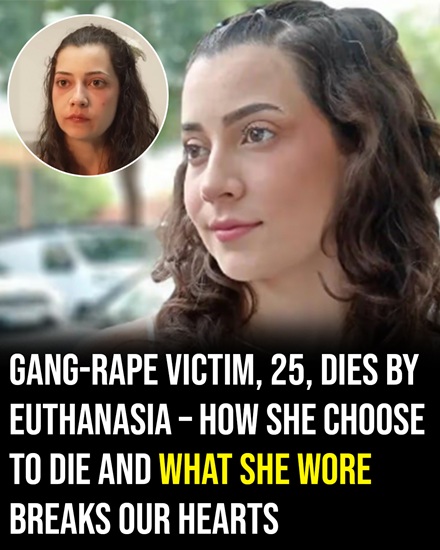
Noelia Castillo Ramos, a 25‑year‑old woman from Barcelona, died by voluntary euthanasia on March 26, 2026, after a prolonged legal battle and years of suffering from chronic pain and psychological trauma.
Her case drew widespread attention in Spain and internationally because she was one of the youngest people in the country to request and receive assisted death under Spanish law.
Born on November 14, 2000, Noelia grew up in challenging circumstances and entered the Spanish social care system as a teenager after her parents lost their home.
She was diagnosed with obsessive‑compulsive disorder and borderline personality disorder during adolescence, conditions that affected her emotional stability for many years.
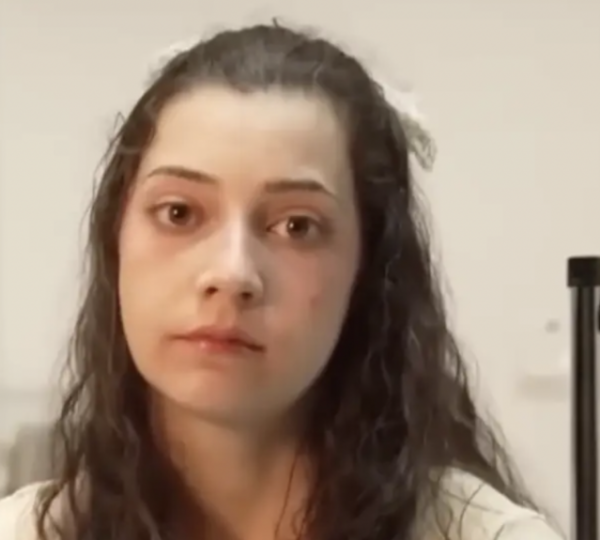
Noelia also described having experienced sexual assaults on more than one occasion, including by an ex‑partner and later by multiple men in social settings, although she did not report those incidents legally.
In October 2022, shortly after one of these attacks, Noelia attempted to take her own life by jumping from a fifth‑floor building, an event that left her permanently paraplegic with chronic, irreversible physical pain.
The fall caused significant spinal cord damage, leading to intense and ongoing physical suffering as well as emotional distress that she described as debilitating and unrelenting.
Following this life‑altering injury, Noelia sought meaning and relief from continuous pain and psychological anguish, feeling that her quality of life had been gravely diminished.
In April 2024, she formally applied for euthanasia under Spain’s Organic Law Regulating Euthanasia (LORE), which allows assisted death for adults with serious and irreversible suffering.
Under Spanish law, people seeking euthanasia must make multiple voluntary requests, demonstrate full legal capacity, and receive approval from independent medical and ethics committees.
Noelia’s application was initially approved by the Catalonia Commission for Guarantees and Evaluation, a body that reviews and certifies eligibility for euthanasia under strict legal standards.
However, the process was delayed by a lengthy legal battle after her father, supported by the group Abogados Cristianos (Christian Lawyers Association), filed multiple appeals to block her request.
Her father argued that her mental health conditions could affect her judgement and that society had a duty to protect her life rather than allow her to die.
Courts at multiple levels, including the High Court of Justice of Catalonia and the Supreme Court of Spain, repeatedly rejected these appeals and upheld her right to choose euthanasia.
The legal battle lasted 601 days, during which Noelia’s case became a national example of the complexities of euthanasia laws and debates about autonomy, vulnerability, and disability.
Her father also took his appeal to the Constitutional Court of Spain and, later, to the European Court of Human Rights, both of which declined to block her euthanasia.
Throughout this process, Noelia stated openly in interviews that her wish to die was based on her personal experience of suffering and that it was not meant to serve as an example for others.
In her final broadcast interview, she explained that she wanted her choice to be understood as deeply personal, not imposed on anyone else by her example.
Spain legalised euthanasia and medically assisted dying in 2021 for adults experiencing serious, chronic, and irreversible suffering that cannot be alleviated by other means.
Under that law, procedures can take place in hospitals or qualified care facilities, and patients must be determined to have full decision‑making capacity before they are permitted to proceed.
After the final appeal was dismissed, Noelia’s euthanasia was scheduled for the evening of March 26, 2026, at a care centre in Sant Pere de Ribes, in the province of Barcelona.

The protocol she received involved the administration of three intravenous drugs: the first two induced deep, irreversible sedation while the third caused respiratory arrest without pain.
Spanish authorities designed this combination to ensure that the individual does not experience suffering during the procedure, under regulations of the euthanasia law.
Noelia chose to be alone with her physician at the moment of death, a preference respected under Spanish protocols for euthanasia procedures.
Before the procedure, she invited her family members to say goodbye, as she wanted to manage her final moments on her own terms.
Her mother was allowed to remain with her before the procedure, even though she personally opposed euthanasia, and she described staying by Noelia’s side until the end.
Noelia’s decision and the family’s division over it highlighted deep emotional tensions and broader societal debates about autonomy and care in cases of severe suffering.
In Spain and globally, her case intensified discussion about how laws should balance the right to die with concerns about protecting vulnerable individuals with psychological distress.
Supporters of her choice argued that individuals facing chronic and unrelievable pain should have the legal right to choose a dignified end to suffering.
Critics have expressed concern that cases like Noelia’s could challenge safeguards intended to ensure that euthanasia is only applied when all other support and treatment options have been exhausted.
Religious leaders and social advocates also weighed in, some condemning the procedure as a failure to protect life, while others called for expanded mental health and social support systems.

In the Spanish Congress of Deputies, lawmakers from different parties engaged in debate over her case, reflecting political divisions and differing interpretations of dignity and autonomy.
Her story became emblematic of the complexities of euthanasia legislation, especially when psychological suffering and a history of trauma are part of the individual’s experience.
Many advocates stressed that euthanasia should be paired with robust mental health care systems, while others emphasised respect for individual choice when suffering cannot be relieved.
Academic experts also noted that the Spanish euthanasia framework includes multiple safeguards, including medical evaluations and repeated requests to prevent impulsive decisions.
Noelia’s case has entered legal and ethical discussions beyond Spain, informing debates about assisted dying laws and how societies understand suffering and autonomy.
In official records, she is listed among the more than a thousand people who have received legally sanctioned euthanasia in Spain since the law was enacted.
Her death on March 26, 2026 marked a pivotal moment for assisted dying policy, raising questions about how society balances individual rights with protection for those experiencing psychological and physical distress.
Although deeply controversial, her choice was upheld by Spain’s highest courts and key international tribunals, reflecting the legal framework currently in place.
Noelia’s life and death have become part of ongoing debates about dignity, suffering, autonomy, and the nature of compassionate care in modern legal systems.
Her experience underscores the complexities faced by individuals and families navigating the intersection of law, medicine, and deeply personal suffering.
Even as opinions differ widely, Noelia’s story has had a lasting impact on public dialogue about the right to die and the responsibilities of society toward those who suffer.
Her case remains a reference point in discussions about euthanasia, mental health support, and how legal frameworks can best protect autonomy while supporting vulnerable individuals.
