
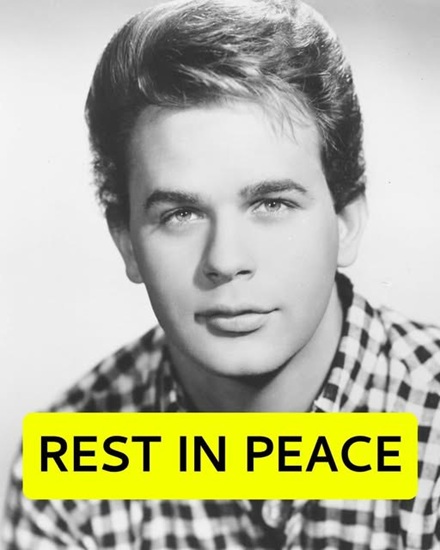
Lou Christie, born Lugee Alfred Sacco on February 19, 1943, in Glenwillard, Pennsylvania, became one of America’s most distinctive pop voices of the 1960s thanks to his emotional expressiveness and dramatic singing style.
Growing up in a working‑class Italian‑American family, Christie found early comfort and community through music, especially in church choirs, where he learned harmony, rhythm, and vocal discipline.
His first memorable moment performing came at a young age, when he stood before his schoolmates to sing “Away in a Manger,” an experience that awakened his understanding of the power of his own voice.
That early applause was more than encouragement; it showed him that a voice could reach beyond itself, shaping his belief that music could connect with audiences in deep and lasting ways.
In his teenage years, Christie began singing in local bands, absorbing the sounds of rhythm and blues, doo‑wop, and early rock ’n’ roll that shaped the pop music landscape of the 1950s and early 1960s.
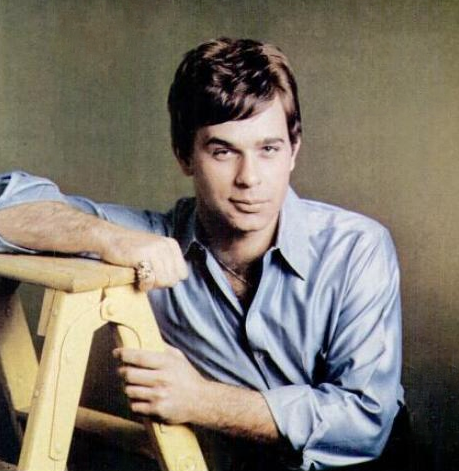
Unlike many of his contemporaries, he developed a distinctive use of falsetto, a high, expressive register that became one of his trademarks and set him apart from other singers of the era.
Christie’s early recordings were made without the backing of a major label, often in modest studios with limited resources, but his persistence helped him refine a unique style that drew attention.
During this period, he met songwriter Twyla Herbert — a creative partnership that would become one of the most important collaborations of his career and a major force behind his chart successes.
Herbert, known for her imaginative musical ideas and bold harmonic sensibilities, complemented Christie’s expressive voice, and together they crafted songs that combined melodic sophistication with emotional immediacy.
Their early work together included tracks like “The Gypsy Cried” and “Two Faces Have I,” songs that revealed a willingness to explore emotional nuance beyond mainstream pop conventions of the early 1960s.
“The Gypsy Cried” introduced Christie’s sound to a broader audience and hinted at the dramatic performances and vocal acrobatics that would come to define his career.
Despite their artistic ambition, early releases did not immediately translate into national hits, and Christie continued to hone his craft, pushing creative boundaries even when commercial success was uncertain.
His persistence paid off in 1966 with the release of “Lightnin’ Strikes,” a song that reached No. 1 on the U.S. Billboard Hot 100 and solidified Christie’s status as a major pop artist of his generation.
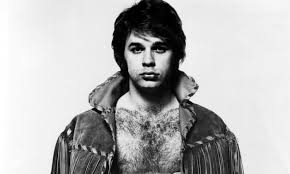
“Lightnin’ Strikes” showcased a bold blend of falsetto passages, dramatic dynamics, and emotional storytelling that resonated with wide audiences, proving that originality could coexist with commercial appeal.
Critics and fans alike praised the song for its adventurous structure and unforgettable vocal performance, characteristics that separated Christie from many of his peers in the crowded pop music field.
What distinguished Christie’s career was not only his commercial success but also his conviction that artistic risks were worth taking in an industry often driven by formulaic trends and conformity.
His willingness to embrace emotional intensity and unconventional vocal approaches helped expand the possibilities for mainstream pop music in the 1960s and inspired later artists to follow their own creative instincts.
Christie’s work with Herbert demonstrated the value of deep artistic collaboration, showing how a singer and songwriter could push each other toward new expressive horizons and shared creative vision.
Throughout the late 1960s, Christie continued releasing singles and albums, proving that his artistic identity was not limited to a single hit but capable of evolving with the shifting musical landscape.
Although the British Invasion and the rise of psychedelic rock shifted audience tastes, Christie’s work continued to attract fans who appreciated his dramatic, emotionally charged performances.
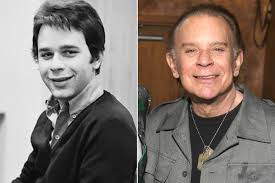
Many of his songs from this era remain staples of classic pop radio, and his influence can be heard in the work of later artists who admired his daring vocal style and emotional depth.
Christie’s career was marked by a balance between artistic integrity and popular resonance, a rare combination that ensured his music endured beyond the decade of its initial release.
His ability to infuse songs with theatrical flair without losing their melodic accessibility made him a role model for performers who wanted depth as well as crowd‑pleasing appeal.
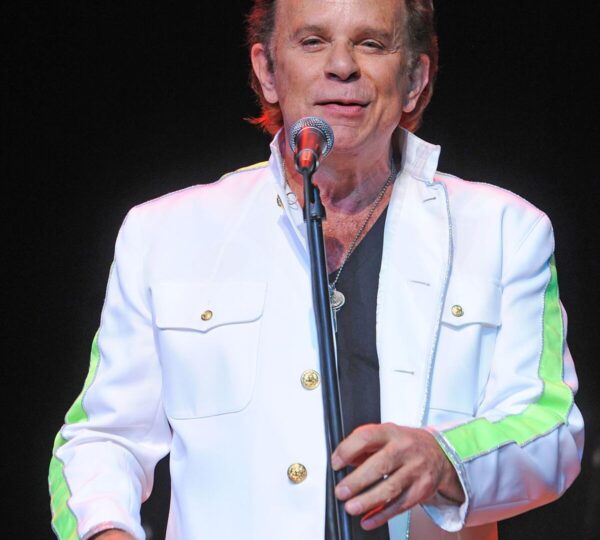
In addition to his commercial recordings, Christie’s live performances demonstrated his charismatic stage presence and ability to connect with audiences of all ages, keeping his shows compelling and emotionally engaging.
Throughout his career, he navigated the challenges of changing musical trends, embracing new sounds while staying true to the dramatic emotional core that defined his early successes.
Outside of his artistic achievements, Christie’s personal journey reflected both the struggle and fulfillment that come with pursuing a life in music, a path that demanded resilience and self‑belief.
Despite the pressures of fame and the changing tides of popular music, he continued to compose and perform, demonstrating a lifelong dedication to his craft and to the emotional power of song.
Music historians often cite Christie’s willingness to experiment with vocal styles and song structures as a defining feature of his contribution to American pop music during its most transformative era.
His approach challenged prevailing norms and helped prove that pop could be both deeply personal and broadly appealing, bridging the gap between commercial sensibilities and artistic ambition.
As radio evolved and new genres emerged, Christie adapted without compromising the distinctive voice that made him an icon, allowing his music to reach fans across generations.
Though many artists fade from public memory over time, Christie’s work—including “Lightnin’ Strikes,” “Rhapsody in the Rain,” and “Painter” —remains vital to understanding the emotional breadth of 1960s pop.
His songs demonstrated that pop music could express complex emotional landscapes, from yearning and heartbreak to resilience and hope, with nuance and strength.
In addition to his platinum hits, Christie recorded numerous album tracks that showcased his versatility and willingness to explore different musical textures and themes.
His career also included ventures into songwriting, production collaborations, and mentoring younger musicians, reflecting a commitment to supporting creative growth in others.
Christie’s artistic legacy is firmly rooted in a belief that music should move the listener, inviting them into narratives that resonate long after the final note fades.
His emotive style, distinctive pitch leaps, and expressive phrasing continue to influence singers who value vulnerability and dynamism in their performances.
Over the decades, Christie embraced reunions, retrospectives, and anniversary tours that celebrated his enduring contributions to pop music, keeping his flame alive among devoted audiences.
In interviews later in life, he reflected on his early experiences with humility, often recalling the young boy in Pennsylvania who first learned what it felt like to be heard.
That small moment of applause in a school hall served as a foundation for a lifetime in music, guiding him through years of creative exploration and public recognition.
Today, his recordings remain treasured by collectors and music lovers, celebrated for their blend of emotional sincerity, melodic strength, and adventurous spirit.
Christie’s life story is not only one of chart success but of artistic courage, showing that a voice forged outside conventional paths can leave an indelible mark on popular culture.
His influence endures in the work of modern composers and performers who draw inspiration from his fearless approach to melody and mood.
Fans and critics alike continue to revisit his catalog, discovering fresh emotional insights and celebrating a career that has stood the test of time.
Lou Christie’s contributions helped define an era of American pop music, and his songs remain living testaments to the creative possibilities of heartfelt, unguarded expression.
The arc of his career—from modest beginnings in Pennsylvania to national recognition and artistic influence—offers a powerful narrative of resilience, creativity, and enduring voice.
His legacy reminds us that music’s greatest power lies not just in its popularity, but in its ability to speak to the human heart across generations.
Today, listeners young and old continue to connect with Lou Christie’s music, keeping alive the emotional heritage of a uniquely expressive voice in pop history.
