
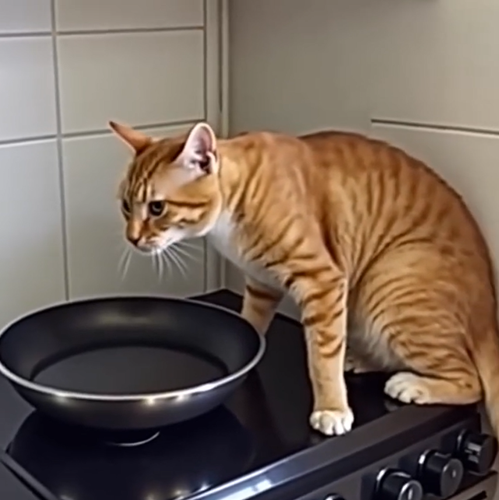
The cat kept screaming endlessly in the kitchen. At first, I thought it was just another one of his dramatic episodes—a sudden flare-up of feline theatrics that orange tabbies are so often prone to.
My sister had warned me: Milo was “a bit dramatic.” I’d taken that as a lighthearted note, assuming he would simply meow a bit for attention, perhaps demand extra snacks, and settle back down.
But that night, the noises he made were far beyond any ordinary cat behavior I had witnessed. It was an urgent, almost human-like wail, filled with desperation, anxiety, and something I couldn’t quite name.
The apartment, which had been quiet and orderly just hours earlier, now echoed with his cries. I had been expecting calm. My sister had left for a two-week vacation that morning, trusting me completely to look after Milo, her beloved orange tabby.
I had fed him breakfast, made sure his litter box was clean, and even brushed his fur—he was a pampered cat, accustomed to routine and comfort. I had no reason to think anything unusual would happen.

But by evening, a creeping sense of unease had started to form, not just because of Milo’s behavior, but also because I myself wasn’t feeling well.
I could feel it first in my head: a pounding pressure behind my eyes that wouldn’t let up. Then came the blocked nose, the chills running through my body, and a fatigue so intense that I could barely stand.
By nightfall, my temperature had spiked. I was feverish, shivering under layers of blankets, longing for nothing more than to collapse onto the bed and escape into sleep. Rest, I thought, was all I needed. But Milo had other plans.
The screaming started around the same time. Not a soft meow. Not a chirp that could be mistaken for hunger or annoyance.
This was a full-blown howl, piercing and unrelenting, bouncing off the walls of the small kitchen and filling the apartment with tension. Every time I tried to breathe or close my eyes, it cut through the haze of my fever like a warning siren.
“Milo… please,” I muttered, dragging myself out of bed, my body heavy and aching. I felt weak, my muscles trembling, but the urgency in his cries propelled me forward. I poured water into his dish, measured his food carefully, and even offered a few treats from the top shelf.
Milo approached cautiously, sniffing the bowl, his tail flicking with a subtle, tense rhythm. Then, as if nothing were wrong, he ate. His eyes were calm. His body relaxed. I exhaled, thinking the problem solved, and returned to bed, imagining the night might finally be peaceful.
But the moment my head hit the pillow, it began again—louder this time, more insistent, as though the earlier feeding had only stoked some hidden alarm inside him.
Groaning, I dragged myself out of bed again. My fever made every movement a monumental effort, my limbs stiff and heavy.

I checked the kitchen methodically: the water bowl was full, the food was freshly replenished, the litter box was clean, and yet Milo continued his wailing.
I tried to pet him, speak softly, even sit beside him, letting him brush against me. Nothing worked. Each attempt to calm him was met with the same desperate cries, each one cutting through the room and into my growing exhaustion.
I realized then that this was not drama. This was not a call for attention. Milo was communicating something urgent, something beyond what I had initially assumed.
Cats, I remembered, are masters of signaling distress long before symptoms are visible. Their behavior is often the first indication of illness, pain, or emotional trauma.
My own discomfort faded slightly as concern for Milo took over. I focused on observation: his posture, the tension in his tail, the rhythm of his meows.
His ears flicked constantly, alert to sounds I couldn’t hear. He paced, then froze, then returned to the same corner of the kitchen, as though following some invisible threat.
I tried every basic solution I knew. More water, more food, fresh litter, gentle coaxing, quiet conversation. I monitored the temperature of his food, ensuring it was at a pleasant warmth.
I even turned off the lights, hoping that dimness would soothe him. Still, the wailing persisted, punctuated now by small cries, plaintive and plaintive, each one layered with frustration and discomfort.
Milo wasn’t just seeking comfort; he was signaling that something was wrong, that his environment—or his own body—was off balance.
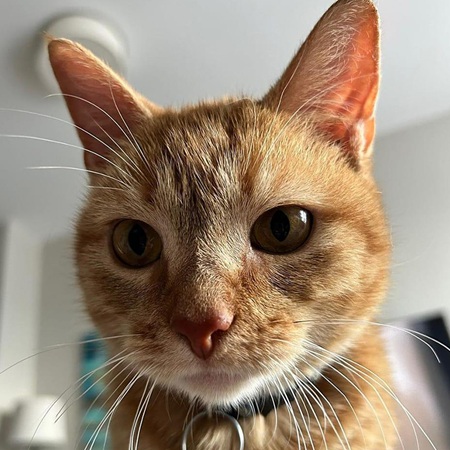
By midnight, exhaustion had overtaken me completely. My fever made my brain foggy, and I stumbled through the apartment, trying to keep a mental log of what had worked and what hadn’t.
It was in that haze that I realized I had to look beyond the obvious. Hunger, thirst, litter—they weren’t the problem. This was something deeper. Perhaps a sudden illness, perhaps stress, perhaps pain I couldn’t see.
My mind raced through possibilities: could Milo have eaten something harmful before my sister left? Could there be something lodged in his throat? Were there other environmental factors triggering him?
I remembered that cats are extremely sensitive to smells and sounds we might not notice. Even a subtle change in temperature, a new scent from a cleaning product, or a faint noise from neighboring apartments could trigger anxiety.
I walked slowly through the kitchen, sniffing the air, checking cupboards, monitoring for unusual drafts or mechanical sounds. Still, nothing overt. Milo’s cries were undiminished.
Then it struck me: perhaps it was something more urgent, like a sudden illness. Fever, lethargy, hiding—common signs I had learned from my sister and previous experience with pets.
I watched Milo carefully. He stopped eating mid-bite, lowering his head, breathing faster. His eyes darted around, more alert now, almost pleading. That’s when I knew: this was not a behavioral problem. This was a medical concern.
I made a decision: despite the late hour and my own misery, we would go to the vet. I wrapped him gently in a soft blanket, careful not to exacerbate his stress, and carried him to the carrier.

Milo, sensing the movement, relaxed slightly into my arms, but the wailing continued—a low, urgent plea that filled the apartment. It was an expression of fear, not anger.
At the veterinary clinic, the staff immediately noted his distress. Cats are masters of concealing pain, yet Milo’s behavior was unmistakable. He was examined thoroughly: ears, mouth, throat, temperature, pulse, abdomen, and general demeanor.
Tests revealed a mild gastrointestinal upset, likely caused by a sudden dietary shift or a minor infection. Nothing life-threatening, but enough to make him feel unwell and anxious, triggering the frantic vocalizations.
The vet explained that cats like Milo, particularly those with sensitive temperaments, can escalate their distress into prolonged vocalization when they feel unwell.
He recommended a few strategies: ensuring hydration, feeding easily digestible meals, maintaining a quiet and stable environment, and providing extra reassurance and gentle attention.
In short, Milo had been screaming because he was uncomfortable, and his attempts to communicate were his way of signaling a real need.
Returning home, I implemented everything the vet advised. I set up a warm, quiet space for him, with fresh water, soft blankets, and a small portion of gentle food.
I stayed with him, speaking in low, calm tones, letting him know he was safe and that his environment was predictable. Over the next several hours, his wails began to subside.
He paced less. He sniffed, explored, and eventually curled up near me, his tail slowly flicking in a rhythm of relaxation.
That night, I learned an essential lesson about animal care and empathy: cats, like humans, communicate their distress in ways that can seem puzzling at first.
A loud, persistent scream is not always a sign of manipulation or dramatics—it can be a desperate plea for help, a signal that something is amiss.
Observing, listening, and responding appropriately can mean the difference between prolonged suffering and timely relief. Milo’s dramatic outburst was not frivolous; it was precise, meaningful, and ultimately life-saving.
By morning, he was calmer, eating normally, and exploring with renewed curiosity. I realized that what had seemed like chaos the night before was actually a complex system of communication—one that required patience, attention, and quick action.
Milo’s behavior underscored the importance of recognizing subtle signs of distress in pets and responding with care and diligence.
Looking back, the screaming that had filled the kitchen that night was a turning point. It reminded me that caregiving, whether for humans or animals, is about understanding needs that may not be immediately visible, listening beyond the surface, and taking proactive steps to ensure comfort and health.
Milo wasn’t dramatic; he was vulnerable, and his voice demanded attention until it was met with understanding and appropriate care.
From that night on, I approached Milo’s care differently. I monitored his routines more closely, adjusted his diet according to vet recommendations, and paid careful attention to his signals.
I learned to differentiate between playful meows and urgent calls, to anticipate discomfort before it escalated, and to recognize the subtle ways a cat communicates.
Milo, in turn, began to trust my presence more, his vocalizations less frantic, his behaviors more predictable. The apartment returned to its usual quiet, punctuated only by normal, casual cat sounds.
The experience was exhausting, but it was also deeply instructive. Milo had forced me to reconsider assumptions about animal behavior, to respect their methods of communication, and to understand that what might initially seem like exaggeration can often signal something very real.
That night, in the middle of my own discomfort, I realized the depth of empathy required to care for another living being. Milo’s screaming, once a source of frustration, became a lesson in vigilance, patience, and compassion.
