

Suicide is always heartbreaking. But when it involves a 12-year-old child — a life just beginning, a future only starting to take shape — the pain feels almost impossible to comprehend.
It is a loss that shakes families, schools, and entire communities to their core. It forces difficult conversations, raises urgent questions, and reminds us how deeply children can struggle even when they appear strong on the outside.
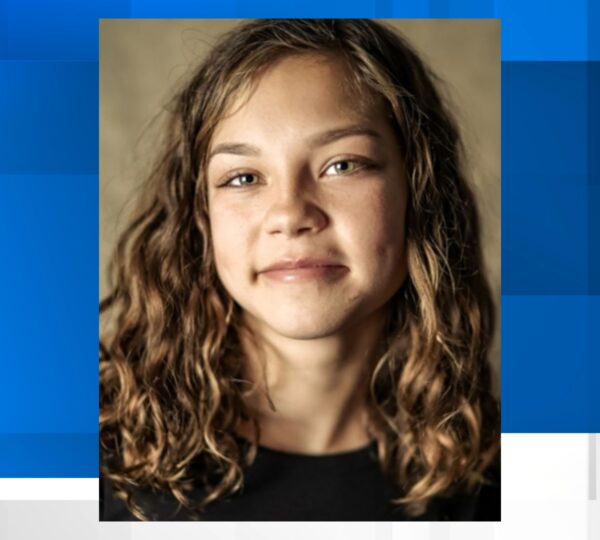
On February 17, 2026, 12-year-old Lindsey Mae Swan of Huntsville, Alabama, died by suicide. Her passing has left her family and community devastated.
In the midst of their grief, her loved ones have chosen to share her story publicly, not for attention, but in the hope that it may prevent another family from enduring the same heartbreak.

Lindsey was known affectionately as “Sweet Pea” and “Stitch” by those closest to her — nicknames that reflected both her gentle spirit and her playful personality. Her family describes her as vibrant, intelligent, and deeply compassionate.
She was the kind of child who noticed when others were hurting and made it her mission to stand beside them.
“She stuck up for others that were afraid to speak up for themselves,” her mother, Brittany Booth, told local news outlet WAFF.
“She dared anyone to push around her friends or her siblings.” Lindsey was not only protective but brave — especially when it came to defending others.
A student at Mountain Gap Middle School in Huntsville, Lindsey was actively involved in a wide range of school and extracurricular activities.
She was a member of her school choir and participated in the Girls Engaged in Math and Science (GEMS) Team, reflecting both her creative and analytical talents.
She also pursued her love for performing arts and was rehearsing for a role in a children’s production of The Lion King with Around The Curtain children’s theater at the time of her passing.
Her interests stretched far beyond academics and theater. Lindsey loved volleyball, gymnastics, and dancing. She enjoyed hiking outdoors and visiting the beach.
She cared deeply for animals and often found comfort in their companionship. To those who knew her, she seemed full of life, energy, and potential.

But beneath the surface, Lindsey was carrying burdens that were not always visible.
Four years earlier, she had experienced the profound loss of her father, Joseph Laughery. His death deeply affected her.
According to her mother, that loss left a lasting emotional impact that Lindsey struggled to process. Grief in children can be complex and long-lasting, sometimes resurfacing in ways that are difficult for adults to fully see or understand.
In addition to personal grief, Lindsey also faced bullying at school. Her mother shared that some students mocked her and cruelly weaponized the fact that her father had passed away.
For a young girl already navigating the challenges of adolescence and loss, such treatment compounded her pain.
Bullying, particularly when it targets deeply personal trauma, can have serious emotional consequences. Research consistently shows that children who experience bullying are at increased risk for depression, anxiety, and suicidal thoughts.
For Lindsey, the combination of grief and peer mistreatment created a weight that may have felt overwhelming.
Yet even while carrying her own struggles, Lindsey continued to care for others. Her mother described how Lindsey would sense when she was feeling stressed or sad and offer comfort.
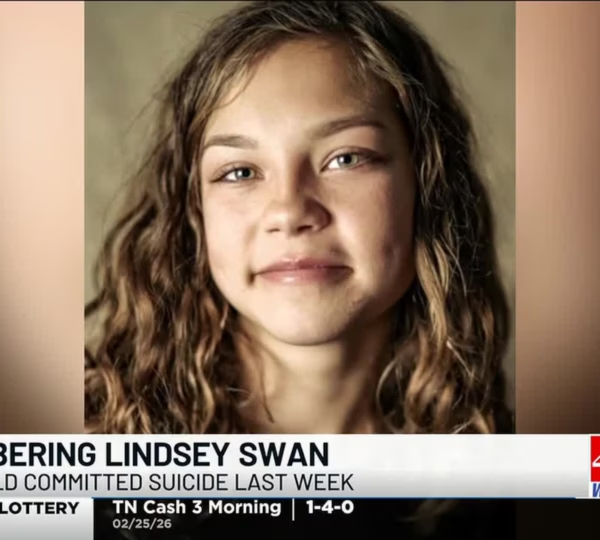
“I was smiling through my stress and sorrows,” Brittany said, “but she knew when I was feeling down and would be my biggest comfort.” That dynamic — a child offering emotional support to adults — reflects both Lindsey’s empathy and the hidden strength she tried to maintain.
Tragically, in the months leading up to her death, Lindsey had confided in friends about what she was planning.
According to her mother, if those conversations had reached an adult sooner, the outcome might have been different. “If they would have told somebody, it very well could have saved her life,” Brittany said.
One of the most haunting aspects of Lindsey’s story is her final journal entry. In it, she wrote words that her family now shares publicly as a plea to others:
“It’s too late for me. Please talk to someone even if they act or look OK. They might make it because of you.”
Those words underscore a critical truth about mental health: people who are struggling do not always show obvious signs. A child can be involved in activities, achieve academically, smile in public, and still feel intense internal pain.
Lindsey’s stepfather, Jason Booth, has also spoken openly about the need for conversation and awareness. He emphasized that stigma often prevents people from speaking honestly about suicidal thoughts or emotional distress.
“There’s so much shame associated with it that people are afraid to come forward and be open about it,” he said.
“It may seem young, but we absolutely need to be having these conversations. If you see something, say something.”
Their message aligns with guidance from mental health experts nationwide: open, compassionate conversations about suicide do not increase risk.
In fact, they can reduce it. When children feel safe discussing their feelings without fear of punishment or dismissal, they are more likely to seek help.
Lindsey’s death has also drawn attention to broader statistics about youth mental health.
According to data referenced by her family, Alabama ranks 8th in the United States for teen suicide rates. Nearly 1 in 12 high school students in the state report having attempted suicide.
These numbers reflect a serious public health concern that extends beyond one family or one community.
Nationally, the challenge is equally sobering. According to the National Alliance on Mental Illness (NAMI), approximately 2.6 million teens experienced serious suicidal thoughts in 2024.
Suicide remains one of the leading causes of death in the United States. Data from the Centers for Disease Control and Prevention (CDC) shows that more than 49,000 lives were lost to suicide in 2023 across all age groups.
Certain groups face even higher risk. LGBTQ youth, for example, experience disproportionately elevated rates of suicidal thoughts and attempts due to factors such as discrimination, rejection, and lack of support.
Experts stress the importance of inclusive, affirming environments both at school and at home.
Lindsey’s story illustrates how multiple risk factors can intersect: personal loss, bullying, adolescence, and unspoken emotional pain. None of these factors alone fully explain a tragedy like this.
Suicide is complex and rarely caused by a single issue. It is often the result of overwhelming distress combined with a moment of crisis.
Her family has taken steps not only to share her message but also to seek support during this difficult time. A GoFundMe campaign was created to help cover expenses and provide assistance as they navigate their grief.
Community members in Huntsville have expressed solidarity through memorials, prayers, and messages of support.
The ripple effects of a child’s death by suicide are profound. Parents are left asking what signs they may have missed. Siblings struggle with confusion and sorrow.
Friends grapple with guilt and unanswered questions. Teachers and classmates confront the reality that someone who sat beside them in class is suddenly gone.
Mental health professionals emphasize several warning signs that parents, educators, and peers should watch for in children and teens. These may include:
• Talking about wanting to die or expressing feelings of hopelessness
• Withdrawing from friends and activities
• Significant mood changes
• Changes in sleeping or eating patterns
• Giving away possessions
• Saying goodbye in unusual ways
• Increased agitation or risky behavior
However, it is equally important to understand that not every child who dies by suicide shows clear, recognizable signs. That reality makes open communication even more essential.
Experts recommend that adults ask direct, calm questions if they suspect a child may be struggling.
Asking, “Are you thinking about hurting yourself?” does not plant the idea — it opens a door for honesty. When children feel heard rather than judged, they are more likely to accept help.
Grief counseling, school-based mental health services, anti-bullying programs, and family therapy are all tools that communities can use to reduce risk and provide support.
In recent years, increased national attention has focused on youth mental health, especially following the social and emotional disruptions of the COVID-19 pandemic.
In the United States, help is available 24 hours a day through the 988 Suicide & Crisis Lifeline. Individuals can call or text 988 to connect with trained counselors who provide free and confidential support.
This resource is available for anyone experiencing emotional distress or for those concerned about a loved one.
Lindsey’s final message — urging others to speak up even if someone “acts or looks OK” — reflects a powerful truth. Mental health struggles are not always visible.
A child who appears strong may still feel deeply alone. A student who performs well academically may still battle silent pain. A friend who comforts others may not know how to ask for comfort themselves.
Her family’s decision to speak publicly demonstrates remarkable courage. Sharing such personal grief is never easy. Yet they believe that awareness can save lives.
By encouraging parents to check in with their children, by reminding friends to report concerning comments to trusted adults, and by challenging stigma, they hope Lindsey’s story will carry meaning beyond tragedy.
It is important to approach stories like this with care and respect. Suicide reporting guidelines from mental health organizations emphasize focusing on life, warning signs, and prevention resources rather than details of the method. Lindsey’s family has centered their message on awareness and action, not sensationalism.
Ultimately, Lindsey Mae Swan was more than statistics or headlines. She was a daughter, a sister, a friend, a student, a performer, and a defender of others.
She loved music, science, sports, and animals. She comforted her mother when she sensed sadness. She stood up for classmates who were afraid. She carried grief that many adults would struggle to bear.
Her life, though short, mattered deeply.
If there is one lesson her family hopes others will take, it is this: listen carefully. Ask questions. Take every comment about self-harm seriously.
Encourage open conversations at home and in schools. Teach children that asking for help is a sign of strength, not weakness.
No single action can erase the pain her family feels. But if even one child reaches out because of Lindsey’s story — if one friend tells a trusted adult, if one parent asks an extra question, if one school strengthens its support systems — then her final plea will not have been in vain.
If you or someone you know is struggling, help is available. In the United States, call or text 988 to reach the Suicide & Crisis Lifeline. Support is free, confidential, and available 24/7.
Lindsey’s story is heartbreaking. Yet within her final words is a message of hope: noticing the signs and speaking up can make all the difference.
