“Never Kiss a Baby!” A Mother’s Heartbreaking Warning After Her Child’s Eye Was Put at Risk
As parents, we often assume that small, seemingly harmless gestures—like a quick kiss—pose no real threat to our children’s health. Yet, one mother’s heartbreaking experience serves as a powerful reminder that even the most innocent actions can sometimes lead to serious and unexpected consequences. This mother’s story underscores the critical importance of vigilance, education, and caution in protecting the delicate health of our youngest and most vulnerable family members. How It All Started: A Simple Kiss Turns Into a Medical Emergency.
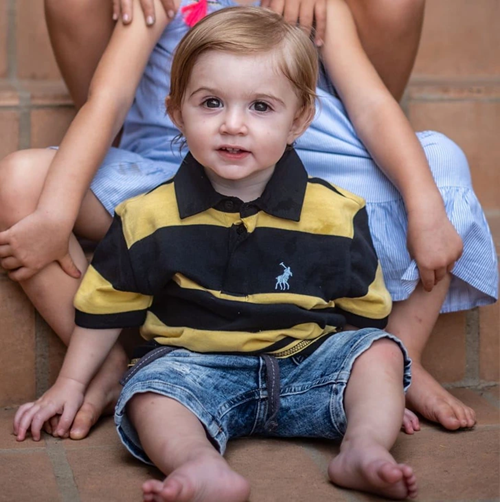
It all began innocently enough. The mother noticed her one-year-old toddler had developed a mild eye infection. Initially, the symptoms seemed typical: redness, slight discharge, and mild irritation. Following the advice of their family doctor, they started the child on antibiotic eye drops, hopeful the issue would resolve quickly with treatment. However, within just two days, the situation took a drastic and frightening turn. The mother vividly recalls, “We noticed that his eye looked very different. It was as if something was growing inside the eyeball — something that definitely hadn’t been there before.” The mild infection had escalated rapidly into a much more severe condition.
Despite the obvious visual changes to his eye, the toddler showed an unusual lack of discomfort or pain. “He was scratching his eye vigorously, yet he never flinched or cried,” the mother explained. This absence of typical pain response was alarming and prompted the family to seek out specialized medical care immediately. After thorough examination by pediatric ophthalmologists, the diagnosis was confirmed: the child had contracted a herpes simplex virus infection in his eye.
Understanding the Hidden Danger of Herpes Simplex Virus (HSV-1)
Herpes simplex virus type 1 (HSV-1) is commonly known for causing cold sores around the lips. However, many people do not realize how easily the virus can be transmitted through saliva or close contact—even when visible symptoms like cold sores are not present. The virus can infect sensitive areas such as the eyes, leading to herpes keratitis, a potentially sight-threatening condition.
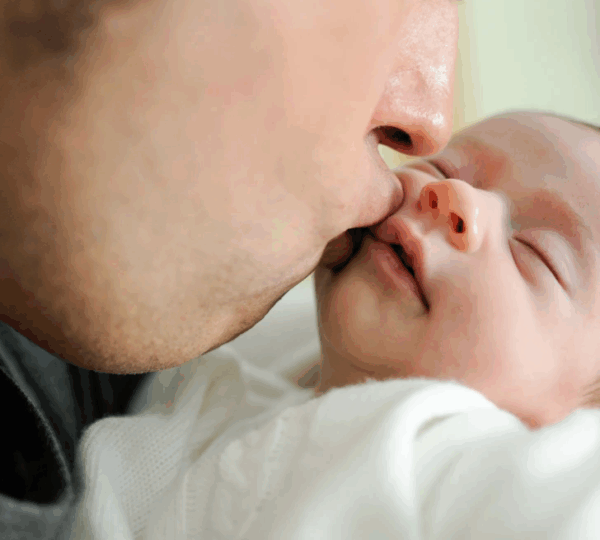
In this tragic case, the mother believes the infection was transmitted when her toddler was kissed by someone with an active cold sore. Even though such kisses are often intended as affectionate gestures, the virus found a vulnerable entry point through the child’s eye. The infection progressed aggressively, causing a 4-millimeter hole to form in the cornea—the transparent, protective layer at the front of the eye. This wound threatened the child’s vision and posed a serious risk of permanent damage.
The Severity of Herpes Keratitis and Its Potential Complications
Herpes keratitis is a serious condition that can lead to permanent vision loss if left untreated. The virus can cause inflammation, scarring, and corneal ulcers. In rare but severe cases, it can even spread to the brain, leading to life-threatening complications. For parents, witnessing these effects on their child is deeply traumatic. “It was devastating to look into my baby’s eye and see a literal hole where the cornea should be,” the mother shared emotionally.
The Long Road of Treatment and Management
Treatment for herpes keratitis involves antiviral medications to suppress the virus, as well as supportive care to aid healing. However, it is important to note that HSV-1 infections cannot be completely cured. They can only be managed to prevent flare-ups and further damage.
The toddler underwent multiple rounds of medication and specialist consultations. Although the infection was brought under control, the child’s journey was far from over. Earlier this year, the family traveled to South Africa to consult a pediatric ophthalmologist who specializes in such complex cases. The child has undergone the first of three planned surgeries designed to stabilize and repair the damage to the eye.
The upcoming surgeries are complex. The second procedure will involve nerve grafting—harvesting nerves from the child’s leg and transplanting them into the eye to promote healing and restore sensation. The final surgery aims to improve eye function and protect vision. Despite these advanced interventions, the family is preparing for the possibility that the toddler may lose vision in the affected eye permanently. “We have come to terms with the possibility that he might be blind in his left eye for life,” the mother said with a mix of sadness and acceptance.
Why Prevention Matters: Protecting Babies from HSV-1
This heartbreaking story highlights the critical need for awareness and preventive measures to protect infants and toddlers from the herpes simplex virus. Babies have immature immune systems that make them especially susceptible to serious complications from infections that adults might easily withstand.
To safeguard children from HSV-1, parents and caregivers should consider the following essential precautions:
-
Avoid Kissing Babies if You Have Cold Sores: Anyone with an active cold sore should never kiss a baby, including kisses on the cheeks, hands, or any part of the face. The virus is highly contagious and can be passed through even brief contact.
-
Educate Family and Friends: Ensure that everyone who interacts with your baby understands the risks associated with HSV-1. Ask them to avoid close contact if they have cold sores or feel unwell.
-
Practice Excellent Hygiene: Wash hands thoroughly before touching the baby, especially after contact with one’s own face or mouth. Encourage good hygiene habits among all caregivers.
-
Monitor for Early Symptoms: Watch carefully for signs of eye infections or unusual behavior in your baby, such as redness, discharge, excessive tearing, or scratching at the eyes. Early medical intervention is crucial to prevent complications.
-
Be Wary of Asymptomatic Carriers: Many individuals carry HSV-1 without any visible symptoms, making it difficult to identify risks. This makes caution even more important around newborns and infants.
-
Extra Precautions for Immunocompromised Children: If your child has a weakened immune system due to illness or medication, take additional steps to limit exposure to anyone who might carry the virus.
The Emotional Impact and a Mother’s Urgent Plea
Beyond the physical challenges, the emotional burden on parents watching their child suffer is immense. The mother describes the fear, anxiety, and heartbreak that accompanied every step of the treatment process. The uncertainty of her child’s future vision adds to the strain.
Despite everything, she is determined to share her experience as a cautionary tale to prevent other families from enduring similar pain. Her clear and urgent message to all parents is simple but vital: “Never let anyone kiss your baby if they have a cold sore. This virus can cause so much harm—it’s simply not worth the risk.”
Conclusion: A Wake-Up Call for All Parents
Herpes simplex virus is a common infection that many underestimate, yet it can have devastating effects on infants. This story is a powerful reminder that even the most loving and well-intentioned actions, such as a kiss, can sometimes carry hidden dangers. Protecting the health of our children requires constant vigilance, education, and proactive prevention.
Parents must advocate for their children’s safety by educating their families, insisting on good hygiene, and being cautious about contact during cold sore outbreaks. The stakes are high, and the consequences of neglecting these precautions can be heartbreaking. Through awareness and care, we can minimize the risks of HSV-1 infections in babies and ensure that more children grow up healthy, safe, and protected from preventable harm.
As parents, we often assume that small, seemingly harmless gestures—like a quick kiss—pose no real threat to our children’s health. Yet, one mother’s heartbreaking experience serves as a powerful reminder that even the most innocent actions can sometimes lead to serious and unexpected consequences. This mother’s story underscores the critical importance of vigilance, education, and caution in protecting the delicate health of our youngest and most vulnerable family members. How It All Started: A Simple Kiss Turns Into a Medical Emergency.
It all began innocently enough. The mother noticed her one-year-old toddler had developed a mild eye infection. Initially, the symptoms seemed typical: redness, slight discharge, and mild irritation. Following the advice of their family doctor, they started the child on antibiotic eye drops, hopeful the issue would resolve quickly with treatment. However, within just two days, the situation took a drastic and frightening turn. The mother vividly recalls, “We noticed that his eye looked very different. It was as if something was growing inside the eyeball — something that definitely hadn’t been there before.” The mild infection had escalated rapidly into a much more severe condition.
Despite the obvious visual changes to his eye, the toddler showed an unusual lack of discomfort or pain. “He was scratching his eye vigorously, yet he never flinched or cried,” the mother explained. This absence of typical pain response was alarming and prompted the family to seek out specialized medical care immediately. After thorough examination by pediatric ophthalmologists, the diagnosis was confirmed: the child had contracted a herpes simplex virus infection in his eye.
Understanding the Hidden Danger of Herpes Simplex Virus (HSV-1)
Herpes simplex virus type 1 (HSV-1) is commonly known for causing cold sores around the lips. However, many people do not realize how easily the virus can be transmitted through saliva or close contact—even when visible symptoms like cold sores are not present. The virus can infect sensitive areas such as the eyes, leading to herpes keratitis, a potentially sight-threatening condition.
In this tragic case, the mother believes the infection was transmitted when her toddler was kissed by someone with an active cold sore. Even though such kisses are often intended as affectionate gestures, the virus found a vulnerable entry point through the child’s eye. The infection progressed aggressively, causing a 4-millimeter hole to form in the cornea—the transparent, protective layer at the front of the eye. This wound threatened the child’s vision and posed a serious risk of permanent damage.
The Severity of Herpes Keratitis and Its Potential Complications
Herpes keratitis is a serious condition that can lead to permanent vision loss if left untreated. The virus can cause inflammation, scarring, and corneal ulcers. In rare but severe cases, it can even spread to the brain, leading to life-threatening complications. For parents, witnessing these effects on their child is deeply traumatic. “It was devastating to look into my baby’s eye and see a literal hole where the cornea should be,” the mother shared emotionally.
The Long Road of Treatment and Management
Treatment for herpes keratitis involves antiviral medications to suppress the virus, as well as supportive care to aid healing. However, it is important to note that HSV-1 infections cannot be completely cured. They can only be managed to prevent flare-ups and further damage.
The toddler underwent multiple rounds of medication and specialist consultations. Although the infection was brought under control, the child’s journey was far from over. Earlier this year, the family traveled to South Africa to consult a pediatric ophthalmologist who specializes in such complex cases. The child has undergone the first of three planned surgeries designed to stabilize and repair the damage to the eye.
The upcoming surgeries are complex. The second procedure will involve nerve grafting—harvesting nerves from the child’s leg and transplanting them into the eye to promote healing and restore sensation. The final surgery aims to improve eye function and protect vision. Despite these advanced interventions, the family is preparing for the possibility that the toddler may lose vision in the affected eye permanently. “We have come to terms with the possibility that he might be blind in his left eye for life,” the mother said with a mix of sadness and acceptance.
Why Prevention Matters: Protecting Babies from HSV-1
This heartbreaking story highlights the critical need for awareness and preventive measures to protect infants and toddlers from the herpes simplex virus. Babies have immature immune systems that make them especially susceptible to serious complications from infections that adults might easily withstand.
To safeguard children from HSV-1, parents and caregivers should consider the following essential precautions:
-
Avoid Kissing Babies if You Have Cold Sores: Anyone with an active cold sore should never kiss a baby, including kisses on the cheeks, hands, or any part of the face. The virus is highly contagious and can be passed through even brief contact.
-
Educate Family and Friends: Ensure that everyone who interacts with your baby understands the risks associated with HSV-1. Ask them to avoid close contact if they have cold sores or feel unwell.
-
Practice Excellent Hygiene: Wash hands thoroughly before touching the baby, especially after contact with one’s own face or mouth. Encourage good hygiene habits among all caregivers.
-
Monitor for Early Symptoms: Watch carefully for signs of eye infections or unusual behavior in your baby, such as redness, discharge, excessive tearing, or scratching at the eyes. Early medical intervention is crucial to prevent complications.
-
Be Wary of Asymptomatic Carriers: Many individuals carry HSV-1 without any visible symptoms, making it difficult to identify risks. This makes caution even more important around newborns and infants.
-
Extra Precautions for Immunocompromised Children: If your child has a weakened immune system due to illness or medication, take additional steps to limit exposure to anyone who might carry the virus.
The Emotional Impact and a Mother’s Urgent Plea
Beyond the physical challenges, the emotional burden on parents watching their child suffer is immense. The mother describes the fear, anxiety, and heartbreak that accompanied every step of the treatment process. The uncertainty of her child’s future vision adds to the strain.
Despite everything, she is determined to share her experience as a cautionary tale to prevent other families from enduring similar pain. Her clear and urgent message to all parents is simple but vital: “Never let anyone kiss your baby if they have a cold sore. This virus can cause so much harm—it’s simply not worth the risk.”
Conclusion: A Wake-Up Call for All Parents
Herpes simplex virus is a common infection that many underestimate, yet it can have devastating effects on infants. This story is a powerful reminder that even the most loving and well-intentioned actions, such as a kiss, can sometimes carry hidden dangers. Protecting the health of our children requires constant vigilance, education, and proactive prevention.
Parents must advocate for their children’s safety by educating their families, insisting on good hygiene, and being cautious about contact during cold sore outbreaks. The stakes are high, and the consequences of neglecting these precautions can be heartbreaking. Through awareness and care, we can minimize the risks of HSV-1 infections in babies and ensure that more children grow up healthy, safe, and protected from preventable harm.
