
For many viewers, Happy Days remains one of the most recognizable television comedies of the 1970s. The leather jacket, the jukebox at Arnold’s, the Cunningham family home, Richie’s friendly personality and Fonzie’s unmistakable confidence all became part of the show’s identity. Created by Garry Marshall, the series premiered on ABC in 1974 and continued for 11 seasons. Although it looked back at the 1950s and early 1960s, it was produced at a time when American audiences were especially interested in nostalgia.
Over the years, Happy Days grew from a family-centered sitcom into a major cultural phenomenon with memorable characters, popular spinoffs and a lasting influence on television history. The series did not begin exactly as audiences later knew it. An early version of the Cunningham family first appeared in a pilot shown as part of Love, American Style. That story revolved around a Midwestern family getting its first television set and the excitement surrounding this new household technology.
Richie and his friend Potsie hoped the television would help them impress a girl, while the adults became fascinated by the device as well. The pilot was not immediately developed into a regular series. However, interest in 1950s nostalgia continued to grow, and the concept eventually returned in the form of Happy Days. Ron Howard was already well known before becoming Richie Cunningham. As a child, he had appeared on The Andy Griffith Show as Opie Taylor and had also worked in movies.
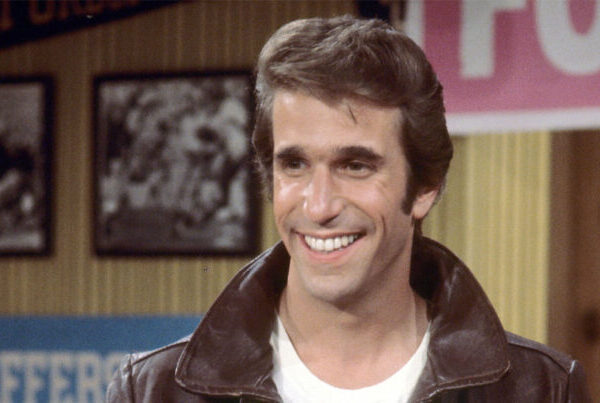
One of his notable early film roles was Winthrop Paroo in the 1962 movie adaptation of The Music Man. Years later, Happy Days made a playful reference to that part of Howard’s real acting history. His experience as a child performer gave him an unusual level of professionalism by the time he joined the sitcom. Even though Richie became one of television’s best-known teenagers, Howard was already thinking seriously about what he wanted to do behind the camera.
Another important moment came shortly before Happy Days began its regular run. Howard starred in George Lucas’s 1973 film American Graffiti, a movie centered on teenagers, cars, music and growing up in the early 1960s. The film became highly successful and demonstrated that audiences had a strong appetite for stories that revisited the era of rock and roll, diners and cruising. That success helped strengthen interest in television projects set during the same general period. Happy Days fit naturally into that trend, but it eventually developed its own personality and style.
At first, Richie Cunningham appeared to be the clear center of the series. He was the good-natured teenager navigating friendships, dating and family life with the help of his parents, Howard and Marion Cunningham. Richie’s friends, including Potsie Weber and Ralph Malph, added much of the early comedy. The stories were generally smaller and more grounded than many of the episodes that would come later. Yet another character quickly began attracting extraordinary attention, even though he had not originally been intended to dominate the show.
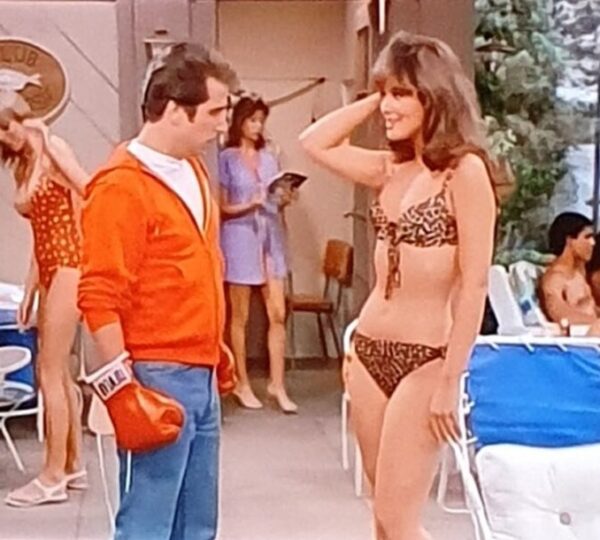
That character was Arthur Fonzarelli, better known as Fonzie or the Fonz. Henry Winkler auditioned for the role after arriving in Los Angeles and brought an unusual combination of toughness, humor and vulnerability to the character. Fonzie was supposed to be the cool outsider, but Winkler made him much more than a stereotype. He could be confident and intimidating while also showing loyalty, kindness and insecurity. Audiences responded so strongly that Fonzie gradually became one of the most important characters in the entire series.
Garry Marshall had reportedly imagined a more physically imposing actor when thinking about Fonzie. Winkler did not necessarily match that original image, but his performance proved that attitude mattered more than size. His voice, posture and timing created a character who immediately felt distinctive. Fonzie’s mannerisms became recognizable even to people who did not regularly watch the show. His thumbs-up gesture, his confidence around the jukebox and his familiar expressions helped turn him into one of the defining television personalities of the decade.
Fonzie’s famous leather jacket also has an interesting history. In the earliest part of the series, network executives were cautious about having him regularly appear in leather because they worried it would create too much of a “hoodlum” image. As a result, Fonzie was sometimes shown wearing a cloth or windbreaker-style jacket instead. Over time, the leather jacket became more acceptable, especially when it was connected to scenes involving his motorcycle. Before long, the leather jacket became inseparable from Fonzie’s image.
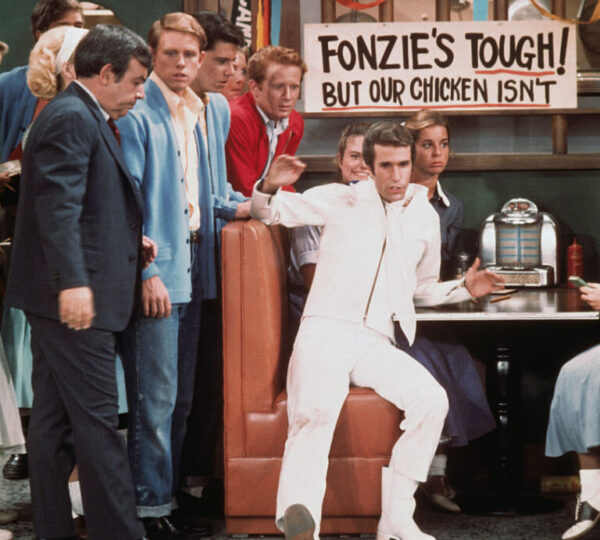
The jacket eventually became much more than a costume. One of the leather jackets worn by Henry Winkler on the series became part of the Smithsonian’s National Museum of American History collection. That placement reflected just how strongly the character had become associated with American popular culture. What began as a wardrobe decision for a television character eventually became a preserved entertainment artifact. It is difficult to think of Fonzie today without immediately picturing the jacket.
Winkler’s performance was even more impressive because of a challenge he faced privately. He has spoken openly about struggling with reading and school during childhood and later learning that he had dyslexia. Reading scripts could therefore be difficult for him, particularly during auditions or situations where he had little preparation time. He developed ways of coping, including memorizing quickly and relying on performance instincts when written material became difficult. Audiences watching Fonzie had no idea how much effort could be happening behind the scenes.
Winkler’s dyslexia was not diagnosed until adulthood, long after he had already experienced years of frustration in school. He has described being made to feel unintelligent even though his difficulties were connected to a learning difference. His eventual success in acting, producing, directing and writing directly contradicted those early assumptions. In later years, he became an advocate for children with learning challenges and frequently spoke about the importance of recognizing that academic struggles do not necessarily reflect intelligence or potential.
This part of Winkler’s story adds another layer to the character audiences knew as effortlessly cool. Fonzie rarely appeared uncertain, but the actor playing him had spent years managing a problem that affected one of the central requirements of his profession: reading scripts. His ability to build such a memorable character while working around those challenges is one reason his career has remained particularly meaningful to many people. It also demonstrates how little television audiences may know about the difficulties performers face away from the screen.
Fonzie’s motorcycle was another important part of his image. On television, he appeared completely comfortable around motorcycles and seemed perfectly suited to the role of a confident rider. In real life, Winkler has said that motorcycles made him uncomfortable. Production techniques were therefore sometimes used to create the appearance of confident riding without requiring him to perform every motorcycle sequence himself. The contrast between the fearless fictional character and the actor’s real feelings became a humorous behind-the-scenes detail.
The series also relied heavily on music to create its nostalgic atmosphere. Bill Haley and His Comets’ “Rock Around the Clock” was closely associated with the early seasons. A specially recorded version was used for the television program rather than relying entirely on the original commercial recording. Later, the song “Happy Days” became the better-known opening theme. The music helped establish the period setting immediately and reinforced the show’s connection with the early rock-and-roll era.
As the series became more successful, its style evolved. The earliest episodes often focused on family life, high school, dating and relatively ordinary teenage problems. Later seasons introduced broader comedy and more exaggerated situations. Some viewers preferred the more grounded tone of the beginning, while others enjoyed the increasingly larger personalities and unusual storylines. This evolution helped the show remain popular for many years, even though the tone changed considerably from its earliest episodes.
One of the most famous examples of that change involved Fonzie waterskiing over a shark. The scene appeared during a storyline set in California and became one of the most discussed moments in television history. Years later, the expression “jump the shark” was created to describe the point when a television series is believed to become too exaggerated or begins relying on increasingly unlikely ideas. The phrase became so popular that many people know it without realizing it came directly from a Happy Days episode.
Interestingly, the famous shark sequence involved a skill Henry Winkler actually possessed. He had experience waterskiing and performed much of the waterskiing seen in the episode himself. However, the most dangerous part of the stunt, the actual jump over the shark enclosure, was handled professionally. The sequence therefore combined a genuine ability of the actor with a deliberately outrageous television idea. Despite the criticism the scene later received, Happy Days continued for several more seasons after it aired.
Another major contribution of the series was its role in helping launch Robin Williams. Before Williams became internationally famous, he appeared on Happy Days as Mork, an alien from the planet Ork. The character was completely different from most of the personalities who normally appeared in the series. Williams used energetic physical comedy, unusual voices and rapid improvisation to make Mork instantly memorable. His performance quickly attracted attention.
Mork became popular enough to receive his own television series, Mork & Mindy. That program premiered in 1978 and turned Williams into a major television star. From there, his career expanded into stand-up comedy and film, eventually including celebrated performances in dramas as well as comedies. His appearance on Happy Days is now remembered as one of the key early moments in his rise to fame. It is remarkable that a sitcom built around nostalgia helped introduce one of the most innovative comedic performers of his generation to a national audience.
The success of Mork was not the only example of Happy Days creating opportunities for other programs. Laverne & Shirley also developed from characters connected with the Happy Days world and became a highly successful sitcom in its own right. Other spinoffs followed, although not all enjoyed the same level of popularity. This ability to create new television series from supporting characters showed just how large the fictional universe around Happy Days had become.
Arnold’s Drive-In was an important part of that fictional world. The restaurant functioned as the social center for Richie, Fonzie and their friends. Characters gathered there to talk, joke, plan dates and deal with everyday problems. Over time, Arnold’s became almost as recognizable as the Cunningham home itself. The jukebox, booths and familiar setting helped create a sense of continuity even as characters and storylines changed.
Pat Morita became one of the memorable actors associated with Arnold’s. He played Arnold Takahashi, the owner of the restaurant during part of the series. Morita was born and raised in California and spoke English naturally without the exaggerated accent sometimes associated with Asian characters in older American entertainment. His portrayal reflected the complicated expectations placed on minority actors during that era. Like many performers of his generation, he worked within an industry where stereotypes could influence how characters were written and presented.
Years later, Morita became internationally famous for playing Mr. Miyagi in The Karate Kid. His performance earned him an Academy Award nomination and introduced him to an entirely new generation. Looking back at his appearances on Happy Days offers another example of how the sitcom brought together performers whose later careers would become significant in different ways. The program is filled with actors who became better known for roles they played after their time on the series.
The character of Pinky Tuscadero was introduced as a possible romantic match for Fonzie. Played by Roz Kelly, Pinky was designed as a confident and independent personality who could match Fonzie’s energy. The multi-part storyline Fonzie Loves Pinky received substantial attention and appeared to suggest that the Fonz might finally have found a serious romantic partner. However, the character did not become a permanent part of the program as originally hoped.
That storyline demonstrates how difficult it could be to create a romantic relationship around a character such as Fonzie. Part of his appeal came from being independent and larger than life. Giving him a permanent romantic partner could have changed the dynamic that made the character so popular. As a result, Fonzie remained primarily associated with his friendships, his relationship with the Cunningham family and his role as an older mentor to younger characters.
Over time, Fonzie became increasingly integrated into the Cunningham household. What began as Richie’s friendship with a motorcycle-riding outsider gradually evolved into something closer to a family relationship. Howard and Marion Cunningham came to treat Fonzie with genuine affection, while Fonzie showed a strong sense of loyalty toward them. This transformation helped prevent the character from remaining only a comic stereotype. Beneath the leather jacket and confident attitude, the show gave him emotional connections that made audiences care about him.
The Cunningham parents were essential to the series. Tom Bosley played Howard Cunningham with a balance of authority and warmth, while Marion Ross made Marion Cunningham one of television’s most beloved sitcom mothers. Their relationship with Richie, Joanie and eventually Fonzie gave the show a stable emotional center. Even when episodes moved into broader comedy, the Cunningham household provided a familiar place for the characters and audience to return to.
Erin Moran’s Joanie Cunningham also developed significantly over the years. She began as Richie’s younger sister but eventually became a major character with her own relationships and storylines. Her romance with Chachi Arcola became especially important during the later seasons. Joanie and Chachi eventually received their own spinoff, Joanie Loves Chachi. Although that series was comparatively short-lived, it demonstrated how much the younger characters had grown in importance.
Scott Baio’s Chachi became another prominent figure during the later years of Happy Days. Introduced as Fonzie’s younger cousin, Chachi quickly became popular with younger viewers. His relationship with Joanie became one of the program’s major romantic storylines. As Richie and other original characters appeared less frequently, younger characters such as Joanie and Chachi helped carry more of the show’s stories.
Ron Howard eventually left Happy Days as a regular cast member after the seventh season. By that point, his ambitions as a filmmaker were becoming increasingly important. Howard had already begun directing television projects and was determined to build a career behind the camera. That decision ultimately proved extremely successful. He later directed acclaimed and commercially successful films across several genres, establishing himself as one of Hollywood’s most respected filmmakers.
Howard’s later achievements make his years as Richie Cunningham even more interesting in retrospect. A performer who became famous playing one of television’s most wholesome teenagers eventually built his strongest adult career directing other actors. His directing work would include major films and award-winning productions. Yet he has continued to speak warmly about Happy Days and the relationships he formed during the series.
The show also featured many guest performers who became more famous later. Janine Turner, for example, appeared in the 1983 episode “Where the Guys Are” before becoming widely recognized for Northern Exposure. Seeing actors in small early roles has become one of the pleasures of revisiting older television programs. Viewers who know those performers from later work can suddenly recognize them in appearances made before their major breakthroughs.
Turner later built a successful career in television and film, including her role as Maggie O’Connell on Northern Exposure. Her Happy Days appearance came at a time when she was still working to establish herself in the entertainment industry. Like many young actors, she faced decisions about which roles to accept and what kind of career she wanted to build. Her brief connection with the series has therefore become more interesting in hindsight than it may have seemed when the episode first aired.
Another interesting connection involved Ron Howard’s own childhood career. In one episode, the Cunninghams leave a screening of The Music Man and make a joke about a young performer resembling Richie as a child. The humor came from the fact that the child actor in the movie really was Ron Howard. He had appeared in the 1962 film years before taking the role of Richie Cunningham. It was a clever piece of self-referential humor for viewers familiar with Howard’s earlier career.
The Happy Days set also attracted famous visitors. John Lennon visited the production during the 1970s with his son Julian, who was reportedly a fan of the program. Lennon’s appearance was not part of an episode, but it became one of the memorable behind-the-scenes stories associated with the show. The fact that a former Beatle could casually visit the set demonstrated the extraordinary level of cultural attention surrounding the series during its peak years.
The show’s success was reflected clearly in television ratings. By the middle of the 1970s, Happy Days had become one of the most watched programs in the United States. Fonzie’s popularity in particular grew to an extraordinary level. Merchandise, magazine articles and promotional appearances helped turn Henry Winkler into one of television’s most recognizable stars. The character’s influence reached well beyond the actual episodes.
Despite that attention, Winkler has often emphasized the importance of maintaining an ensemble atmosphere. He has spoken about the cast thinking of themselves as a group rather than competing over popularity. That approach helped preserve relationships even when Fonzie became the breakout character. Ron Howard has also spoken positively over the years about Winkler and the way he handled his sudden rise in fame.
The friendship between Howard and Winkler has become one of the more enduring relationships connected with the series. Although their careers moved in very different directions, both men continued working successfully for decades. Their mutual respect helped counter the common assumption that a breakout supporting character must automatically create resentment with the original lead. In the case of Happy Days, the two performers developed a lasting friendship.
Garry Marshall was central to maintaining the atmosphere of the show. He was known for encouraging a friendly environment among the performers and crew. The production even organized a Happy Days softball team made up of cast and staff members. The team played charity games and participated in events beyond the television studio. Activities like these reinforced the sense that the people making the program were more than coworkers who only met when cameras were rolling.
That camaraderie probably contributed to the warmth audiences felt on screen. Television viewers rarely know exactly what relationships are like behind the scenes, but strong working relationships can influence the tone of a production. Happy Days depended heavily on the idea that these characters genuinely cared about one another. The Cunningham family, Richie’s friends and Fonzie’s extended relationships all worked better when the performers themselves had developed trust.
The names of several characters also had connections with Garry Marshall’s real life. Marshall drew inspiration from people and names he had encountered growing up. Even Fonzie’s name went through several possibilities before Arthur Fonzarelli became the final choice. These small details illustrate the way creators frequently borrow pieces of real experience when constructing fictional worlds.
The program also changed visually as it developed. The earliest episodes were produced with a somewhat different style and atmosphere from the later seasons. As the series became more audience-driven and comedy-focused, the production evolved to emphasize live reactions and larger performances. This shift contributed to the feeling that early and late Happy Days can sometimes seem like different versions of the same television show.
Some continuity details changed as well. Locations and characters evolved as the writers refined the program. The diner that eventually became famous as Arnold’s did not appear in exactly the same form from the very beginning. Like many long-running television programs, Happy Days adjusted elements of its fictional world as it moved from pilot to full production and then through more than a decade of episodes.
Because the series has been discussed for so many years, some stories surrounding it have become exaggerated or mixed with television folklore. Claims about enormous increases in library-card registrations after a Fonzie reading-related storyline, for example, have circulated for decades without solid evidence supporting the dramatic numbers sometimes repeated. This is an important reminder that entertaining behind-the-scenes stories should still be distinguished from facts that can be documented.
The reading storyline itself remains meaningful even without exaggerated statistics. Using a character as popular as Fonzie to suggest that reading could be worthwhile was a clever way to reach younger viewers. Fonzie represented confidence and social status within the fictional world of the show. Seeing him interact positively with books and libraries could deliver a simple cultural message without turning the sitcom into a lecture.
The contrast is particularly interesting because Henry Winkler himself had struggled so much with reading because of dyslexia. At the time, most viewers did not know that personal history. In later years, Winkler became closely associated with efforts to encourage children who struggle with learning differences. That makes the connection between Fonzie and reading especially meaningful when viewed from today’s perspective.
The character’s influence could sometimes extend beyond entertainment. Winkler has described receiving extraordinary attention from viewers who emotionally connected with Fonzie. Stories from the period demonstrate just how seriously some fans regarded television personalities. This level of identification can be difficult to understand today unless one remembers that the biggest network programs of the 1970s could regularly reach enormous national audiences.
At its peak, Happy Days was not simply one entertainment choice among hundreds of streaming options. Millions of people could watch the same episode during the same week and discuss it afterward. A character such as Fonzie therefore had a level of shared cultural visibility that is harder for individual television characters to achieve in today’s fragmented media environment. His catchphrases and gestures became recognizable across generations.
The show also helped preserve and reshape the public image of the 1950s. Its version of the decade was deliberately idealized. Real American life during that period was far more complicated than the cheerful world shown on television. Happy Days was not intended to be a documentary, and viewers should not treat its nostalgic depiction as a complete representation of American society in the 1950s.
Instead, the series used the era as a setting for stories about friendship, family, dating, school and growing up. The cars, music, clothing and diners created the atmosphere, but the emotional stories were designed for viewers in the 1970s and later. This combination helped make the show accessible even to people who had not personally experienced the period it portrayed.
Its cultural importance also came from longevity. Running for 11 seasons meant that characters and performers changed significantly. Viewers who began watching Richie in high school eventually saw a very different stage of his life. Joanie matured, Fonzie became more responsible and new characters entered the story. The gradual evolution made the fictional community feel as if it had its own history.
The final years were very different from the earliest ones, partly because several original performers had reduced roles or departed. Yet the series continued trying to preserve its central themes of friendship and family. Fonzie remained one of the primary links between the early and later versions of the program. His own character developed from a mysterious outsider into someone deeply connected with the community.
By the time Happy Days ended in 1984, television itself had changed substantially from the world in which the show had premiered. The finale provided an emotional conclusion for longtime viewers. Tom Bosley, as Howard Cunningham, addressed the audience in a way that acknowledged the connection many viewers had developed with the fictional family over the years. It was a fitting ending for a program built so strongly around the idea of welcoming viewers into a familiar home.
The emotional response to the finale reflected how television operated during that era. Families often watched programs together in their living rooms, and long-running series could become part of weekly routines. For viewers who followed Happy Days for years, saying goodbye to the Cunninghams and their friends could genuinely feel like the end of a familiar chapter.
Decades later, the show remains culturally recognizable even among people who did not watch its original broadcasts. Fonzie’s jacket and gestures are still referenced. “Jump the shark” has become a standard expression in entertainment criticism. Robin Williams’ appearance as Mork is remembered as an important turning point in his career. Ron Howard’s transformation from sitcom star to celebrated director adds another remarkable chapter to the show’s history.
Henry Winkler also built a long career after Fonzie. Rather than being permanently trapped by the character, he continued acting in television and film, working as a producer and director and later receiving acclaim for roles very different from the Fonz. His career became an example of how a performer can remain connected with an iconic role without allowing it to define everything that follows.
His openness about dyslexia became equally significant. By discussing struggles that had once caused him embarrassment and frustration, Winkler helped make learning differences easier for other people to talk about. He eventually became involved in children’s books featuring a young character with dyslexia, extending his influence far beyond the entertainment world that initially made him famous.
Ron Howard’s later achievements provide a similar example of reinvention. He moved successfully from child actor to television star and then to director. His career eventually included major films across drama, comedy and historical subjects. For longtime Happy Days viewers, watching the young Richie Cunningham become a highly respected filmmaker has added another dimension to the show’s legacy.
Robin Williams’ story remains especially powerful when looking back at his Happy Days appearance. Viewers watching Mork for the first time could not have known the enormous career that would follow. Williams became one of the most distinctive entertainers of his generation, combining extraordinary comic improvisation with acclaimed dramatic work. His brief introduction through the Happy Days universe has therefore become an important piece of television history.
Pat Morita’s later career created another powerful connection. After playing Arnold, he became forever associated with Mr. Miyagi in The Karate Kid. His performance brought humor, dignity and emotional depth to that character and earned major recognition. Seeing him in Happy Days today provides a glimpse of an actor before one of the defining roles of his career.
The same is true of many smaller guest appearances scattered throughout the series. Long-running television programs often become accidental archives of entertainment history. Actors who were barely known at the time can suddenly appear familiar to modern viewers because of work they completed years later. That makes revisiting older episodes an experience that combines nostalgia with discovery.
The cultural world surrounding Happy Days also reflects how television stars were promoted during the 1970s. Fan magazines, public appearances, merchandise and network promotions could quickly transform performers into household names. Henry Winkler became one of the strongest examples of that phenomenon. Fonzie was not simply a television character; he became a recognizable symbol of “cool” in popular culture.
Yet the character’s enduring popularity came partly from the fact that he was more complicated than his image suggested. Fonzie could be tough, but he also cared deeply about his friends. He valued loyalty, protected younger characters and increasingly showed vulnerability as the series continued. Those qualities allowed the character to grow rather than remain a one-dimensional joke.
Richie provided an important balance to Fonzie. Where Fonzie represented confidence and rebellion, Richie was more conventional, cautious and openly emotional. Their friendship allowed the show to bring together two very different versions of masculinity without turning either character into an enemy. That relationship became one of the emotional foundations of the series.
The supporting characters contributed just as much to the sense of community. Potsie, Ralph, Joanie, Chachi, Howard, Marion and others each brought a different personality to the fictional Milwaukee setting. Not every storyline has aged equally well, and some aspects clearly reflect the social attitudes of the period in which the program was produced. Even so, the central emphasis on friendship and family remains easy to recognize.
Looking back at Happy Days also offers a reminder that television history is often more complicated than nostalgic memories suggest. Some beloved stories are well documented, while others have been repeated so frequently that they are sometimes treated as facts without enough evidence. Separating documented information from exaggeration allows the real achievements of the cast and creators to stand on their own.
There is already plenty that is remarkable without adding myths. A supporting character became one of television’s biggest icons. An actor with undiagnosed dyslexia built a successful career around scripts. A young comedian named Robin Williams turned a guest role into a major breakthrough. A child actor named Ron Howard became an acclaimed filmmaker. A television stunt eventually gave the English language a phrase still used decades later.
Those stories explain why Happy Days remains worth discussing. Its importance is not limited to nostalgia for leather jackets, jukeboxes and old cars. The series became a meeting point for significant performers, influential television ideas and memorable pieces of popular culture. It also demonstrated how a sitcom can change dramatically over a long run while still retaining characters that audiences care about.
For viewers who watched it when it originally aired, Happy Days may bring back memories of sitting with family members and waiting for a favorite program to begin. For younger viewers, it can function as a window into both the era it portrayed and the 1970s television industry that produced it. Those are two different forms of nostalgia, and the show has managed to survive through both.
Ultimately, the lasting appeal of Happy Days comes from the warmth of its fictional world. The program presented an idealized version of growing up in which problems could usually be discussed, friendships mattered and familiar people gathered again at the same diner the following week. It was never a complete portrait of American life in the 1950s, nor did it claim to be. It was entertainment built around nostalgia, comedy and relationships.
Behind that entertainment, however, were real performers dealing with uncertainty, career decisions, learning challenges and the unpredictable nature of show business. Henry Winkler could not have known that Fonzie would become an international icon. Ron Howard could not have known how successful his directing career would become. Robin Williams could not have known that one eccentric alien appearance would help introduce him to millions of viewers.
That combination of familiar television memories and surprising real-life history continues to make Happy Days fascinating more than 50 years after its debut. The leather jacket and jukebox remain easy symbols of the series, but the deeper story involves talented performers, changing television styles, unexpected career breakthroughs and a sitcom that became far more influential than anyone could have predicted when its earliest pilot was first produced.

