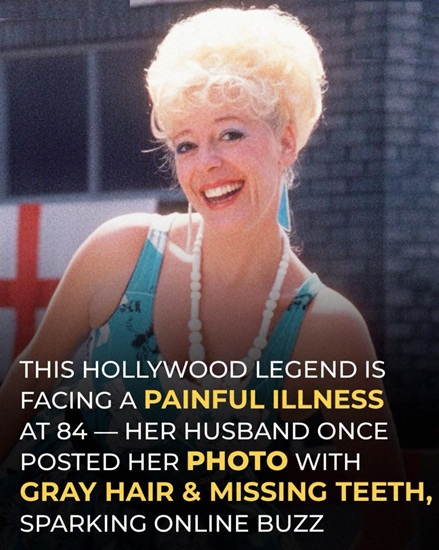
Julie Goodyear, remembered by generations of television viewers for her memorable portrayal of Bet Lynch in Coronation Street, has been living with dementia, a diagnosis that her husband, Scott Brand, publicly disclosed in June 2023. Since then, Brand has spoken candidly about how the condition has affected their everyday life and changed the relationship they had known for many years. His accounts have focused not only on Julie’s changing needs but also on the emotional and practical realities experienced by someone caring for a spouse with dementia.
Through his involvement with Alzheimer’s Society, he has also encouraged other families facing similar circumstances to seek assistance rather than trying to manage everything alone. When Brand announced Julie’s diagnosis, he explained that they had been seeking medical advice after noticing increasing problems with her memory. He said the couple had been forced to adjust to a difficult new reality after receiving the diagnosis. At the time, Brand also explained that Julie could still enjoy going out and meeting people she knew, although tiredness and confusion could sometimes make social encounters more difficult.
Because she had been such a recognizable television personality for decades, he asked members of the public to be understanding if they approached her and she appeared uncertain about who they were. The diagnosis marked the beginning of a significant transition for the couple. Dementia is not experienced identically by every person, and its progression can affect memory, communication, independence and everyday activities in different ways.
For Brand, the changes also meant gradually taking on responsibilities that had previously been shared or handled by Julie. The husband who had spent years enjoying life alongside her increasingly found himself becoming her primary carer. It was a transformation he later acknowledged was emotionally difficult to accept. In March 2024, Brand shared considerably more about their experience as part of Alzheimer’s Society’s The Long Goodbye campaign.

He described missing the energetic and fun-loving woman whose personality had once seemed to brighten every room she entered. He said watching aspects of that familiar personality gradually disappear had been extremely painful. His comments offered a personal account of what some relatives and carers experience as dementia progresses, while also recognizing that no two families necessarily experience the condition in precisely the same way.
Brand explained that some of the most painful changes involved seemingly ordinary moments that he and Julie had once taken for granted. Going out spontaneously as husband and wife became increasingly difficult. Walking together while holding hands, eating at restaurants and going shopping were among the routines he remembered fondly. These activities may appear ordinary from the outside, but for a couple who had shared them for years, losing that spontaneity represented a significant change in everyday life.
He also described changes involving Julie’s long-established interest in fashion and appearance. During her years in the public eye, Goodyear became famous for a glamorous image that was closely associated with her Coronation Street character. Brand said she had traditionally been extremely interested in makeup and would rarely go anywhere without it. As her dementia progressed, however, he noticed that her lipsticks and makeup increasingly went unused and that clothing no longer held the same interest for her.
The change was particularly noticeable because glamour had been such a recognizable part of Goodyear’s public image. Bet Lynch became famous for bold clothing, distinctive hairstyles and especially her enthusiasm for leopard print. Those visual characteristics helped make the character one of British television’s most recognizable soap personalities. Brand said that even leopard-print clothing, once strongly associated with Julie’s style, no longer attracted the interest it previously had. For him, such changes represented more than abandoned beauty products or clothing; they were reminders of how their daily life was changing.
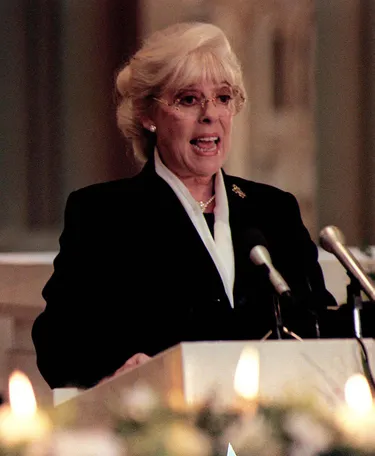
From Husband to Full-Time Carer
One of the biggest adjustments Brand described was becoming responsible for Julie’s day-to-day care. He initially believed he could cope without outside assistance. The couple had always valued their privacy, and accepting help from people outside their household did not immediately feel natural to him. Like many spouses suddenly placed in a caring role, he attempted to manage the situation himself before realizing how demanding that approach could become.
Brand later acknowledged that trying to do everything alone was not sustainable. The responsibilities associated with caring for someone with dementia can extend far beyond providing companionship. Everyday schedules may need to be reorganized, appointments have to be managed, paperwork must be completed, and plans that once required little thought can become more complicated. A carer may also feel that they need to remain constantly available in case circumstances suddenly change.
Eventually, Brand recognized that he needed support. He has spoken about this realization as an important turning point in his experience. Instead of viewing outside assistance as something the couple should avoid, he began to understand that accepting appropriate help could benefit both of them. He subsequently encouraged other carers not to wait until they had become overwhelmed before asking for assistance.

His experience became one of the personal stories highlighted by Alzheimer’s Society. The organization connected Brand with Dementia Adviser Julie Mann, who helped him navigate services and practical responsibilities associated with Julie’s condition. Brand said the support removed a substantial burden and described it as a lifeline at a time when both he and his wife needed assistance.
The practical guidance was particularly valuable because Brand had found himself dealing with responsibilities that had previously been outside his normal routine. Managing household matters, planning for the future and understanding available care options can be complicated under ordinary circumstances. Doing so while simultaneously caring for a spouse and processing the emotional consequences of a dementia diagnosis can make those responsibilities significantly harder.
Brand’s decision to discuss these difficulties publicly also highlighted an often overlooked side of dementia: the effect on husbands, wives, partners, children and other people providing care. A diagnosis directly affects the person living with dementia, but families frequently have to reorganize significant parts of their lives as well. The Alzheimer’s Society notes that people affected by dementia can experience different forms of loss as the condition progresses, an experience sometimes described in terms of anticipatory grief.
The Meaning Behind “The Long Goodbye”
Brand and Goodyear became involved with Alzheimer’s Society’s The Long Goodbye campaign in 2024. The campaign attempted to portray the continuing sense of loss that some families experience during the progression of dementia. Alzheimer’s Society has explained that the concept was informed by real experiences and developed with input from people directly affected by dementia. The organization also emphasizes that every person’s experience with dementia is unique.
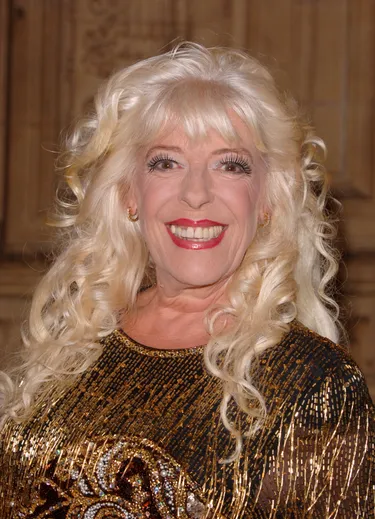
For Brand, the campaign’s title connected closely with changes he was already experiencing. The losses he described were not necessarily dramatic individual events. Instead, many involved everyday activities that gradually became harder or disappeared from the couple’s routine. Shopping together, sharing meals outside the home, walking hand in hand and making spontaneous plans had all been ordinary parts of their relationship.
The absence of these moments carried considerable emotional significance for him. Relationships are often built around routines that appear insignificant until circumstances make them impossible. A familiar restaurant visit, an afternoon shopping trip or simply deciding to leave the house together can become treasured memories. Brand’s account demonstrated how dementia can affect not only memory but also the routines through which couples have expressed companionship over many years.
Alzheimer’s Society has described The Long Goodbye as a portrayal of anticipatory grief and the multiple losses that people living with dementia and those close to them can experience. The charity also stresses that individual dementia experiences vary considerably, meaning that one family’s story should not be treated as a universal description of everyone living with the condition.
The campaign itself generated discussion after its launch because of its emotionally direct presentation. Alzheimer’s Society acknowledged that some viewers found the advertisement difficult to watch, while explaining that it was intended to increase awareness of the realities faced by families affected by dementia. The organization said the project was developed with extensive input from people with direct experience of the condition.
For Brand, however, the campaign offered an opportunity to describe his own experience rather than speak for every family. He could explain what had changed in his marriage, what he missed and why professional support had become important. His account also carried a practical message for other carers: seeking assistance is not something that needs to be postponed until circumstances become impossible to manage.
The Importance of Accepting Support
Brand has been particularly open about initially resisting help. When someone has spent years living independently with a spouse, suddenly involving advisers and care professionals can require a significant emotional adjustment. Privacy may be important to both partners, and the person providing care may believe that devotion alone will allow them to manage every responsibility.
His experience eventually convinced him otherwise. Brand said he realized that he could not handle everything himself and needed to ask for assistance. That acknowledgment became one of the central lessons he shared publicly. Caring for another person does not require rejecting professional support, and receiving help can allow carers to continue providing companionship without carrying every administrative and practical responsibility alone.
The assistance provided by Dementia Adviser Julie Mann included helping Brand understand the services and support available to the couple. He credited that guidance with reducing the pressure he was experiencing. Instead of navigating an unfamiliar system entirely by himself, he had someone who could help explain practical options and responsibilities.
Such support can be especially valuable because dementia is a progressive condition and a family’s needs can change over time. Arrangements that work during one stage may need to be reconsidered later. Carers can therefore face repeated decisions while simultaneously adjusting emotionally to changes in someone they love.
Brand’s comments offered an important distinction between caring deeply for someone and being able to provide every form of assistance without outside support. His commitment to Julie remained central to his life, but he learned that accepting professional guidance did not diminish that commitment. Instead, appropriate support could make the responsibilities surrounding her care more manageable.
Alzheimer’s Society used Brand’s experience as part of a broader effort to remind families that help is available. The charity provides information and support for people living with dementia as well as relatives, partners and carers. Brand has said that the assistance he received became important to both him and Julie and continued to help them after the initial diagnosis.
Julie Goodyear’s Place in British Television History
The emotional response to updates about Julie is partly connected with the enormous affection many viewers developed for her during her television career. She became synonymous with Bet Lynch, one of the most distinctive characters in the history of Coronation Street. Her performance helped turn Bet into a television figure remembered for her confidence, humor, elaborate outfits and unmistakable style.
Goodyear played the character across many years, becoming closely associated with the Rovers Return Inn and the fictional community of Weatherfield. Bet’s glamorous appearance was a crucial part of the character, but Goodyear’s performance also gave her emotional depth. Viewers saw relationships, disappointments, humor and resilience unfold over years of storylines.
Her contribution to entertainment extended beyond the immediate popularity of individual episodes. For many viewers, Bet Lynch became representative of a particular period in British soap history. Images of Julie in elaborate clothing and leopard print remain immediately recognizable to people who followed the program during those years.
Goodyear’s contribution to entertainment was formally recognized when she was awarded an MBE in 1996. Alzheimer’s Society also highlighted her long association with Bet Lynch when discussing Brand’s account of their life following her dementia diagnosis.
That history helps explain why updates about her health have generated such strong emotions among longtime viewers. People who remember a performer from decades of television can feel a sense of familiarity even though they do not personally know the individual. However, public affection should not erase the distinction between a famous performer and the private person living with an illness.
Julie is more than the glamorous character viewers remember from television. Her circumstances also illustrate why people living with dementia deserve dignity rather than being measured exclusively against photographs or memories from earlier periods of their lives. Changes in appearance or ability are not a person’s entire identity, and dementia does not erase the value of the individual living with it.
A Photograph Prompts Different Online Reactions
Public discussion surrounding Julie intensified after Brand shared a photograph of his wife alongside an affectionate message about spending time together. According to reports about the post, he expressed happiness about having enjoyed a good day with her. The image subsequently circulated beyond its original context and attracted comments from social-media users.
Some commenters expressed sadness because the photograph contrasted with their memories of Goodyear during her television career. Others questioned whether such a personal image should have been made public. Those comments represented the views of individual social-media users rather than a reliable measurement of wider public opinion.
Other people defended Brand and interpreted the photograph differently. They focused on the fact that Julie appeared to be spending time with her husband and argued that people living with dementia should not disappear from public view merely because illness has changed aspects of their lives. Some commenters who had personal experience with relatives living with dementia said the image reminded them of their own families.
The disagreement raised a broader question about how society responds when a familiar public figure ages or experiences serious illness. Celebrity culture frequently preserves performers through photographs taken when they were younger and professionally styled. When a more recent image looks different from those memories, some viewers can experience a strong emotional reaction.
However, changes associated with age or illness should not automatically be framed negatively. People living with dementia continue to be individuals with relationships, experiences and moments of connection. A photograph captures only a brief moment and cannot by itself explain someone’s overall condition, quality of life or emotional experience.
It is therefore more responsible to describe what is known about the circumstances surrounding an image without speculating about someone’s health based solely on appearance. In Julie’s case, the diagnosis had already been publicly disclosed by her husband. Additional conclusions about her condition should come from reliable statements rather than visual interpretation.
A Relationship Spanning Decades
Julie and Scott’s relationship began years before her dementia diagnosis changed their daily lives. They first met during the 1990s and eventually married in 2007. Their relationship attracted media attention partly because Julie was already an established television personality and because of the age difference between them.
Over the years, however, the couple repeatedly spoke about their affection for one another. Their relationship lasted through a long period of life away from the fictional drama that had made Julie famous. Brand later became the person responsible for helping her navigate one of the most difficult periods of her life.
In June 2024, Brand marked their wedding anniversary by sharing a photograph from their wedding and an affectionate message reflecting on their years together. The gesture provided a contrast to the difficult discussions surrounding dementia. Alongside the grief and practical challenges he had described, Brand continued to emphasize his love for his wife and the importance of their relationship.
That combination is important when understanding his public comments. His account is not solely about loss. It is also about remaining beside a spouse while circumstances change. The transition from husband to husband-and-carer altered the practical nature of their daily relationship, but his statements consistently emphasized the personal bond underlying those responsibilities.
Brand has described missing activities they once enjoyed together while also making clear that he remained committed to Julie’s care. The memories of holidays, dinners, shopping and ordinary walks therefore carry two meanings. They represent things he misses, but they also document the shared life that existed before dementia became such a major part of their routine.
For families experiencing dementia, memories can hold similar importance. A diagnosis may change what is possible in the present, but it does not erase the years that came before it. Photographs, stories and familiar routines can remain part of a relationship even when circumstances surrounding that relationship have changed dramatically.
Life Before the Diagnosis
Long before dementia became part of their lives, Julie had already experienced a long and eventful personal and professional journey. Her acting career brought widespread recognition, but her private life also included relationships and challenges that unfolded away from her famous television role.
Before marrying Brand, Julie had been married previously. Her personal history had been discussed publicly across decades because of her celebrity status, although those earlier relationships belong to a very different period of her life. By the time she and Brand married in 2007, the couple had already known one another for years.
Their marriage eventually entered circumstances neither could have anticipated when they exchanged vows. The dementia diagnosis fundamentally changed their routine, placing Brand in a caring role and requiring both of them to adapt to new limitations.
Brand’s later anniversary messages show why he continues to think about their marriage in terms broader than Julie’s diagnosis. Dementia is now an unavoidable part of their circumstances, but their relationship began long before the illness and contains years of experiences unrelated to it.
That perspective is especially important when discussing someone with a progressive condition. A diagnosis is medically and practically significant, but it should not become the only fact used to describe a person’s life. Julie Goodyear remains an actor with a substantial professional legacy, a wife and a person whose life encompasses far more than her illness.
The same principle applies to anyone living with dementia. Respectful discussion can acknowledge the difficulties created by the condition while avoiding language that reduces an individual entirely to symptoms or decline.
Scott Brand’s Message to Other Carers
One of the clearest messages to emerge from Brand’s experience concerns the importance of accepting help. He has acknowledged that his original instinct was to manage everything privately. Eventually, the demands of caring convinced him that this approach could not continue indefinitely.
His subsequent relationship with Alzheimer’s Society demonstrated the practical difference that appropriate support could make. Having a Dementia Adviser helped him understand unfamiliar responsibilities and reduced some of the pressure he had been carrying alone. He later described that assistance as a continuing lifeline.
The message does not suggest that every family’s circumstances will resemble Julie and Scott’s. Dementia is an umbrella term covering conditions that can develop and progress differently, and families have different financial circumstances, support networks and care requirements. Alzheimer’s Society itself emphasizes that every dementia story is unique.
Instead, Brand’s experience provides one personal example of why carers may benefit from reaching out before they become overwhelmed. Loving someone does not automatically provide the specialist knowledge required to navigate every aspect of dementia care. Asking questions, seeking professional guidance and sharing responsibilities can
