
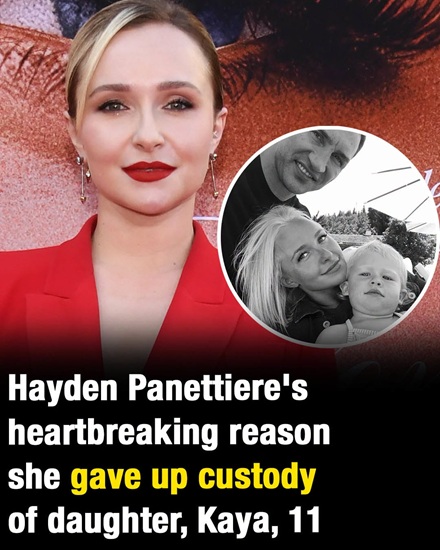
Hayden Panettiere, the actress whose career stretched from childhood television to major roles in Heroes, Nashville and the Scream franchise, died at the age of 36 on August 16, 2026. Her death brought renewed attention not only to the performances that made her famous but also to the deeply personal story she had begun sharing more openly during the final years of her life. Among the most emotional subjects was her relationship with her daughter, Kaya Evdokia Klitschko.
Kaya, now 11, is Panettiere’s daughter with former heavyweight boxing champion Wladimir Klitschko. Although Kaya lived primarily with her father for years, Panettiere repeatedly explained that the arrangement did not mean she had stopped being part of her daughter’s life. Following Panettiere’s death, her father, Alan “Skip” Panettiere, released a statement describing the enormous loss experienced by the family. He remembered Hayden as a powerful and loving presence who brought happiness to those around her as well as to millions of people who had watched her on screen.
Panettiere had spent virtually her entire life in entertainment, making her death at such a young age particularly striking for viewers who had watched her grow from a child performer into an internationally recognized television actress. Her career began extraordinarily early. Panettiere later recalled being taken to auditions as a baby and working in commercials before she was old enough to understand what a professional acting career meant.
She estimated that she had appeared in dozens of commercials by the time she was five. Television roles followed, including work on One Life to Live and Guiding Light. Long before most children begin thinking about future careers, Panettiere was already working regularly in front of cameras.
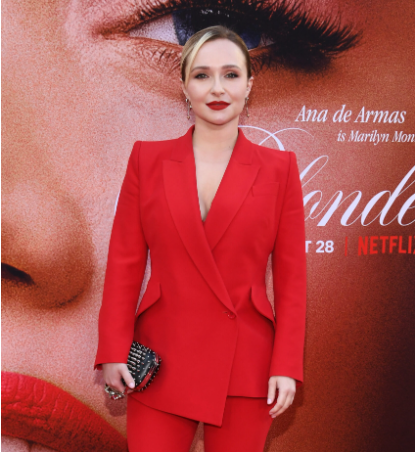
Her early success continued in film. She provided the voice of Dot in Pixar’s A Bug’s Life and later appeared alongside Denzel Washington in Remember the Titans. The 2000 sports drama became one of the best-known projects from the early stage of her career. Additional television and film appearances followed as Panettiere successfully transitioned from child performer into teenage actress.
Her biggest breakthrough came in 2006 when she began playing Claire Bennet on NBC’s Heroes. Claire was a teenage cheerleader who discovered that she possessed an extraordinary ability to recover from injuries. Panettiere became one of the most recognizable faces associated with the series, while “Save the cheerleader, save the world” became one of the defining phrases of the show’s early seasons.
The success of Heroes transformed Panettiere into an international celebrity while she was still a teenager. She appeared at major entertainment events, became a regular subject of media coverage and experienced the type of public attention that few young people encounter. Years later, she would explain that growing up within that environment affected her understanding of privacy, independence and personal identity.
Another defining role arrived in 2012 when Panettiere joined Nashville as Juliette Barnes. The character was a successful country singer navigating fame, professional ambition, relationships and significant personal difficulties. Panettiere’s performance allowed her to combine acting and music while taking on considerably more mature dramatic material.
Her work on Nashville earned her two Golden Globe nominations and became one of the most critically recognized periods of her career. She remained with the series throughout its six-season run. Yet behind that professional success, Panettiere’s personal circumstances were becoming increasingly complicated.
In December 2014, Panettiere and Klitschko welcomed their daughter, Kaya. Motherhood was something Panettiere had looked forward to, but the period following Kaya’s birth became far more difficult than she had expected. Panettiere later revealed that she experienced postpartum depression, a serious condition that she eventually discussed openly in interviews.
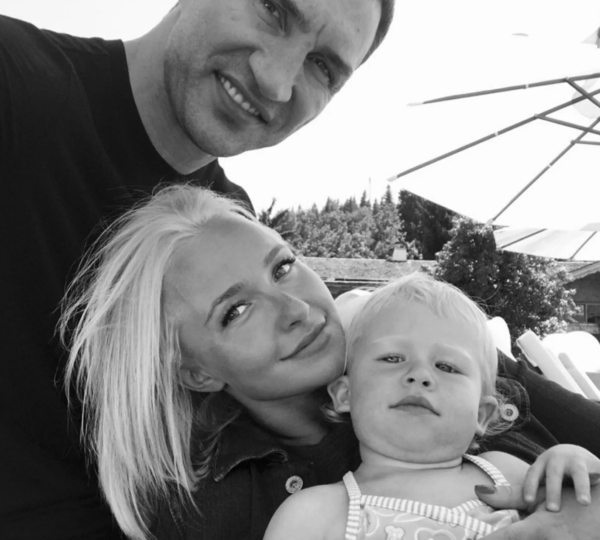
Her struggles did not end with postpartum depression. Panettiere also developed significant problems involving alcohol and other substances. She later spoke candidly about addiction and how severely it affected her health, relationships and ability to function as she wanted.
Those difficulties eventually influenced the arrangements surrounding Kaya. Panettiere and Klitschko ended their romantic relationship, and Kaya began living primarily with her father. In 2018, Panettiere signed over full custody to Klitschko while dealing with serious personal and addiction-related problems.
The phrase “gave up custody” has frequently been used to describe what happened, but Panettiere herself argued that the reality was considerably more complicated. She strongly rejected suggestions that she had simply decided she did not want to raise her daughter. Instead, she described the custody decision as one of the most painful experiences of her life.
Panettiere explained that she was struggling significantly at the time and did not believe she could provide Kaya with the stability her daughter needed every day. Klitschko was in a better position to provide that stability, and Kaya consequently lived primarily with him in Europe.
For Panettiere, accepting that arrangement required acknowledging something deeply painful about her own circumstances. She loved her daughter but recognized that love alone did not automatically make her capable of providing the healthiest environment while she was experiencing serious addiction and emotional difficulties.
Years later, Panettiere continued to describe the separation with visible emotion. In her 2026 memoir, This Is Me: A Reckoning, she wrote extensively about motherhood and the pain of not sharing a home with Kaya every day.
She explained that missing the ordinary experiences of motherhood affected her deeply. Everyday moments that many parents take for granted—waking up in the same home, sharing meals and participating directly in daily routines—became experiences Panettiere could not consistently have with her daughter.
Their relationship instead had to function across significant geographic distance. Communication technology allowed Panettiere and Kaya to remain connected, but Panettiere made clear that video calls were not a substitute for the type of everyday motherhood she had imagined.
She described grieving the mother she had expected to become. At the same time, she repeatedly emphasized that she considered herself extraordinarily fortunate to be Kaya’s mother.
Panettiere described Kaya as one of the greatest gifts in her life. Her comments showed that the custody arrangement had changed the practical circumstances of motherhood without eliminating the emotional relationship she felt with her daughter.
The actress also objected strongly when people accused her of abandoning Kaya. During public discussions surrounding her memoir, she explained that those accusations were painful because they ignored the circumstances that led to the custody decision.
From Panettiere’s perspective, choosing stability for Kaya required making a decision that caused her enormous personal pain. She believed her daughter’s needs had to take priority over her desire to keep Kaya physically close while she was struggling.
That distinction became one of the most important points Panettiere tried to communicate. Relinquishing full custody did not mean relinquishing her relationship with her daughter. Nor did it mean she stopped wanting to be a mother.
Panettiere remained connected with Kaya and continued speaking proudly about her as she grew older. She also described maintaining a workable co-parenting relationship with Klitschko despite the end of their engagement.
The geographical separation remained challenging. Kaya primarily lived in Europe, while Panettiere continued spending much of her time in the United States. Their circumstances therefore required significant planning and long-distance communication.
Panettiere nevertheless said she wanted Kaya to have something she herself had struggled to experience growing up: privacy. That desire was closely connected to Panettiere’s childhood in the entertainment industry.
Having begun working when she was extremely young, Panettiere knew what it felt like to grow up while adults were making professional decisions around her. She later reflected on how little control a young child can have when an entertainment career begins before the child is old enough to understand what fame means.
Kaya had not chosen to be the daughter of two internationally recognizable parents. Panettiere therefore believed she should not automatically be required to live publicly simply because her mother was an actress and her father was a famous boxer.
Panettiere expressed a desire for Kaya to decide for herself how much of her life she wanted to share. She wanted her daughter to experience choices she believed had often been unavailable to her during childhood.
That philosophy became another important part of Panettiere’s explanation of motherhood. Protecting Kaya did not only mean ensuring she had a stable home. It also meant attempting to protect her identity from unnecessary public attention.
For that reason, Panettiere generally avoided turning Kaya into a central part of her celebrity image. Although she discussed motherhood and their relationship, she repeatedly emphasized her daughter’s right to privacy.
Meanwhile, Panettiere continued confronting her own addiction. She later described periods when alcohol became a way of coping with emotional pain, anxiety and difficulty sleeping. The situation eventually became serious enough that professional treatment was necessary.
Recovery was not immediate. Panettiere spoke about setbacks and acknowledged that changing destructive patterns required extensive work. She rejected the idea that someone could simply enter treatment once and emerge permanently free from every problem.
At one point, she said she received a serious medical warning about what could happen if she continued drinking. The warning became another reason she recognized that major changes were necessary.
Kaya remained an important motivation during that process. Panettiere wanted to become healthier and continue building a meaningful relationship with her daughter even though they did not live together.
Her later interviews reflected a woman trying to accept responsibility without allowing her worst periods to define the entirety of her identity. She acknowledged mistakes and decisions she regretted while also discussing the circumstances that contributed to them.
Panettiere became increasingly open about those experiences during the years leading up to her death. Addiction, postpartum depression, relationships, motherhood and recovery were subjects she once might have discussed only selectively but eventually addressed in substantial detail.
Her willingness to speak about postpartum depression was particularly significant. Panettiere had first discussed the condition years earlier, helping challenge assumptions that motherhood automatically brings happiness or emotional stability.
Postpartum depression can affect mothers regardless of fame, career success or financial circumstances. Panettiere’s experience demonstrated that someone could appear professionally successful while privately struggling with serious emotional difficulties.
The contrast was particularly striking because she was playing Juliette Barnes on Nashville during an important period of her personal life. Some storylines involving Juliette touched on themes that felt unexpectedly close to what Panettiere was experiencing away from the cameras.
She later acknowledged that those similarities could be emotionally difficult. The boundaries between fictional drama and personal reality sometimes became uncomfortable.
After Nashville, Panettiere spent time away from major acting projects while dealing with different aspects of her personal life. Eventually, however, she returned to one of her most popular movie roles.
In 2023, she reprised Kirby Reed in Scream VI, more than a decade after first playing the character in Scream 4. Her return was welcomed by fans and represented a significant professional comeback.
The same year also brought devastating personal loss. In February 2023, Panettiere’s younger brother, Jansen, died at only 28 years old.
Jansen was Panettiere’s only sibling, and his death affected her profoundly. His family later said he died as a result of an enlarged heart combined with complications involving the aortic valve.
Panettiere described the grief as overwhelming. She said losing her brother felt like losing part of herself and acknowledged that the emotional consequences continued long after his death.
That grief became another subject she eventually discussed openly. Like addiction and motherhood, it became part of her attempt to tell a fuller story about her life rather than presenting audiences with a carefully polished celebrity image.
Her memoir, This Is Me: A Reckoning, was published in May 2026. The book gave Panettiere an opportunity to bring those different chapters together in her own words.
She wrote about entering Hollywood as a child, experiencing fame at a young age, relationships, addiction, recovery, motherhood and grief. The book also gave her space to explain circumstances that had frequently been reduced to short entertainment headlines.
Her custody arrangement with Kaya was one of those subjects. Panettiere wanted readers to understand the difference between choosing not to parent and recognizing that, during a serious personal crisis, someone else could provide greater stability.
She did not portray the decision as heroic or painless. Instead, she acknowledged anger, sadness, regret and grief connected with living apart from her daughter.
At the same time, she continued to believe that Kaya’s welfare had to be more important than her own desire to avoid those emotions. That belief remained central to the way she explained what happened.
Panettiere also made clear that she never stopped seeing herself as Kaya’s mother. Legal custody determined where her daughter primarily lived and who was responsible for everyday decisions, but it did not eliminate their relationship.
As Kaya grew older, Panettiere spoke proudly about her daughter’s interests and personality. Her comments suggested a relationship that continued developing despite the physical distance between them.
She also expressed appreciation for the qualities Kaya shared with both parents. Panettiere saw her daughter as carrying some of the best characteristics of herself and Klitschko.
Her relationship with Klitschko had changed considerably since their years as an engaged couple. Nevertheless, Panettiere indicated that they had reached a cooperative place as parents.
That cooperation was particularly important because Kaya’s life crossed countries and cultures. Klitschko remained closely connected to Ukraine and Europe, while Panettiere’s professional and personal life was strongly connected to the United States.
Through those complicated circumstances, Panettiere said her priority remained Kaya’s well-being. She wanted her daughter to grow up safely and have room to develop an identity separate from the public lives of her parents.
The idea carried special meaning because Panettiere had experienced almost the opposite childhood. Entertainment had been part of her life before she was old enough to make an informed decision about whether she wanted it.
She later said the work simply continued as she grew older. Commercials led to television, television led to movies and eventually she became an internationally famous teenager.
That career gave Panettiere extraordinary opportunities, but it also shaped her understanding of childhood autonomy. She did not want Kaya to feel obligated to follow the same path.
Her approach therefore involved an unusual contradiction. Panettiere was willing to discuss her own experiences publicly while simultaneously trying to keep much of her daughter’s life private.
That distinction reflected her belief that her story belonged to her, while Kaya should decide for herself what parts of her own story belonged to the public.
Following Panettiere’s death at 36, those comments have taken on additional significance. Kaya has now lost her mother at only 11 years old.
The tragedy makes it especially important to describe their relationship accurately. Saying simply that Panettiere “gave up her daughter” removes the context she spent years attempting to explain.
A more accurate description is that Panettiere relinquished full custody to Klitschko in 2018 during a period when she was struggling seriously with postpartum depression, addiction and instability.
She later said she believed Kaya needed consistency that she was unable to provide at that moment. The decision devastated her emotionally, but she felt her daughter’s needs had to come before her own wishes.
Panettiere continued seeking treatment and working on recovery afterward. She remained connected to Kaya and repeatedly described her daughter as central to her life.
The story therefore was never simply one of separation. It was also about a mother confronting painful limitations and attempting to rebuild after acknowledging them.
Panettiere never claimed to have handled every part of motherhood perfectly. In fact, much of her later writing was notable precisely because she acknowledged regret and imperfection.
She spoke about missing years of daily experiences with Kaya and about wishing circumstances had been different. She did not try to minimize that pain.
Yet she also refused to accept the idea that physical distance meant an absence of love. Her public comments consistently emphasized how much Kaya meant to her.
That nuance matters when discussing families affected by addiction or mental-health struggles. Difficult custody decisions can involve competing emotions and circumstances that are not visible to outsiders.
In Panettiere’s case, the public had spent decades watching her on television but knew comparatively little about what happened inside her private life until she began explaining it herself.
Her final years allowed her to change that. Through interviews and her memoir, Panettiere presented a more complicated account of fame, motherhood and recovery.
It was not a story in which every problem received a perfect resolution. Instead, she described herself as continuing to work through experiences that had shaped her for decades.
Motherhood remained part of that unfinished journey. Panettiere wanted more time with Kaya and wished she had been able to experience motherhood differently.
She nevertheless expressed gratitude for the relationship they did have. Even while grieving what she had missed, she continued celebrating the fact that Kaya was her daughter.
That combination of grief and gratitude captures much of what Panettiere said about motherhood. She could regret the circumstances while still believing that protecting Kaya’s stability had been necessary.
Her death means there will now be no opportunity for Panettiere to continue telling that story as Kaya grows into adulthood. What remains are the words she deliberately chose to leave behind.
Those words show a mother who understood that her daughter had been born into circumstances she never chose. Kaya had famous parents, international attention surrounding her family and a mother dealing with serious personal difficulties.
Panettiere wanted her daughter to have as much choice as possible despite those circumstances. Privacy, stability and independence became things she hoped Kaya could experience differently from her own childhood.
That wish provides important context for one of the most painful decisions Panettiere ever discussed publicly. The custody arrangement was not presented by her as an escape from motherhood.
Instead, she described it as accepting that another parent could provide the stable everyday environment she was unable to offer while struggling with addiction.
Panettiere spent the years afterward trying to improve her own circumstances. Recovery, professional work and rebuilding relationships became important parts of that process.
She also became increasingly determined to tell her story accurately rather than allowing assumptions to define it. Her memoir was perhaps the clearest expression of that effort.
Today, Hayden Panettiere is remembered for Claire Bennet, Juliette Barnes, Kirby Reed and a career that began almost before she could remember it. But her story as a mother was equally important to the way she understood herself.
She leaves behind an 11-year-old daughter whose privacy she repeatedly tried to protect. Kaya now carries a connection to a mother whose life included extraordinary professional achievements as well as painful personal struggles.
Understanding their relationship requires acknowledging both realities. Panettiere did not raise Kaya under the same roof for much of her childhood, and she openly grieved that fact.
At the same time, she continued loving her daughter, communicating with her and describing her with pride. The custody decision changed their circumstances, not the emotional importance Kaya held in Panettiere’s life.
That is why the context matters. Hayden Panettiere’s decision to relinquish full custody cannot accurately be reduced to the idea that she simply walked away from motherhood.
According to Panettiere’s own account, she was confronting postpartum depression, addiction and serious instability and believed Kaya deserved a more consistent environment than she could provide at the time.
The choice remained painful years afterward. She regretted the everyday moments she lost and wished she could have experienced motherhood differently.
But she also believed her daughter deserved stability and the freedom to grow up away from some of the pressures that had defined Panettiere’s own childhood.
In the end, that is perhaps the clearest way to understand the decision. Hayden Pan

