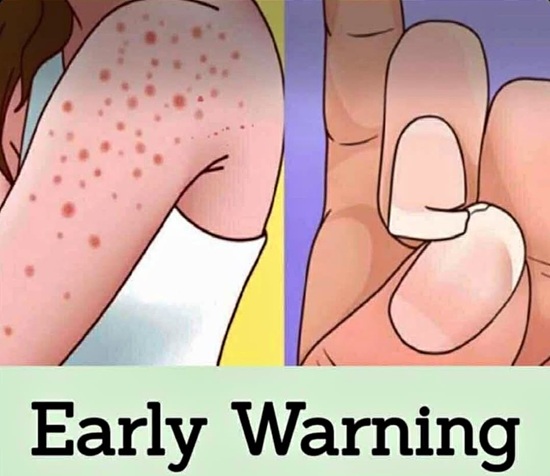
Changes in the body can sometimes provide important clues that something needs medical attention. Cancer is one possible cause of certain persistent symptoms, but it is important to keep those symptoms in perspective. Most changes commonly associated with cancer can also be caused by infections, medications, hormonal changes, digestive conditions and many other noncancerous problems. Rather than assuming the worst, the safest approach is to notice meaningful changes and discuss symptoms that persist, worsen or have no obvious explanation with a healthcare professional.
There is also no universal collection of symptoms that can reliably identify cancer at home. Cancer includes many different diseases, and symptoms depend on where a cancer begins, how it affects nearby tissues and other individual factors. Some cancers produce noticeable changes relatively early, while others may cause few obvious symptoms at first. This is one reason medically recommended screening can remain important even when a person feels healthy.
Persistent or Unusual Fatigue
Fatigue is one of the most common experiences in everyday life. Poor sleep, stress, infections, anemia, medications and numerous other factors can leave someone feeling unusually tired. Certain cancers can also cause persistent fatigue, either directly or through problems such as anemia.

Cancer-related fatigue cannot be identified simply by feeling tired after a difficult day. Greater concern may be appropriate when exhaustion is persistent, represents a significant change from someone’s normal energy level or does not improve as expected with adequate rest.
Fatigue becomes particularly important to evaluate when it appears alongside other unexplained changes, such as weight loss, persistent fever, unusual bleeding or a new lump. A clinician can investigate possible causes rather than attempting to identify the condition from fatigue alone.
Unexplained Weight Loss
Body weight naturally fluctuates, and intentional weight loss associated with dietary or activity changes is not the same as losing a significant amount of weight unexpectedly. Unexplained weight loss can occur with several medical conditions, including certain cancers.
Cancers affecting the digestive system are among those that may sometimes be associated with weight loss, although many noncancerous diseases can produce the same effect. Changes in appetite, metabolism and the body’s ability to absorb nutrients can all influence weight.
If weight continues falling without an intentional explanation, particularly when accompanied by other symptoms, medical evaluation can help determine the underlying reason.
Changes in Appetite or Feeling Full Quickly
A temporary loss of appetite can accompany common illnesses and stressful periods. Persistent changes deserve more attention, particularly when someone consistently feels full after eating much less than usual.
Persistent early fullness and abdominal bloating can occur in ovarian cancer, but they are also associated with many more common digestive and gynecological conditions. The symptom by itself therefore cannot identify a particular disease.
What matters is whether the experience is new, persistent and meaningfully different from someone’s usual pattern. A healthcare professional can decide whether further investigation is necessary.
New Lumps or Persistent Swelling
A new lump can understandably cause concern, but many lumps are benign. Cysts, infections and other noncancerous conditions frequently produce swelling.

Lymph nodes in areas such as the neck, underarms and groin commonly become enlarged when the immune system is responding to infection. They often return to normal afterward.
A lump that persists, continues growing or appears without an obvious explanation should nevertheless be examined. The same principle applies to a new breast lump or significant unexplained swelling elsewhere in the body.
Unexplained Bleeding
Bleeding that occurs without a clear explanation can be an important reason to seek medical advice. This can include blood in the stool or urine, coughing up blood, unusual vaginal bleeding or other unexpected bleeding.
Blood in the stool can sometimes occur with colorectal cancer, but hemorrhoids and other gastrointestinal conditions are common alternative explanations. The appearance of the blood can also vary depending on where bleeding occurs within the digestive tract.
Because the cause cannot reliably be determined by appearance alone, persistent or unexplained bleeding deserves professional assessment. Heavy or uncontrolled bleeding may require urgent medical care.
Unusual Bruising
Some blood cancers, including leukemia, can interfere with normal blood-cell production and contribute to unusual bruising or bleeding. However, cancer is far from the only possible cause.

Medications, injuries, platelet abnormalities and numerous medical conditions can make someone bruise more easily. Even normal bruising patterns differ between individuals.
A sudden major change in bruising, especially when accompanied by unusual bleeding, persistent fatigue, fever or other symptoms, is worth discussing with a clinician.
Changes in Bowel Habits
Temporary constipation or diarrhea is extremely common and can result from food, infections, medications or stress. A persistent change in someone’s normal bowel habits can deserve closer attention.
Possible changes include ongoing diarrhea, constipation, changes in stool shape or appearance and unexplained blood in the stool. Colorectal cancer can produce some of these symptoms, but so can many benign gastrointestinal conditions.
Persistence is therefore more meaningful than a single unusual day. A clinician can determine whether examination, laboratory testing or screening is appropriate.
Changes in Bladder Habits
Urinary symptoms also have numerous possible causes. Urinary tract infections, prostate conditions and other noncancerous disorders are common.
Blood in the urine, persistent difficulty urinating, pain during urination or a significant unexplained change in urinary frequency should be evaluated. Certain cancers involving the urinary system can cause such symptoms, but they cannot be diagnosed from those symptoms alone.
Visible blood in the urine is particularly worth discussing promptly with a healthcare professional, even if it occurs without pain.
A Persistent Cough
Most coughs are not related to cancer. Respiratory infections, asthma, allergies, reflux and smoking can all cause coughing.
A cough that persists, changes significantly or becomes progressively worse may warrant medical evaluation. Lung cancer is one possible cause of a chronic cough, particularly when other concerning symptoms are present.
Coughing up blood, persistent chest discomfort, unexplained weight loss or significant breathing changes can increase the importance of seeking medical advice.

Shortness of Breath or Wheezing
Difficulty breathing has many possible explanations, ranging from asthma and infections to heart disease and anemia. Lung cancer and other cancers affecting the chest can also sometimes contribute to breathing problems.
It is therefore inaccurate to treat wheezing or breathlessness as a specific early sign of lung cancer. These symptoms require context and proper medical assessment.
Sudden or severe breathing difficulty should be treated as an emergency regardless of whether cancer is suspected.
Persistent Hoarseness
A person’s voice can become hoarse during an ordinary respiratory infection or after excessive voice use. In most cases, it improves.
Hoarseness that persists without an obvious explanation may require examination. Conditions affecting the vocal cords, reflux and other benign problems are common causes, but certain cancers of the throat or nearby structures can also affect the voice.
A persistent change should therefore be evaluated rather than automatically attributed to either cancer or a harmless condition.
Difficulty Swallowing
Trouble swallowing can occur because of inflammation, reflux and numerous disorders affecting the throat or esophagus. Certain cancers can also cause progressive swallowing difficulties.
Someone may notice that food feels as though it becomes stuck, swallowing becomes painful or eating certain foods becomes increasingly difficult.
When swallowing problems persist or worsen, medical evaluation is important. The symptom alone cannot establish whether the underlying cause is cancer.
Persistent Fever or Significant Night Sweats
Fever is usually associated with infection. Nevertheless, certain cancers, particularly some blood cancers, can sometimes cause recurrent or unexplained fever.
Significant night sweats can also occur with many conditions. Hormonal changes, infections and medications are among the possibilities.
A persistent unexplained fever or repeated drenching night sweats should be discussed with a healthcare professional, particularly when accompanied by unexplained weight loss, swollen lymph nodes or unusual fatigue.
Breast Changes
A lump is not the only breast change that can deserve medical attention. Changes in shape, skin texture, nipple appearance or unexplained discharge can also require evaluation.
A nipple that becomes newly inverted can have different causes. Persistent redness, swelling or changes resembling the texture of orange peel can also occur with certain breast conditions.
Inflammatory breast cancer is an uncommon but aggressive type that can cause redness, swelling and skin changes rather than presenting primarily as a distinct lump. Infections can produce similar symptoms, making professional evaluation essential.
Persistent Bloating
Bloating is extremely common and usually has a benign explanation. Food, constipation, menstrual cycles and digestive conditions can all contribute.
Persistent abdominal swelling or bloating can sometimes occur with ovarian cancer, particularly when combined with pelvic discomfort, appetite changes or feeling full quickly.
The important word is persistent. An occasional bloated feeling after a meal is not equivalent to an unexplained pattern that repeatedly occurs and differs from someone’s normal experience.
Unusual Vaginal Bleeding
Unexpected vaginal bleeding can have numerous causes. Hormonal changes, fibroids and other benign gynecological conditions are among them.
Endometrial cancer can also cause abnormal bleeding. Bleeding between periods, a major unexplained change in menstrual patterns or bleeding after menopause should therefore be evaluated.
Postmenopausal bleeding does not automatically indicate cancer, but it is a symptom for which determining the cause is important.
Persistent Pelvic or Abdominal Discomfort
Pelvic and abdominal pain can arise from the digestive system, urinary tract, reproductive organs, muscles and many other structures.
Certain cancers can cause persistent discomfort in these areas, but ordinary conditions are much more common explanations. The location of pain alone cannot identify the cause.
Pain that continues, becomes progressively worse or appears with other unexplained changes such as bloating, bleeding or weight loss deserves medical attention.
Persistent or Unexplained Back Pain
Back pain is extremely common and is usually caused by musculoskeletal problems rather than cancer. Strained muscles, posture problems and age-related spinal changes account for many cases.
Cancer can occasionally cause back pain, particularly when disease affects bones or nearby tissues. However, back pain should not automatically be interpreted as evidence of cancer.
Persistent unexplained pain, particularly when associated with neurological symptoms, significant weakness or other concerning changes, should be assessed appropriately.
Skin Changes
Skin cancer can produce visible changes, but not every mole or skin spot is dangerous. Most skin lesions are benign.
A new lesion, a mole that changes noticeably or a sore that repeatedly bleeds or refuses to heal should be evaluated. Changes in size, shape or color can be useful reasons to seek professional examination.
Skin changes elsewhere can sometimes reflect internal medical problems as well. Jaundice, for example, causes yellowing of the skin and eyes and can result from numerous liver, gallbladder and pancreatic conditions, including some cancers.
Changes in the Mouth
Persistent sores, unexplained red or white patches, bleeding or other changes inside the mouth can have many possible causes.
Dental irritation and infections are common explanations. Some persistent changes can also be associated with oral cancers, particularly among people with certain risk factors.
A mouth sore that does not heal should therefore be examined rather than ignored indefinitely. Routine dental examinations can also help identify abnormalities requiring further evaluation.
Why One Symptom Usually Tells You Very Little
One of the problems with online cancer symptom lists is that almost every reader can recognize at least one symptom they have experienced.
Nearly everyone becomes tired. Most people occasionally feel bloated. Coughs are common, back pain is extremely common and lymph nodes frequently swell during infections.
This does not mean cancer symptoms are meaningless. It means they must be interpreted in context.
Duration, severity, progression, combinations of symptoms, age, medical history and risk factors can all influence whether additional investigation is appropriate.
Cancer Does Not Always Cause Early Symptoms
It is also incorrect to assume that the body will always provide an obvious warning before cancer becomes serious.
Some cancers can grow for a considerable period without producing symptoms that a person notices. Others cause vague changes that are easily mistaken for common conditions.
This is one reason cancer screening exists. Screening is designed for certain people who do not necessarily have symptoms.
Which tests are appropriate depends on age, sex, personal history, family history and other risk factors. Recommendations can also differ between countries and medical organizations.
Screening and Symptoms Serve Different Purposes
A person should not wait for symptoms before participating in screening that has been recommended for them.
Likewise, having recently received a normal screening result does not mean every new symptom should automatically be ignored. Screening tests are designed for specific cancers and have limitations.
A healthcare professional can explain which screening recommendations apply to an individual’s circumstances.
What Can Actually Reduce Cancer Risk?
There is no method that guarantees a person will never develop cancer. Age, genetics and chance contribute to cancer risk alongside modifiable factors.
Avoiding tobacco is one of the most important evidence-based ways to reduce the risk of cancer. Tobacco is associated with multiple cancers, not only lung cancer.
Limiting alcohol can also reduce cancer risk. The relationship between alcohol and several cancers is well established.
Physical Activity and Healthy Weight
Regular physical activity and maintaining a healthy body weight are associated with lower risks of several cancers.
This does not mean a person who exercises and maintains a healthy weight cannot develop cancer. Risk reduction is not the same as guaranteed prevention.
A generally nutritious eating pattern that emphasizes fruits, vegetables, whole grains and other nutrient-rich foods can form part of an overall healthy lifestyle.
Sun Protection
Ultraviolet radiation can damage skin and contribute to skin cancer.
Using appropriate sun protection, seeking shade, wearing protective clothing and avoiding indoor tanning can reduce unnecessary UV exposure.
Skin protection is relevant across different ages and skin tones, although individual risk can vary.
Vaccination Can Prevent Some Cancers
Some cancers are caused by infections, which means preventing those infections can reduce cancer risk.
Human papillomavirus, or HPV, can cause cervical cancer and several other cancers. HPV vaccination can prevent infections responsible for many of those cases.
Chronic hepatitis B infection can increase liver cancer risk. Hepatitis B vaccination can therefore contribute to cancer prevention by preventing the infection.
Be Cautious With Claims About Supplements
No ordinary vitamin or dietary supplement has been shown to broadly prevent all forms of cancer.
Claims that “normalizing vitamin D,” detoxifying the body or taking a particular supplement will prevent cancer can oversimplify scientific evidence. Supplements can also interact with medications or cause harm when used unnecessarily or at excessive doses.
People concerned about vitamin deficiencies should discuss appropriate testing and treatment with a qualified healthcare professional rather than using supplements as an unproven cancer-prevention strategy.
When Persistent Symptoms Matter
A symptom that lasts briefly and improves normally is different from one that continues for weeks.
The National Cancer Institute advises paying attention to symptoms that persist and discussing concerning changes with a healthcare professional. Waiting until a symptom becomes severe is not always necessary.
The purpose of seeking medical advice is not to assume that cancer is present. It is to determine what is actually causing the problem.
In many cases, the eventual explanation will be something far less serious.
Some Symptoms Require Faster Attention
Certain situations should not wait for an ordinary appointment.
Severe breathing difficulty, uncontrolled bleeding, sudden neurological symptoms or another medical emergency requires immediate attention regardless of whether cancer is a possibility.
The urgency comes from the symptom itself, not from attempting to determine whether cancer is responsible.
Avoid Self-Diagnosis
Searching symptoms online can provide general information, but it cannot replace examination, medical history or appropriate testing.
Cancer diagnosis may involve imaging, blood tests, endoscopy, biopsy or other procedures depending on what doctors are investigating.
A symptom checklist cannot perform those functions.
It can only indicate that a change may deserve attention.
Paying Attention Without Panicking
Learning about possible cancer symptoms should increase awareness rather than fear.
Most people experiencing fatigue do not have cancer. Most coughs are not lung cancer. Most swollen lymph nodes result from something else, and most episodes of abdominal discomfort are unrelated to malignancy.
The useful question is whether something has changed from your normal pattern and whether that change persists.
If it has, seeking professional advice is reasonable.
The Bottom Line
Cancer can produce many different symptoms, including persistent fatigue, unexplained weight loss, unusual bleeding, new lumps, changes in bowel habits, persistent coughing, swallowing difficulties, breast changes and unexplained pain.
None of these symptoms proves that cancer is present.
The same symptoms can arise from numerous conditions that are both more common and often much less serious.
The safest response is therefore neither panic nor dismissal.
Notice significant changes. Pay particular attention when they persist or worsen. Participate in recommended screening according to professional medical guidance, and discuss unexplained symptoms with a qualified healthcare professional.
Early diagnosis can improve treatment possibilities for many cancers, but accurate diagnosis requires medical evaluation rather than assumptions based on an online list.
Your body can tell you when something has changed. What it usually cannot tell you on its own is exactly why that change occurred. Recognizing that distinction makes it possible to remain attentive without turning every symptom into a cancer diagnosis — and to seek appropriate medical care when a persistent change genuinely needs an explanation.
