
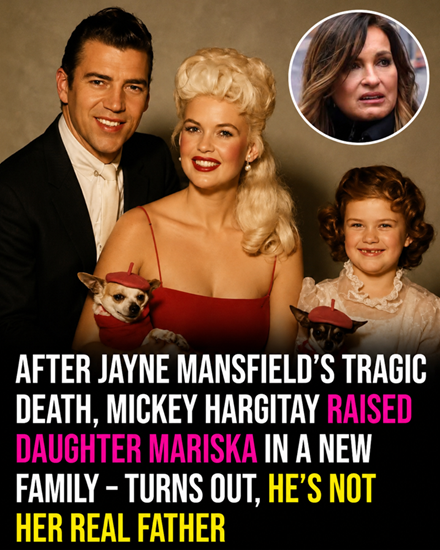
For much of her life, Mariska Hargitay believed she fully understood her family story. She knew herself as the daughter of Hollywood actress Jayne Mansfield and Mickey Hargitay, the former Mr. Universe who became the father figure at the center of her childhood. Mickey was not simply a famous parent in photographs. He was the man who raised her, supported her, and remained one of the most important people in her life. Years later, however, Mariska learned information about her biological parentage that forced her to rethink parts of the story she had always known.
Mariska was only three years old when Jayne Mansfield died in a 1967 car crash. Because she lost her mother at such a young age, Mickey became an especially important source of stability in her life. Mariska has repeatedly spoken with deep affection about him and has emphasized how close they were. That emotional bond would later make the discovery about her biological father much more complicated than a simple question of genetics.
The turning point came when Mariska was 25 years old. During a visit with someone who had collected photographs and memorabilia connected to Mansfield, she was shown a picture of entertainer Nelson Sardelli. At the time, she did not know who he was. According to Mariska’s later account in the documentary My Mom Jayne, seeing Sardelli’s face produced an immediate and powerful reaction.
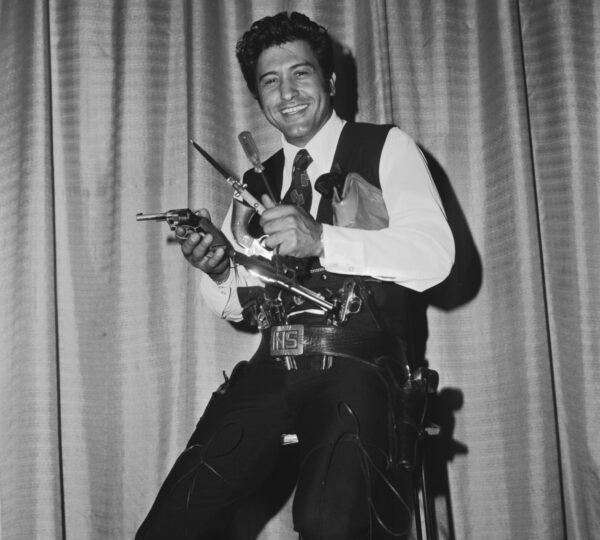
She has described the experience as an instinctive recognition, something she felt before she had time to process the facts. The photograph raised questions about her biological parentage that she had never previously considered. For someone who had grown up with a clear understanding of who her parents were, the discovery was deeply disorienting.
Nelson Sardelli was an Italian-born entertainer who had been romantically involved with Jayne Mansfield during a period when Mansfield and Mickey Hargitay were separated. Mansfield later reconciled with Mickey, and Mariska grew up believing that Mickey was both her biological father and the parent who raised her. The photograph of Sardelli changed that understanding.
For Mariska, the discovery affected more than a family tree. It touched on identity, heritage, loyalty, and belonging. She had grown up strongly identifying with the Hargitay family and Mickey’s Hungarian background. Suddenly, she was confronted with the possibility that part of her ancestry was different from what she had always believed. She later described the period as emotionally overwhelming.
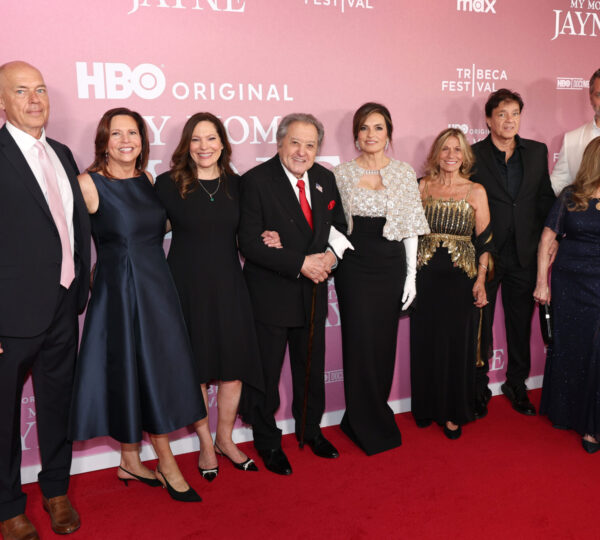
After learning about Sardelli, Mariska spoke with Mickey. According to her account, Mickey rejected the suggestion that Sardelli was her biological father and insisted that Mariska belonged to the Hargitay family. The conversation placed her in a painful position. She was trying to process new information while looking at the man who had loved and raised her throughout her childhood.
Mariska eventually chose not to continue challenging Mickey about the subject. She later explained that her loyalty to him was extremely strong. Whatever biological information she had discovered, Mickey remained the father she knew through everyday life, love, discipline, support, and shared experience. Their relationship was not suddenly erased because another part of her history had come to light.
That distinction became central to the way Mariska eventually understood the situation. Biology could answer one question, but it could not fully define parenthood. Mickey had been present for her childhood, helped raise her after the death of her mother, and remained emotionally central to her life. Mariska has made clear that learning about Sardelli never changed the importance of that bond.
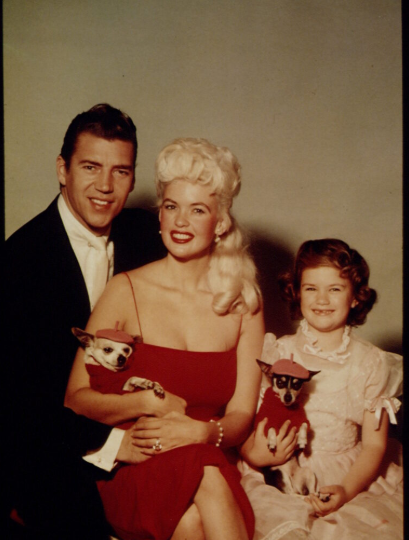
Still, the discovery created difficult questions about Nelson Sardelli. One of the most painful for Mariska was why, if he was her biological father, he had not openly claimed that relationship earlier. She later described struggling with feelings of rejection and wondering whether she had somehow not mattered enough to him.
Those feelings were particularly complicated because Mariska had already experienced the loss of her mother at such a young age. Discovering that another biological parent had been absent from her life could easily be interpreted through that earlier wound. She has spoken openly about how difficult it was to integrate those emotions.
When Mariska was around 30, she decided to meet Sardelli directly. She went to see him while he was performing in Atlantic City. According to her later account, Sardelli became emotional when he saw her and indicated that he had been waiting for that moment.
Mariska, however, was not immediately ready to embrace the relationship. She told him, in effect, that she already had a father. Her loyalty to Mickey remained strong, and accepting Sardelli felt emotionally complicated. She did not want acknowledging a biological connection to seem like a rejection of the man who had raised her.
Over time, that position gradually changed. Mariska developed a relationship with Sardelli and also became connected with members of his family. The process was not instantaneous. It took years for her to find a way to hold both truths at the same time: Mickey was her father through the life they shared, while Sardelli was part of her biological history.
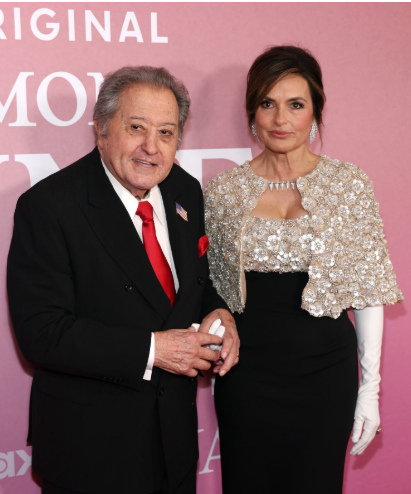
For a long period, Mariska did not publicly explain this family connection. Some relatives from the Sardelli side were described publicly as family friends rather than as biological relatives. She later said that maintaining that separation became difficult for her because she did not feel comfortable carrying such an important truth indefinitely.
That became one of the reasons she eventually addressed the subject in My Mom Jayne. The documentary gave her a way to explore her mother’s life while also examining the questions that had followed her for decades. It was not simply a project about exposing a celebrity secret. It became a personal investigation into identity, grief, family, and the difference between biological connection and lived parenthood.
The film also allowed Mariska to reconsider her mother. Jayne Mansfield had often been reduced in popular culture to a glamorous blonde Hollywood image. Through the documentary, Mariska tried to look beyond that public persona and understand Mansfield as a complicated woman, mother, performer, and person navigating difficult circumstances.
This broader perspective also helped Mariska reassess the choices made by the adults around her. Instead of seeing the past only through the pain of what had been hidden, she gradually developed a more nuanced understanding. She came to believe that the people involved may have been trying, in imperfect ways, to create the most stable situation they could for her.
One conclusion became especially important: learning that Sardelli was her biological father did not make her identity as Mickey Hargitay’s daughter false. Mariska has repeatedly stressed that Mickey’s role in her life was real and profound. Parenthood, in her experience, was created through love, presence, protection, and years of shared life.
Her own experience as a parent also influenced this understanding. Mariska and her husband, actor Peter Hermann, have three children, including adopted children. That personal experience reinforced for her the idea that biological connection and parenthood are not the same thing. A family bond can be fully real even when it is not defined entirely by genetics.
The documentary also brought both sides of her family into the same public story. Relatives connected to Sardelli participated, while members of the Hargitay and Mansfield families were also part of the broader project. Mariska has described the process as a way of releasing everyone from a long-kept family secret.
Telling the story publicly did not mean that every painful feeling disappeared. Instead, it allowed those feelings to be placed in a larger context. The shock she experienced at 25 became only one chapter in a much longer journey that included anger, confusion, loyalty, curiosity, reconciliation, and eventually a more complete understanding of her own history.
Mariska’s relationship with Sardelli continued to develop over the years. Rather than remaining permanently frozen in the painful emotions of their first meeting, the two reportedly became closer and had conversations about the past. That evolution added another dimension to her story: people and relationships can change even after decades of unanswered questions.
At the same time, Mariska has never minimized Mickey’s importance. Her descriptions of him remain filled with affection and gratitude. She has called My Mom Jayne a kind of love letter to him because, regardless of biology, there was no one she felt closer to during much of her life.
The story therefore resists a simple interpretation. It is not a case where discovering one father automatically replaced another. Instead, Mariska found herself expanding her understanding of family. One man was part of her biological identity. Another was the father who raised her and shaped her childhood.
That distinction can be difficult because people often think of family relationships in absolute terms. Someone is either a parent or they are not. Mariska’s experience demonstrates that real families can be more complicated than that. Genetics, upbringing, loyalty, love, and personal history can overlap in ways that do not fit neatly into one category.
Her journey also shows why family revelations can be emotionally powerful even when they concern events that happened decades earlier. A new fact about ancestry can change the way someone interprets childhood memories, cultural identity, and relationships. The information itself may be simple, but the emotional consequences can be much larger.
For Mariska, the photograph of Nelson Sardelli became the starting point for that process. What initially felt like a devastating disruption eventually became part of a broader understanding of herself. She did not stop being Mickey Hargitay’s daughter when she learned the truth. Instead, she gained another piece of her history.
The documentary allowed her to tell that history in her own words rather than leaving it entirely to speculation. That matters because family stories involving famous people are often reduced to sensational headlines. Mariska’s own account is far more thoughtful than a simple claim that she discovered a “secret father.”
Her story is ultimately about identity, but it is also about loyalty. She felt fiercely protective of Mickey because he had been there for her. She was also forced to confront the reality of a biological connection she had never been told about. Finding a way to honor one relationship without denying the other took many years.
It is also a story about grief. Losing her mother as a child had already shaped Mariska’s life long before the revelation about Sardelli. Discovering that her family history was more complicated reopened questions about loss, abandonment, and belonging that she had carried since childhood.
But the later chapters are not only about pain. They also involve reconciliation and perspective. With time, Mariska was able to understand that people in the past may have made decisions based on circumstances she did not fully understand when she was younger.
That perspective did not require pretending that everything had been easy or perfectly handled. It meant accepting that family history can contain mistakes, silence, love, protection, fear, and complicated choices at the same time. Her understanding became broader without becoming simplistic.
In that sense, the most important part of Mariska Hargitay’s story is not the surprise itself. It is what she did with the truth after learning it. She spent years working through what it meant, maintained her love for Mickey, built a relationship with Sardelli, and eventually chose to tell the story openly.
The discovery that once seemed capable of destroying her sense of identity ultimately became part of a more complete version of it. Mariska did not have to choose between being connected to Nelson Sardelli and being Mickey Hargitay’s daughter. She learned that both realities could exist together.
Today, the family secret is no longer hidden, but the way Mariska describes it is notably different from the shock she felt when she first saw that photograph. Time gave her distance, context, and the ability to see the situation with more compassion and complexity.
What began as a single unexpected image became a decades-long journey through identity, love, grief, loyalty, and forgiveness. Mariska Hargitay’s experience shows that discovering the truth about one’s past can be painful, but it can also create a deeper understanding of the people who shaped that life.
In the end, the revelation did not erase her family. It expanded it. Mickey remained the father who raised and loved her, while Nelson Sardelli became an acknowledged part of her biological history and adult life. Rather than replacing one truth with another, Mariska eventually found a way to hold both at once.

