Authorities have confirmed the causes of death for the nine people who lost their lives in the devastating February 17 avalanche near Castle Peak in California’s Sierra Nevada. The tragedy involved a professionally guided backcountry skiing group traveling near the Lake Tahoe region during severe winter weather. Fifteen people were part of the group when the avalanche struck, and six survived. Nine others, including three guides and six clients, were killed. Months later, coroner findings determined that all nine victims died from asphyxia caused by being buried beneath avalanche snow.
The guided party was associated with Blackbird Mountain Guides and consisted of 11 clients and four professional guides. The three guides who died were Andrew Alissandratos, 34, Nicole Choo, 42, and Michael Henry, 30. The six clients who lost their lives were Carrie Atkin, 46; Lizabeth Clabaugh, 52; Danielle Keatley, 44; Kate Morse, 45; Caroline Sekar, 45; and Katherine Vitt, 43. Their deaths deeply affected their families, friends, colleagues and the wider outdoor community.
Relatives of the six women later described them as passionate and experienced skiers who valued time in the mountains. Their families said the women had placed their trust in the professional guides leading the trip and had been equipped with avalanche-safety gear. Their statement focused not only on the scale of the loss but also on the close relationships the women shared with one another and their love of outdoor recreation.
The group had been taking part in a multi-day backcountry hut trip and was making its way out of the mountains when conditions became especially dangerous. A powerful winter storm had been affecting the Sierra Nevada, bringing heavy snowfall and increasing instability in the snowpack. Avalanche forecasters had already warned that backcountry conditions were highly dangerous and that large avalanches could occur.
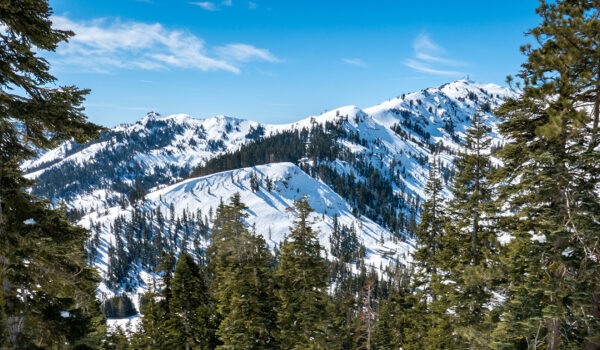
The avalanche struck at approximately 11:30 a.m. near terrain around Perry Peak and Castle Peak. Investigations described a slab of snow roughly 100 feet wide that traveled several hundred feet down the slope. The slide swept into members of the group and buried many of them under compacted snow. The force and speed of an avalanche can make survival difficult even for experienced people carrying standard rescue equipment.
Survivors immediately began searching for those who had been buried. Avalanche beacons, shovels and other rescue tools are designed to help companions locate buried skiers quickly, because the chances of survival decrease significantly as burial time increases. In this incident, the survivors managed to rescue several members of the group while continuing to face unstable terrain and worsening weather.
Six members of the 15-person party ultimately survived. Earlier reports sometimes gave different numbers while authorities were still gathering information, but later official accounts established that five clients and one guide survived the avalanche. The other nine members of the party were either recovered deceased or remained missing during the first stages of the rescue operation.
Emergency services were alerted soon after the avalanche occurred. Search-and-rescue teams faced difficult conditions from the beginning, including heavy snowfall, poor visibility, deep snow and the continued possibility of additional avalanches. These hazards also placed rescuers themselves at considerable risk and affected how quickly teams could safely move through the area.
A large multi-agency response was eventually organized. The Nevada County Sheriff’s Office worked with search-and-rescue teams, neighboring law-enforcement agencies, aviation units and avalanche specialists. The operation required coordination across rugged terrain while a major storm continued to affect the region.
Eight of the nine people who died were located during the initial phase of the response. However, worsening weather and continuing avalanche danger prevented crews from immediately removing all of the victims from the mountain. Officials had to balance the urgent need to recover those who had died with the responsibility to avoid placing additional rescuers in unnecessary danger.
Search teams were eventually forced to suspend operations temporarily because conditions became too hazardous. Continued snowfall and unstable slopes meant that rescuers could not safely remain in the area. Officials recorded the locations of the victims who had already been found and prepared to return when the weather and avalanche conditions allowed.
The recovery effort continued over several days. By February 21, authorities announced that all nine victims had been recovered from the mountain. Five were brought down during one phase of the operation, and the remaining four were recovered the following morning. Officials then formally released the identities of those who had died.
Nevada County Sheriff Shannan Moon described the loss as catastrophic and acknowledged the enormous impact on the victims’ relatives, friends and the mountain community. Authorities also praised the numerous rescuers and agencies that participated in the dangerous recovery effort during exceptionally difficult winter conditions.
Attention soon turned toward understanding why the avalanche occurred and how the group became exposed to such dangerous terrain. The Sierra Avalanche Center reviewed the incident, examining weather conditions, snowpack stability, terrain and the group’s movements. Its analysis raised important questions about the group’s exposure to avalanche terrain during a period of elevated danger.
Avalanche safety generally involves reducing the number of people exposed to a dangerous slope or runout zone at any given moment. Traveling one at a time through hazardous areas is one method commonly used to reduce the consequences if a slide occurs. Investigators examined whether the group’s positioning may have resulted in several people being exposed at the same time.
It is important, however, not to describe those findings as a final legal judgment that particular individuals definitively violated safety rules. Avalanche incidents are complex, and decisions are often made in rapidly changing conditions. Investigators have continued to examine the circumstances while distinguishing between possible risk-management errors and the much more serious legal question of criminal negligence.
Blackbird Mountain Guides also commissioned an independent investigation into the accident. That review examined the group’s planned route, terrain choices, weather conditions and other factors that may have influenced the decisions made that morning. According to reporting about the investigation, obstacles encountered along the planned route may have contributed to the group moving into terrain that was more exposed to avalanche danger.
The independent review did not reach a final conclusion about whether the avalanche was naturally triggered or caused by someone in the group. It also did not assign criminal responsibility. The company said its goal was to establish a detailed understanding of the event and share information with families and relevant authorities.
Avalanche airbags also became part of the discussion following the tragedy. Some members of the group were reportedly carrying airbag backpacks designed to inflate during an avalanche and help users remain closer to the surface of moving snow. Investigators reported that none of those airbags successfully deployed during the slide.
Although avalanche airbags can increase survival chances in certain situations, they are not a guarantee of safety. A large avalanche can carry people through trees, rocks or deep terrain traps, and burial can still occur even when specialized equipment is used. Rescue equipment should therefore be considered one layer of protection rather than a substitute for careful route selection and terrain management.
Months after the avalanche, medical findings provided a clear answer about how the nine victims died. Coroner records stated that every victim died from asphyxia caused by snow burial. In practical terms, the compacted snow surrounding them prevented them from obtaining enough oxygen.
Avalanche snow can become extremely dense once a slide stops moving. A buried person may be unable to move even a small part of their body, and breathing can become increasingly difficult. Survival depends on several factors, including how deeply someone is buried, whether an air pocket exists around the face and how quickly rescuers can locate and uncover the person.
The findings do not necessarily mean that each victim experienced identical circumstances beneath the snow. Publicly released reports were partially redacted, and not every medical detail has been made available. What authorities did establish was that snow burial and resulting oxygen deprivation were responsible for all nine deaths.
The avalanche became one of the deadliest such disasters in modern California history. The loss of nine people in a single backcountry event made the incident exceptional and prompted intense examination within the skiing and avalanche-safety community. At the same time, the tragedy should not be used to suggest that all backcountry skiing carries the same level of risk. Conditions, route choices, weather and terrain can vary enormously.
Separate official investigations were launched after the accident. The Nevada County Sheriff’s Office examined whether the circumstances surrounding the guided trip could potentially involve criminal negligence. California workplace-safety authorities also reviewed the incident because professional guides were working during the trip.
The opening of a criminal investigation did not mean that authorities had already concluded a crime occurred. Investigators gathered evidence, interviewed relevant people and reviewed available records before forwarding their findings to prosecutors. The legal standard for criminal negligence is significantly higher than simply identifying a mistake or poor judgment.
The sheriff’s investigation has since been completed and transferred to the Nevada County District Attorney’s Office. Prosecutors are responsible for reviewing the evidence and deciding whether any criminal charges are appropriate. As of the latest publicly available information described in the reporting, no charges had been filed.
That distinction is important. The fact that investigators submitted a case for prosecutorial review does not establish that anyone committed a crime. Prosecutors may decide to file charges, request additional investigation or conclude that the available evidence does not meet the legal standard required for prosecution.
The California workplace-safety investigation represents a separate process. Occupational-safety authorities can evaluate whether workplace rules and safety obligations were followed during a professional activity. Those findings do not automatically determine whether criminal responsibility exists, because the two processes apply different legal standards.
Blackbird Mountain Guides has publicly expressed grief over the deaths of both its guides and clients. The company has also emphasized the qualifications and training of the professional guides involved in the trip. Its public statements have called for a careful examination of the facts rather than speculation while formal investigations continue.
The avalanche has generated broader discussion about how guided backcountry groups should manage severe avalanche conditions. Topics include group size, route planning, exposure time, terrain selection and the decision-making process used when conditions deteriorate. These discussions may ultimately contribute to improved safety practices across the backcountry skiing community.
Still, safety analysis should remain separate from determining legal responsibility. An avalanche can result from a combination of natural conditions, human decisions and rapidly changing weather. Understanding those factors can improve future practices even when investigators do not conclude that a crime occurred.
For the families of those who died, the medical findings provided one clear answer while many broader questions remained. Their loved ones entered the mountains as experienced skiers participating in a professionally guided trip. Nine did not return, while six survived an event that unfolded in a matter of moments.
The three guides who died were also experienced members of the mountain community. Their loss affected fellow guides, rescue personnel, avalanche educators and people who had worked with them in the Sierra Nevada. The tragedy was therefore felt well beyond the immediate group involved in the avalanche.
The final medical conclusion is now clear. Andrew Alissandratos, Nicole Choo, Michael Henry, Carrie Atkin, Lizabeth Clabaugh, Danielle Keatley, Kate Morse, Caroline Sekar and Katherine Vitt all died from asphyxia caused by burial in avalanche snow.
The February 17 disaster remains both a human tragedy and the subject of continuing legal review. Nine people died, six survived, and rescue teams spent days working in severe conditions to recover those who were lost. Multiple investigations have since examined the decisions, terrain and environmental conditions surrounding the accident.
For now, the most accurate description separates confirmed information from unresolved questions. A 15-person guided group was caught in the avalanche near Castle Peak, nine people died from snow-burial asphyxia, and authorities later completed an investigation into whether criminal negligence may have been involved. Prosecutors must decide what, if anything, should happen next.
Until that legal review is complete, no individual or organization should be described as criminally responsible. The confirmed facts are already serious enough: a powerful avalanche struck during dangerous winter conditions, nine experienced members of a guided skiing group lost their lives, and six others survived one of the most devastating avalanche incidents in California’s recent history.
