
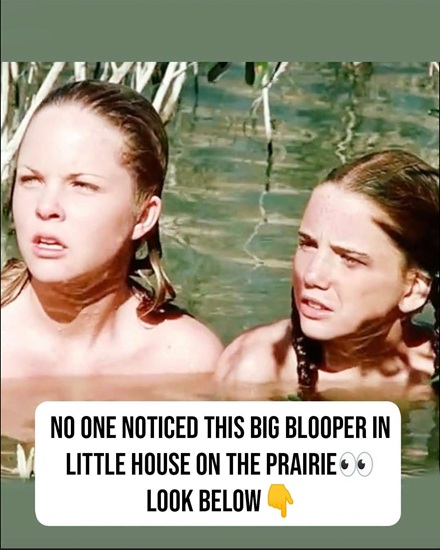
Little House on the Prairie is remembered as one of television’s most enduring family dramas. Inspired by Laura Ingalls Wilder’s books, the series brought a fictionalized version of nineteenth-century frontier life to millions of viewers through stories about family, friendship, hardship, responsibility and perseverance. Decades after its original television run, people continue discovering the program through reruns and streaming.
Watching it today, however, also makes it easier to notice small continuity errors, reused props, historical liberties and practical filmmaking techniques that audiences may not have spotted when episodes originally aired. Nellie Oleson became one of the most recognizable characters in Little House on the Prairie, thanks in large part to Alison Arngrim’s memorable performance. Her carefully styled blonde curls were an important part of Nellie’s distinctive appearance, but creating them was more complicated than viewers might imagine.
Arngrim has discussed the uncomfortable process used on her natural hair before production eventually turned to a wig. According to accounts included in the source material, the wig was secured using a large metal comb and numerous long hairpins. What appeared effortless on television therefore required considerable preparation behind the scenes.
Historical Accuracy Wasn’t Always Perfect
Like many historical television dramas, Little House on the Prairie occasionally mixed its nineteenth-century setting with visual details that reflected the era in which the program was actually produced. Certain hairstyles, grooming choices and pieces of clothing can appear more consistent with the 1970s or early 1980s than with frontier America. The relatively clean-shaven appearance of many male characters has also attracted attention from viewers comparing the series with historical photographs. These choices do not necessarily represent conventional “bloopers,” but they demonstrate the compromises television productions often make between historical authenticity, storytelling and contemporary audience expectations.
A Train Scene Revealed an Old-School Television Trick
Season five’s “The Odyssey” contains an action sequence that becomes particularly interesting when watched carefully. During the confrontation involving Albert and a moving train, Laura intervenes when another character threatens him. The scene is intended to be dramatic, but viewers examining it closely can notice the practical techniques used to create the dangerous-looking fall. The supplied material describes a dummy being used during part of the sequence, while a stunt performer handles another portion of the action. It is a fascinating example of how television productions created convincing action long before computer-generated effects became commonplace.
Laura and Nellie’s Real Relationship Was Completely Different
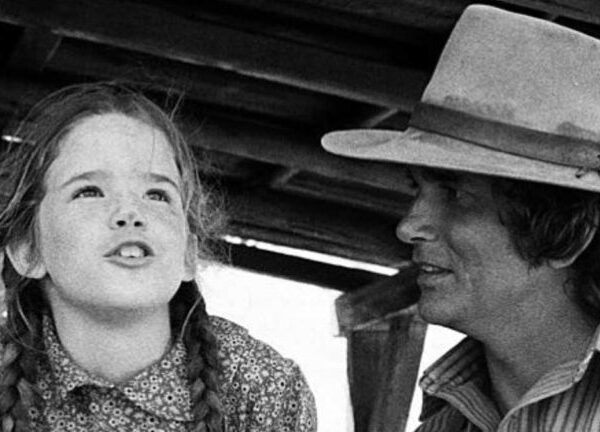
Laura Ingalls and Nellie Oleson were frequent rivals on screen. Their arguments and dramatically different personalities became an important part of the series, which makes the performers’ real-life relationship especially interesting. Melissa Gilbert and Alison Arngrim reportedly became close friends while working together. The supplied material describes the two spending time together away from filming, having sleepovers and occasionally playing pranks on their colleagues. Their friendship demonstrates just how convincingly the actresses performed their fictional rivalry. Once the cameras stopped, the hostility audiences associated with Laura and Nellie apparently disappeared.
Michael Landon Was Known for Humor Behind the Cameras
Michael Landon had enormous creative responsibilities on Little House on the Prairie, while also portraying Charles Ingalls. Despite the serious and emotional nature of many episodes, accounts from cast members suggest that filming could include plenty of humor. Rachel Greenbush, who portrayed Carrie Ingalls, is connected in the supplied material with one particularly unusual story involving frogs collected near the set. According to that account, Landon sometimes put the frogs in his mouth before approaching unsuspecting cast or crew members and allowing them to jump out. The unusual prank became one of many behind-the-scenes stories associated with the production.
The Mysteriously Traveling Quilt
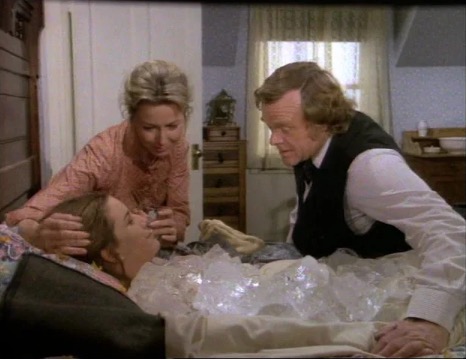
Not every continuity issue involved performers. Props were regularly reused during television production, particularly when a series produced many episodes under demanding schedules. Observant Little House viewers have noticed what appears to be the same distinctive quilt appearing in several different locations. According to the supplied account, the mostly white quilt, featuring a pattern resembling a double-wedding-ring design, appears on beds belonging to different characters. Fans have also pointed out apparent inconsistencies in the routes characters take through Walnut Grove. These details were much easier to overlook during weekly television broadcasts than they are today when viewers can repeatedly pause and replay episodes.
Dean Butler Had a Frightening Introduction to the Series
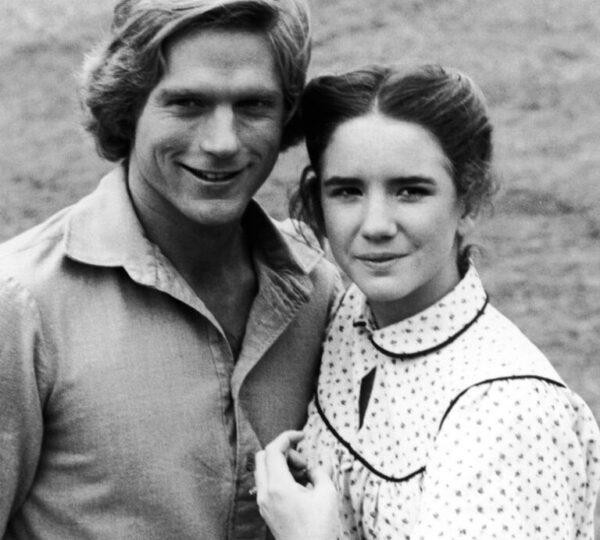
Dean Butler, who portrayed Almanzo Wilder, experienced an unexpectedly dangerous moment shortly after joining the production. Butler later recalled being required to drive a horse-drawn wagon downhill despite having limited experience doing so. During the attempt, his hat blew away and he instinctively reached for it, losing control of the reins. The horses then headed toward a tree before a crew member was able to intervene. According to Butler’s recollection, Michael Landon subsequently performed the driving portion himself. The incident illustrates how seemingly straightforward frontier scenes could involve genuine practical challenges when horses and wagons were being used.
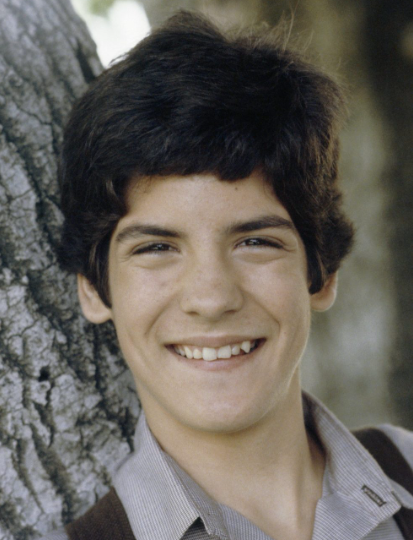
Albert Ingalls’ Story Still Generates Discussion
Albert Quinn Ingalls, portrayed by Matthew Labyorteaux, became an important character after joining the Ingalls family. His later storyline remains one of the more debated parts of the franchise. In the 1983 television movie Little House: Look Back to Yesterday, Albert becomes seriously ill with leukemia. However, the story does not provide audiences with a simple on-screen death scene that conclusively resolves everything. As the supplied material notes, this has contributed to continued discussion about precisely how viewers should interpret Albert’s ultimate fate and later continuity references. It remains one of the show’s best-known unresolved questions.
Imperfections Are Part of Revisiting a Classic
Finding these details does not necessarily make Little House on the Prairie less enjoyable. Instead, they offer another perspective on how a major television production was created during the 1970s and 1980s. Practical stunts, reused costumes and props, demanding shooting schedules and occasionally inconsistent continuity were ordinary realities of television production. Modern audiences also have advantages that original viewers did not: episodes can now be paused, replayed and examined frame by frame, making tiny inconsistencies much easier to discover.
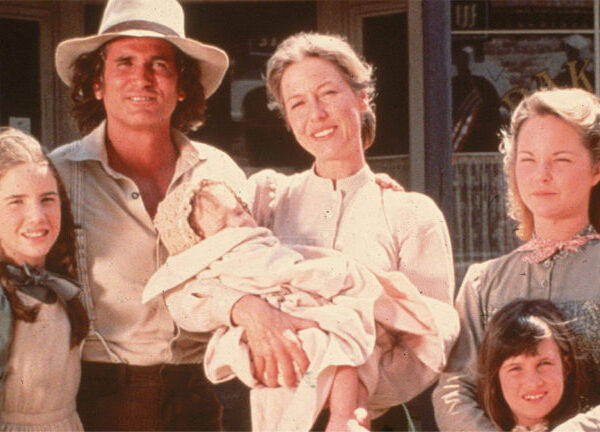
Ultimately, Little House on the Prairie continues to attract attention because audiences connected with its characters and stories, not because every historical or production detail was flawless. Its portrayal of the Ingalls family emphasized resilience, relationships, personal responsibility and community, while the people making the program created plenty of memorable stories of their own behind the cameras. Discovering a reused quilt, an obvious stunt technique or an unexpected friendship between fictional rivals adds another layer to the experience. Rather than changing the meaning of the series, these details provide an entertaining glimpse at the very human process behind one of television’s most familiar portrayals of frontier life.

