
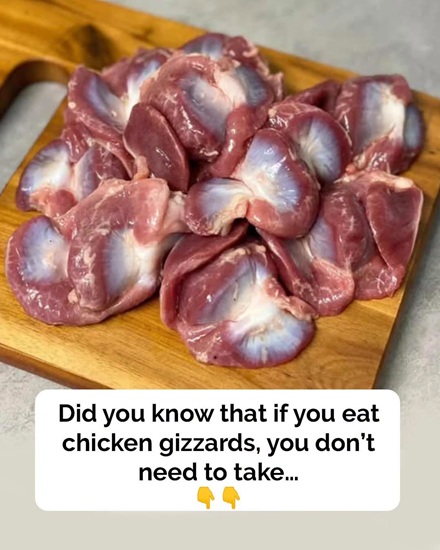
Chicken gizzards are one of those foods that many people overlook simply because they are classified as organ meat. They do not have the same popularity as chicken breast, thighs, or wings, yet they can be nutritious, flavorful, and relatively affordable depending on where they are purchased. A gizzard is a muscular part of a bird’s digestive system, and its dense texture reflects the amount of work it performs. When cleaned and cooked properly, gizzards can become tender and satisfying rather than tough or unpleasant.
Birds do not chew food the way humans do because they do not have teeth. Instead, food moves through their digestive system and eventually reaches the gizzard, where strong muscular contractions help grind it down. Small particles of grit can also assist with this process. That is why the gizzard is naturally firmer than many other cuts of poultry. Its structure makes cooking technique especially important, since quick cooking alone can leave it chewy.
From a nutritional standpoint, chicken gizzards provide a useful amount of high-quality protein along with several vitamins and minerals. They can contribute vitamin B12, iron, zinc, selenium, phosphorus, and other nutrients to the diet. They are not a miracle food and do not need exaggerated claims to be worthwhile. Their real advantage is that they combine solid nutrition with versatility and, in many places, a lower price than more popular cuts of meat.
Protein is one of the main reasons people may choose to eat gizzards. Protein helps support normal tissue maintenance, muscle repair, enzymes, hormones, and many other essential functions in the body. The exact amount varies depending on portion size and preparation, but cooked gizzards can provide a substantial amount. They can therefore fit well into a balanced diet for people looking for another source of animal protein.
Chicken gizzards also provide vitamin B12, which is important for normal nerve function, DNA production, and the formation of healthy red blood cells. Animal foods are among the natural dietary sources of B12, so gizzards can contribute to total intake. That does not mean they should be used as a treatment for a diagnosed vitamin deficiency, since some deficiencies are related to absorption problems and may require medical evaluation.
Iron is another important nutrient present in gizzards. The body uses iron to produce hemoglobin, which allows red blood cells to carry oxygen. Animal foods provide heme iron, which is generally absorbed more efficiently than the nonheme iron found in plant foods. Gizzards can therefore contribute useful dietary iron, although they should not be described as guaranteed protection against anemia, since anemia can have many different causes.
Zinc and selenium are also part of the nutritional profile. Zinc contributes to normal immune function, wound healing, DNA synthesis, and growth. Selenium plays roles in thyroid hormone metabolism, antioxidant systems, and other biological processes. These nutrients are important, but it is more accurate to say they support normal body functions than to claim that gizzards “boost” immunity in a special or unique way.
Plain chicken gizzards can also be relatively lean, especially compared with some fattier cuts of meat. The finished meal, however, depends heavily on preparation. Simmered or braised gizzards will have a different nutritional profile from heavily breaded and deep-fried ones. Added oil, butter, sauces, and sodium can change the overall calorie and fat content substantially.
One of the biggest advantages of gizzards is that they can be inexpensive. Prices vary by country, retailer, season, and availability, so it would be misleading to promise a specific price everywhere. Still, in many markets, organ meats cost less than premium cuts. That can make gizzards useful for people looking to stretch a food budget without giving up protein.
The main challenge is texture. Because a gizzard is such a hardworking muscle, it can be firm and chewy if cooked too quickly. Long, moist cooking usually produces a better result. Simmering, braising, slow cooking, or pressure cooking can soften the meat and make it easier to chew. Once tender, it can be finished in a pan, grilled, fried, or added to another dish.
A simple approach is to simmer cleaned gizzards in water or broth with onions, garlic, herbs, and spices. The cooking time can vary depending on size and temperature, so checking tenderness is more useful than relying on one exact number. Once soft enough, the gizzards can be sliced and added to soups, stews, rice dishes, or gravies.
Braising is another effective method. Gizzards can be cooked slowly in a flavorful liquid containing ingredients such as tomatoes, stock, herbs, peppers, or onions. This technique gives the meat time to soften while absorbing the flavors around it. It is particularly useful for people trying gizzards for the first time and wanting a less chewy texture.
Fried gizzards are also popular in some regions. A common method is to tenderize them first, coat them in seasoned flour, and then fry them until crisp on the outside. This creates a strong contrast between the crunchy coating and tender interior. Because frying adds fat and calories, it is better understood as one preparation option rather than the healthiest or only way to cook them.
Tenderized gizzards can also work well in stir-fries. After simmering or pressure cooking, they can be sliced thinly and quickly sautéed with vegetables such as onions, peppers, cabbage, or carrots. Garlic, ginger, chili, soy-based sauces, or other seasonings can be added depending on the style of the dish. Serving them with rice or noodles can turn a small amount of meat into a complete meal.
Grilling is another possibility. Gizzards can be marinated with ingredients such as garlic, herbs, citrus, vinegar, or soy sauce and then cooked over high heat once tenderized. Skewering smaller pieces makes them easier to handle. Because they are poultry, proper cooking remains important regardless of the method used.
Slow cookers can also be useful for gizzards. Their dense texture responds well to extended cooking in broth with vegetables and seasonings. This method requires little active preparation and can produce very soft meat. The finished gizzards can be eaten as part of a stew or removed and used in another recipe.
Different cuisines use gizzards in many ways. Filipino-style adobo can combine them with vinegar, soy sauce, garlic, and spices. Other traditions use them in soups, grilled skewers, rice dishes, gravies, salads, or fried preparations. Their strong texture and savory flavor allow them to work with bold seasonings.
Their classification as organ meat also means there are some dietary considerations. Organ meats can contain purines, which the body breaks down into uric acid. People with gout may be advised to limit high-purine foods, depending on their medical situation. Anyone managing gout should follow individualized guidance rather than assuming that a nutritious food is automatically suitable in unlimited amounts.
Gizzards also contain dietary cholesterol. Modern nutrition guidance does not treat dietary cholesterol as the only factor affecting heart health, since saturated fat intake, genetics, overall dietary pattern, body weight, and other factors all matter. Still, people who have received specific medical advice to limit certain foods should follow that guidance.
Food safety is especially important because gizzards are poultry. Raw chicken products can carry harmful bacteria, so they should be handled carefully. Hands, knives, cutting boards, and counters that contact raw gizzards should be cleaned properly before touching ready-to-eat food. Raw poultry should also be kept separate from foods that will not be cooked.
Cooking temperature matters as well. Poultry giblets should be cooked to a safe internal temperature of 165°F, or about 74°C. A food thermometer is the most reliable way to check. This is especially important with thick pieces, because appearance alone does not always confirm that the center has reached a safe temperature.
Washing raw poultry under running water is generally discouraged because splashing can spread bacteria around the sink and nearby surfaces. Proper cooking is what destroys harmful microorganisms. Good kitchen hygiene is more important than rinsing the meat.
Another claim that deserves more nuance is the idea that organic chicken is the only safe choice because of antibiotic resistance. Antimicrobial resistance is a serious public-health issue, but choosing organic poultry is not a complete solution. Conventional and organic poultry both still require proper handling and cooking. Organic production may matter to some consumers for other reasons, but it is not necessary for gizzards to be nutritious.
It is also better not to call chicken gizzards a “superfood.” That term has no standard scientific definition and often creates unrealistic expectations. Gizzards are better described as a nutrient-dense animal food that provides protein and several useful micronutrients. They can be part of a healthy eating pattern, but they do not cure disease or offer unique benefits that cannot be obtained from other foods.
For people who are unfamiliar with gizzards, the best starting point may be a slow-cooked or braised recipe. These methods reduce the chance of ending up with a tough texture. Once someone becomes comfortable with them, grilled, stir-fried, or fried versions can offer different flavors and textures.
Their affordability can also make them practical for batch cooking. A larger amount can be simmered until tender, divided into portions, and then used in several meals. One portion might go into soup, another into a stir-fry, and another into a rice dish. This can save time while helping reduce food costs.
Chicken gizzards also fit into the broader idea of using more parts of an animal rather than relying only on the most familiar cuts. In many cultures, organ meats have long been part of everyday cooking rather than treated as unusual. Using them can add variety to meals and reduce waste.
The main takeaway is simple. Chicken gizzards are not for everyone, but they deserve a fair chance. They provide substantial protein, contain useful vitamins and minerals, and can be inexpensive depending on the market. Their texture is firmer than more common poultry cuts, but the right preparation can make a major difference.
People with gout, specific cholesterol concerns, or other medical conditions may need personalized dietary advice. Everyone else who enjoys the flavor can treat gizzards as one more option within a varied diet rather than as a miracle food or something to fear simply because it is organ meat.
When prepared safely and cooked patiently, chicken gizzards can be flavorful, tender, versatile, and practical. Whether they are simmered, braised, grilled, stir-fried, or fried occasionally, they can turn an overlooked ingredient into a satisfying meal without needing exaggerated health promises.

