
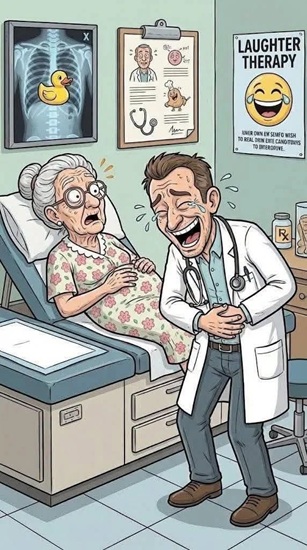
The waiting room of the private medical clinic was unusually peaceful that Tuesday morning. Soft instrumental music played quietly through hidden speakers, magazines were neatly arranged on polished wooden tables, and patients waited patiently for their appointments. Among them sat an elegant elderly woman whose calm appearance reflected decades of discipline, grace, and quiet confidence. At eighty years old, she carried herself with remarkable dignity despite the uncomfortable problem that had finally convinced her to seek professional help.
For several weeks she had been dealing with a persistent itch that refused to disappear. At first she dismissed it as a minor irritation that would resolve on its own, but as the days passed it became increasingly distracting. Simple daily activities became more difficult, sleep was interrupted, and she finally decided that consulting a physician was the most sensible course of action. Although she disliked visiting doctors unless absolutely necessary, she believed that proper medical advice was always preferable to guessing.
When the nurse called her name, she entered the examination room with quiet confidence. A young physician greeted her warmly and asked about her symptoms. She carefully described when the irritation had begun, how it had progressed, and the various home remedies she had already tried without success. The doctor listened briefly while making notes before offering what he believed was a straightforward explanation for her condition.
According to the physician, her symptoms resembled those commonly associated with a parasitic skin condition. He began writing a prescription while casually explaining his preliminary impression. Before he could finish speaking, however, the woman politely but firmly interrupted him. She explained that, based on her own life experience and personal history, she believed such a diagnosis simply did not fit her circumstances.
With remarkable composure, she explained that she had lived her entire life according to deeply held personal values. She told the doctor that she had never married and had remained a virgin throughout her life. Because of that, she believed there had to be another explanation for her symptoms. Her response surprised the physician, who realized that a more careful evaluation might be appropriate before reaching any final conclusions.
Rather than arguing with the diagnosis, the woman thanked the doctor for his time and decided to seek another medical opinion. She believed that healthcare often benefits from careful evaluation, particularly when symptoms appear inconsistent with an initial assessment. Hoping another physician might take a more detailed approach, she scheduled an appointment with a specialist at another clinic across town.
The second physician had many more years of medical experience and carefully reviewed the information available before discussing her symptoms. Once again, the woman patiently described everything she had experienced over the previous weeks. She answered every question honestly and cooperated fully throughout the consultation. Although the discussion was more detailed than the first appointment, she still felt that important aspects of her personal history were not being fully considered.
As the consultation continued, the second doctor suggested a diagnosis similar to the first. Once again, the elderly woman respectfully explained why she believed the conclusion did not match her own circumstances. She emphasized that she was not questioning medical science itself but simply asking whether other possibilities should also be considered before reaching a final diagnosis.
Although the conversation remained courteous, the woman left the office feeling disappointed rather than reassured. She appreciated the doctor’s professionalism but continued believing that something important had been overlooked. Instead of becoming discouraged, she decided that obtaining a third opinion would be the wisest choice. After all, medicine often benefits from careful examination, thoughtful discussion, and attention to individual circumstances.
Several days later, she arranged an appointment with another physician who had earned a reputation for conducting thorough examinations and avoiding quick assumptions. As she walked into the consultation room, she felt cautiously optimistic. More than anything else, she hoped this appointment would finally provide a clear explanation for her symptoms and bring an end to the uncertainty that had followed her from one doctor’s office to the next.
The third physician welcomed the elderly woman with patience and professionalism, encouraging her to describe her symptoms from the very beginning. Rather than interrupting, he carefully listened to every detail, asked thoughtful questions about her medical history, and reviewed the notes from her previous appointments. His calm approach immediately reassured her that this consultation would be different from the earlier ones. She appreciated that he seemed interested in understanding the complete picture before suggesting any explanation.
Before the examination began, the woman once again explained why she had disagreed with the earlier opinions. She emphasized that throughout her eighty years she had lived according to her personal principles and believed that her life history should be considered alongside any medical findings. The physician acknowledged her concerns respectfully and explained that a careful examination was the best way to determine the actual cause of her discomfort rather than relying on assumptions.
The doctor then performed a thorough examination while maintaining a respectful and professional manner throughout the appointment. The room remained quiet as he carefully evaluated the symptoms and reviewed every possibility. Unlike the earlier consultations, he avoided making immediate conclusions and instead focused on gathering enough information before offering an opinion. The woman’s patience was rewarded by the doctor’s thoughtful and methodical approach.
After completing the examination, the physician returned to his desk to organize his observations. The elderly woman waited quietly, hoping that this appointment would finally provide a clear answer. Although she was naturally curious about the results, she appreciated that the doctor was taking the time necessary to reach a careful conclusion. His deliberate approach inspired far more confidence than quick assumptions ever could.
A few moments later, the doctor smiled reassuringly and explained that he did not believe the earlier diagnoses accurately reflected her situation. He told her that her symptoms appeared to have a different explanation and that additional evaluation could help determine the exact cause if necessary. Hearing those words immediately eased much of the anxiety she had been carrying from one appointment to another.
Relieved, the woman smiled for the first time since arriving at the clinic. She thanked the physician for listening carefully and for treating her concerns with respect. The experience reminded her that effective healthcare depends not only on medical knowledge but also on communication, patience, and a willingness to consider each patient’s individual circumstances before reaching conclusions.
As the appointment drew to a close, the doctor shared one final light-hearted remark intended simply to bring a smile to the end of an otherwise stressful experience. The elderly woman laughed warmly, appreciating that a little humor had helped transform a frustrating series of doctor visits into a memorable story she would one day tell her friends. The joke was delivered in good spirit, and both understood it as harmless humor rather than a serious medical explanation.
Leaving the clinic, she reflected on everything that had happened over the previous several days. Although the experience had begun with confusion and frustration, it ultimately reinforced her belief that seeking a second—or even third—medical opinion can sometimes be valuable when questions remain unanswered. Every physician brought different experience and perspective, and careful evaluation often leads to better understanding.
The story also highlights an important lesson about communication between patients and healthcare professionals. Listening carefully, asking questions, and considering a person’s complete medical history are essential parts of responsible medical practice. Likewise, patients should feel comfortable discussing their concerns openly and respectfully while working together with qualified healthcare providers to reach accurate diagnoses based on evidence.
In the end, the elderly woman returned home with renewed peace of mind and a humorous memory she would never forget. What began as an uncomfortable medical concern became an amusing reminder that patience, respectful conversation, and a willingness to seek additional opinions can sometimes turn even the most frustrating situations into stories worth sharing. Most importantly, the fictional tale reminds readers to approach real health concerns by consulting qualified medical professionals rather than relying on jokes or assumptions.

