
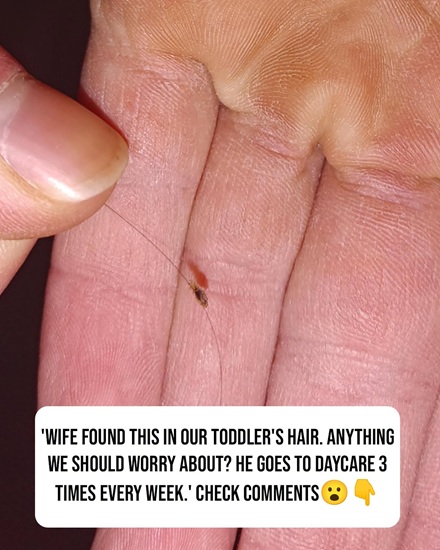
Head lice are among the most common childhood health concerns worldwide, particularly among children attending preschool and elementary school. Although discovering head lice can be upsetting for both children and parents, medical experts emphasize that lice are not a sign of poor hygiene or an unhealthy home. They are small parasitic insects that feed on tiny amounts of blood from the scalp and spread primarily through direct head-to-head contact. While they can cause itching and discomfort, they are not known to transmit serious diseases.
Many families first become aware of head lice after noticing that a child repeatedly scratches their scalp. Sometimes a school nurse, teacher, or another parent reports that lice have been found among classmates. Because children often play closely together, participate in group activities, and frequently touch heads while reading, taking photos, or playing games, schools and childcare settings provide opportunities for lice to spread from one person to another.
Public health experts explain that head lice are especially common among children between the ages of three and eleven. After school holidays or summer vacations, children return having spent time at camps, playgrounds, sports activities, sleepovers, and family gatherings. Increased social interaction during these periods may create additional opportunities for head-to-head contact, allowing lice to spread before anyone notices symptoms.
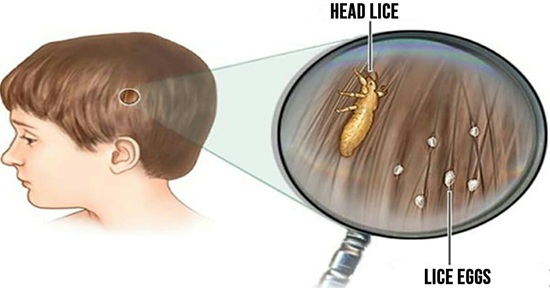
One of the most common misconceptions is that head lice can jump or fly from one person to another. In reality, lice cannot jump, fly, or hop. Instead, they crawl using specially adapted legs that allow them to grip human hair. Direct contact between heads remains the primary method of transmission. This is why health organizations consistently emphasize minimizing prolonged head-to-head contact whenever an active infestation has been identified.
Another widespread myth is that lice are commonly spread through hats, combs, pillows, helmets, or hair accessories. While this type of transmission is theoretically possible, medical authorities such as the U.S. Centers for Disease Control and Prevention (CDC) and other public health agencies note that it is considered relatively uncommon. Head lice survive best on the human scalp, where they have access to warmth and a food source. Once separated from the scalp, they generally survive for only a short period.
The most frequent symptom of head lice is itching of the scalp. However, itching does not always appear immediately after infestation. Medical experts explain that many people develop itching only after their immune system reacts to substances in the lice’s saliva, a process that may take several weeks during a first infestation. As a result, someone may unknowingly carry lice before any symptoms become noticeable.
Other possible signs include a tickling sensation in the hair, difficulty sleeping due to nighttime itching, redness caused by scratching, or small sores that develop if scratching becomes persistent. Not everyone experiences symptoms, and some individuals discover lice only during routine hair checks performed at home or school. This is one reason why regular scalp inspections are recommended when lice are circulating within a classroom or household.
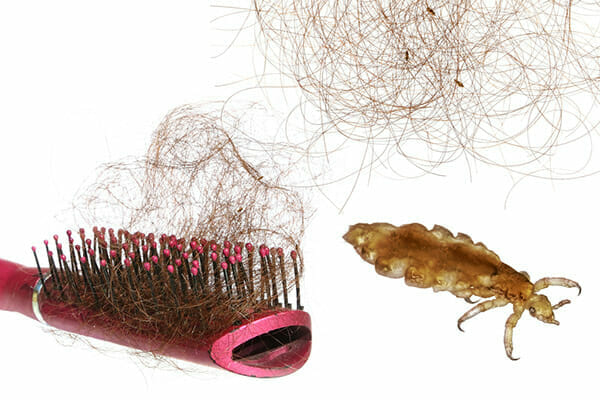
Detecting lice requires careful examination under good lighting. Adult lice are typically about two to three millimeters long and may appear gray, tan, brown, or darker depending on lighting and whether they have recently fed. Because they move quickly and often avoid light, they can sometimes be difficult to see. Healthcare professionals frequently recommend using a fine-toothed lice comb because it improves the likelihood of finding live lice compared with visual inspection alone.
Lice eggs, commonly called nits, are usually attached firmly to individual hair shafts very close to the scalp. They are tiny, oval-shaped, and may appear yellowish, brown, or whitish depending on whether they contain a developing louse or have already hatched. Unlike dandruff, nits cannot be easily brushed away because they are glued securely to the hair by the female louse.
Medical professionals emphasize an important distinction between finding live lice and finding only empty eggs. Empty egg casings can remain attached to the hair after the lice have already hatched and the infestation has ended. Therefore, treatment decisions should generally focus on confirming the presence of live lice rather than relying solely on old, empty nits. If there is uncertainty, families should seek guidance from a healthcare provider, pharmacist, or school health professional.
Early identification plays an important role in limiting the spread of head lice within households and schools. Routine hair checks, prompt treatment when live lice are found, and following evidence-based medical recommendations can help reduce transmission while avoiding unnecessary treatments. Understanding how lice actually spread also helps replace common myths with accurate information, allowing families to respond calmly and effectively if an infestation occurs.
Once head lice have been confirmed by finding live lice, prompt treatment can help prevent further spread within the household. Medical experts generally recommend treating only individuals with an active infestation rather than treating every family member automatically. However, everyone living in the same home should have their hair carefully examined, since close family members have a greater chance of exposure through regular head-to-head contact.
Healthcare providers often recommend using an approved lice treatment when appropriate, followed by careful combing with a fine-toothed lice comb. The comb helps remove live lice and many of the attached eggs from the hair. Because newly hatched lice may emerge several days after the initial treatment, many treatment products require a second application approximately one week later, depending on the specific product instructions. Following the directions carefully is important for achieving the best results.
Wet combing is another approach recommended in some situations. This method involves applying conditioner to wet hair and using a specialized lice comb to systematically comb small sections from the scalp to the ends of the hair. The process is repeated every few days over several weeks to remove newly hatched lice before they become mature enough to lay additional eggs. While this method requires patience and consistency, some families choose it as part of their lice management routine.
It is important to understand that home remedies such as mouthwash, vinegar, mayonnaise, olive oil, essential oils, or similar household products are not considered proven first-line treatments by major public health organizations. Although many home remedies are discussed online, current scientific evidence supporting their effectiveness is limited or inconsistent. Parents should exercise caution before trying unproven treatments, particularly on young children, and should consult a healthcare professional if they have questions about the safest and most effective options.
Cleaning the home after a lice diagnosis does not require extreme measures. Since head lice survive only a relatively short time away from the human scalp, public health authorities generally recommend washing recently used pillowcases, hats, bedding, and clothing in hot water when practical. Items that cannot be washed may be sealed in a plastic bag for several days if recommended. Vacuuming furniture and floors can also help remove stray hairs, but extensive household disinfection or pesticide spraying is not recommended because lice do not survive long in the environment.
Schools and childcare centers play an important role in limiting transmission through education and communication. Many schools encourage parents to check children’s hair regularly when lice have been identified in a classroom. At the same time, medical organizations increasingly advise against policies that unnecessarily exclude children from school after treatment has begun, since head lice are common and are not associated with poor hygiene or serious illness. Keeping children engaged in their education while managing treatment responsibly helps reduce unnecessary stigma.
Parents can also take practical steps to reduce the risk of transmission. Encouraging children to avoid prolonged head-to-head contact during play, sleepovers, group selfies, or other close activities may help lower the chance of lice spreading. While sharing hats, hairbrushes, helmets, or hair accessories is not considered the primary route of transmission, encouraging children to use their own personal items remains a sensible hygiene practice.
Equally important is addressing the emotional side of a lice diagnosis. Many children feel embarrassed or worried when they discover they have head lice, especially if classmates become aware of the situation. Parents, teachers, and caregivers can help by explaining that lice are a common childhood problem affecting millions of families every year. Responding calmly and avoiding blame helps children feel supported rather than ashamed.
Healthcare professionals also recommend contacting a doctor or pharmacist if treatment does not appear to work, if repeated infestations occur, if signs of skin infection develop from scratching, or if there is uncertainty about whether live lice are still present. In some cases, prescription treatments may be appropriate when standard therapies are unsuccessful or when resistance to certain products is suspected.
Researchers continue studying improved methods for diagnosing, treating, and preventing head lice. Advances in medical treatments and greater public understanding have made managing infestations easier than in previous decades. At the same time, education remains one of the most effective tools for reducing unnecessary anxiety and correcting common misconceptions surrounding head lice.
Ultimately, although discovering head lice can be frustrating, it is a manageable condition when approached with accurate information and evidence-based treatment. Understanding how lice spread, recognizing the signs of an active infestation, and following guidance from healthcare professionals can help families respond effectively while minimizing disruption to daily life. With patience, proper treatment, and good communication, most infestations can be successfully resolved, allowing children to return to their normal routines safely and confidently.

