When people think of successful actors, they often focus on awards, memorable performances, and red-carpet appearances. It is easy to assume that fame and financial success shield public figures from hardship. In reality, many actors have spoken openly about facing significant personal struggles long before achieving success. Their careers may bring recognition, but they do not erase difficult childhood experiences, family challenges, or battles with addiction.
Josh Brolin is one of several well-known actors who has chosen to discuss these experiences publicly, offering readers a more complete picture of his life beyond Hollywood. Josh Brolin, born on February 12, 1968, is widely recognized for his performances in films such as No Country for Old Men, Milk, True Grit, Sicario, Deadpool 2, Dune, and the Marvel Cinematic Universe, where he portrayed Thanos. Throughout his career, he has earned critical acclaim for playing a wide variety of complex characters.
While audiences often associate him with these successful roles, Brolin has repeatedly emphasized that his path to becoming one of Hollywood’s most respected actors was far from straightforward. His recently published memoir, From Under the Truck, provides a personal reflection on many of the experiences that shaped his life.
Rather than presenting only stories about film sets and celebrity life, the memoir explores Brolin’s childhood, family relationships, personal mistakes, and eventual recovery from addiction. Throughout the book, he reflects on events that influenced his outlook on life and the lessons he learned over many years. By sharing these memories, Brolin invites readers to understand the difference between a public image and the personal experiences that often remain unseen behind a successful career.

One of the most discussed sections of the memoir involves Brolin’s recollections of his mother, Jane Cameron Agee, who worked as a wildlife conservationist. According to Brolin’s account, his childhood included unusual experiences living close to wildlife. He recalls moments when his mother would jokingly encourage nearby wild animals—including coyotes, bobcats, and cougars—to chase him and his brother. Brolin describes these memories from his own perspective, emphasizing that although they were frightening at the time, they also reflected the unconventional environment in which he was raised. As with any memoir, these accounts represent the author’s personal recollections of past events.
Brolin has explained in interviews that his relationship with his mother was deeply complicated. Although he describes difficult moments from his childhood, he has also spoken about loving her and wanting her presence in his life despite the challenges they experienced together. Human relationships, especially between parents and children, are often complex and cannot easily be summarized as entirely positive or entirely negative. Brolin’s reflections acknowledge both the affection he felt for his mother and the emotional difficulties that shaped their relationship over the years.
In 1995, Jane Cameron Agee died in a car accident at the age of 55. Her death had a lasting impact on Brolin, who has said that it caused him to reflect on life, mortality, and his own future. In interviews promoting his memoir, he explained that during periods when he struggled with alcohol addiction, he once believed reaching the age of 55 would represent a long life. Looking back now, he says his perspective has changed completely. Having grown older than his mother was when she died, he has described realizing just how much life can still offer beyond that age.
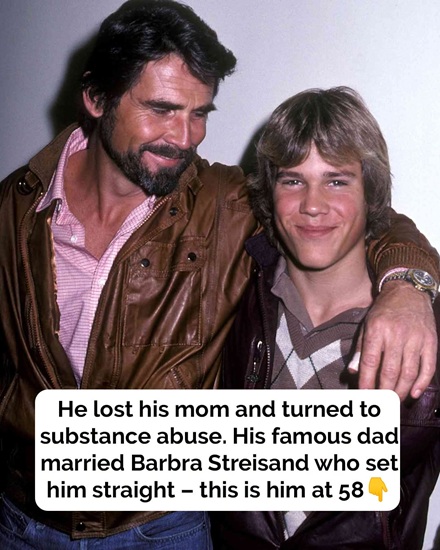
Another important figure in Brolin’s family life is his father, actor James Brolin, whose long career in film and television spans several decades. James Brolin later married legendary singer and actress Barbra Streisand, making her Josh Brolin’s stepmother. Josh has occasionally spoken publicly about their relationship, describing Streisand as someone willing to offer honest advice even when it was difficult to hear. One story he has shared involves asking for a glass of wine after he had stopped drinking. According to Brolin, Streisand responded by asking whether an alcoholic should be drinking at all. He has since described the conversation as an example of “tough love” rather than criticism.
Brolin has said that, with time, he came to appreciate those direct conversations. Recovery often involves support from family members and friends who are willing to speak honestly about difficult subjects. Looking back, he has explained that what once felt uncomfortable now represents an important reminder of the accountability that helped him remain focused on sobriety. His reflections highlight the role that supportive relationships can play in long-term personal growth, particularly for individuals working to overcome addiction.
While From Under the Truck includes many challenging memories, it is ultimately a story about resilience, self-reflection, and change. Rather than portraying himself as someone without flaws, Brolin openly discusses mistakes, regrets, and the gradual process of learning from them. His willingness to share these experiences offers readers insight into how personal growth often develops over many years through honesty, accountability, and perseverance. Behind the successful acting career is the story of an individual who continues to evolve both personally and professionally.
As Josh Brolin’s acting career continued to grow, he also faced personal challenges that he has discussed openly in interviews and in his memoir. Among the most significant was his long struggle with alcohol and substance use. Rather than hiding this chapter of his life, Brolin has chosen to speak honestly about it, explaining that recovery required time, accountability, and a willingness to change. His reflections have resonated with many readers because they focus not on perfection, but on the ongoing process of learning from difficult experiences and making healthier choices.
In From Under the Truck, Brolin writes that his exposure to drugs and alcohol began at a young age. He recalls experimenting with marijuana as a child and later trying other substances during his teenage years. These experiences are presented as personal memories rather than recommendations or excuses, and Brolin makes it clear that the decisions he made during those years carried serious consequences. Looking back, he has said that he now understands how easily early experimentation can develop into long-term addiction, something that affected many aspects of his life for years.
One of the turning points described by Brolin involved a deeply emotional family moment. He has shared that he arrived at his grandmother’s bedside while she was nearing the end of her life after a night of heavy drinking. Reflecting on that experience, Brolin has explained that he felt disappointed in himself and recognized that his addiction was affecting not only his own life but also the people he cared about most. He has described this moment as one of several important experiences that motivated him to seriously commit to recovery.
Since achieving sobriety in 2013, Brolin has frequently spoken about the positive changes it has brought to his personal and professional life. In interviews, he has said that he enjoys life more without alcohol and that facing challenges with a clear mind has helped him become more present for his family and his work. He has also emphasized that recovery is not about becoming perfect but about making healthier decisions one day at a time. His comments reflect the understanding shared by many recovery professionals that maintaining sobriety is an ongoing commitment rather than a single event.
During the years that followed, Brolin continued building an impressive acting career while balancing family life. He appeared in a wide range of critically acclaimed films, demonstrating remarkable versatility across different genres. Whether portraying complex dramatic characters or major roles in large-scale productions, he earned praise for the depth and authenticity of his performances. At the same time, he has often explained that personal fulfillment comes not only from professional success but also from maintaining meaningful relationships and protecting the stability he has worked hard to build.
Brolin has also expressed appreciation for growing older, describing age as an opportunity to develop greater perspective. In several interviews promoting his memoir, he noted that he no longer feels the same pressure to constantly prove himself. Instead, he has learned to value patience, reflection, and emotional balance. This outlook contrasts sharply with the uncertainty he describes from earlier periods of his life and illustrates how his priorities have evolved over the years.
His memoir also reminds readers that people’s lives are rarely defined by a single chapter. While childhood experiences can have a lasting influence, they do not determine every future outcome. Brolin acknowledges the challenges he faced while also recognizing the many individuals who supported him throughout different stages of his life. By sharing both his successes and his setbacks, he presents a balanced account that emphasizes personal responsibility, resilience, and the possibility of positive change over time.
Today, Josh Brolin is recognized not only for his contributions to film but also for his willingness to discuss difficult subjects with honesty. His story highlights the importance of seeking help when needed, maintaining supportive relationships, and understanding that recovery often involves continuous effort. Rather than portraying his life as a simple journey from hardship to success, he presents it as an ongoing process of growth shaped by both painful experiences and meaningful achievements.
Ultimately, From Under the Truck offers more than behind-the-scenes stories from Hollywood. It provides a thoughtful reflection on family, loss, addiction, forgiveness, and personal development. Through his own experiences, Brolin illustrates that resilience is built over time through self-awareness, accountability, and persistence. His career remains an important part of his legacy, but his openness about recovery and personal growth has also become a significant aspect of the story he now chooses to share with readers around the world.
