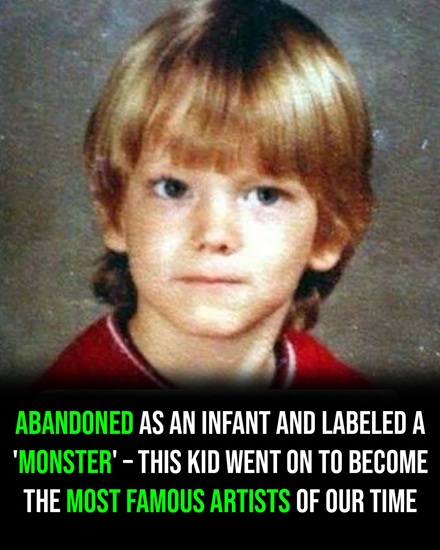
Marshall Bruce Mathers III, known professionally as Eminem, is widely regarded as one of the most influential and commercially successful rappers in music history. Over a career spanning more than three decades, he has earned numerous awards, sold millions of records worldwide, and helped introduce hip-hop to an even broader global audience. While his technical skill as a lyricist and performer has received widespread recognition, many listeners have also connected with the honesty of his songwriting.
Throughout his career, Eminem has openly discussed painful experiences from his childhood, often using music to explore difficult emotions and personal struggles. Those experiences became an important part of his artistic identity, although they represent only one chapter of a much larger life story. Eminem was born on October 17, 1972, in St. Joseph, Missouri. During his early childhood, his family experienced financial hardship and frequent moves between Missouri and the Detroit metropolitan area.
According to interviews Eminem has given over the years, his father left the family when he was very young, and the two had little or no meaningful relationship throughout his childhood. Eminem has spoken publicly about writing letters to his father that, according to him, often went unanswered. In later interviews, he described growing up without a consistent father figure, an absence that would become a recurring theme in several of his songs and public reflections.
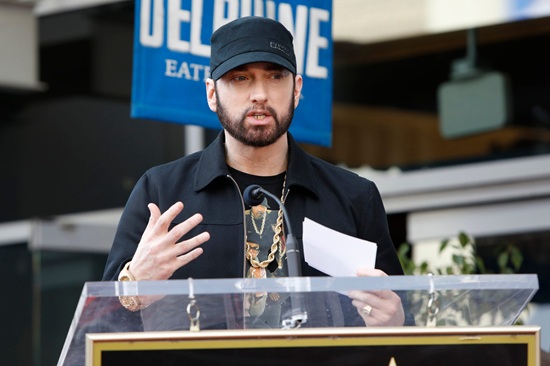
Because the family moved frequently, Eminem attended numerous schools while growing up. Constantly changing neighborhoods and classrooms made it difficult for him to build lasting friendships or feel settled in one community. In interviews, he has recalled often being the “new kid,” a position that sometimes made him the target of bullying. Those repeated transitions created challenges both socially and emotionally, contributing to feelings of isolation that he later described in interviews and autobiographical lyrics.
One of the most serious incidents occurred when Eminem was nine years old. According to court records and media reports from that period, he suffered a severe assault by another student while attending school in the Detroit area. The attack reportedly resulted in a concussion and temporary vision problems in one eye. His mother later filed a lawsuit against the Detroit Public Schools, arguing that the school system had failed to protect her son from repeated bullying. Although the lawsuit was ultimately dismissed, the incident remained one of the most widely discussed events from Eminem’s childhood and has been referenced in interviews over the years.
Eminem has also spoken extensively about difficulties within his home life. In interviews and throughout his music, he has described a complicated relationship with his mother, Debbie Mathers. He has made numerous allegations regarding his upbringing, including claims of neglect and substance abuse within the household. Debbie Mathers publicly denied many of those allegations and later pursued legal action against her son over statements made about her. Because both individuals publicly presented different accounts of their family history, it is important to recognize that many aspects of their relationship remained the subject of longstanding personal disagreement.
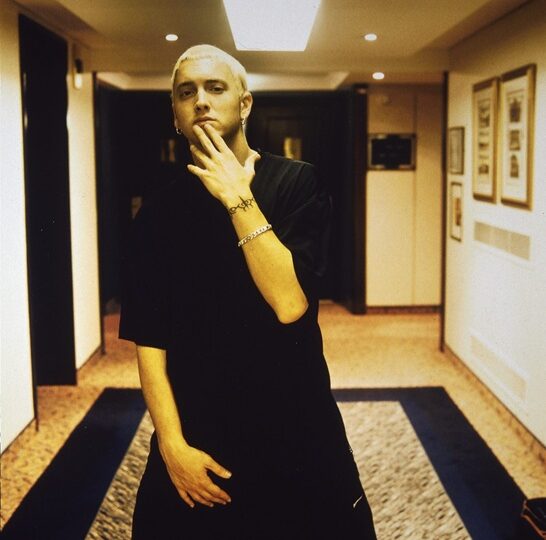
Despite those challenges, Eminem gradually discovered a passion that would change the direction of his life. During his teenage years, he became fascinated by hip-hop music, spending countless hours studying rhyme patterns, practicing lyrics, and participating in rap battles throughout Detroit. At a time when hip-hop was still developing as a mainstream genre, Eminem worked to earn respect within the city’s competitive underground rap scene. Fellow artists have since recalled his extraordinary dedication, describing how he continuously refined his writing, memorized complex rhyme structures, and treated every performance as an opportunity to improve.
Although Eminem eventually left high school without graduating, he continued pursuing music while working a variety of jobs to support himself. Success did not come immediately. Throughout the early years of his career, he performed in local clubs, entered freestyle competitions, and released independent material while trying to establish himself in an industry that offered few guarantees. Those experiences strengthened his reputation for perseverance and lyrical precision, qualities that would later become defining characteristics of his career.
In 1995, Eminem experienced another major life event when he became a father. The birth of his daughter, Hailie Jade Mathers, profoundly influenced his priorities and would later inspire some of the most personal songs in his catalog. In interviews, Eminem has often spoken about wanting to provide his children with the stability, care, and opportunities that he felt were missing during his own childhood. Fatherhood became a recurring theme in both his music and his public comments, reflecting his desire to build a different future for the next generation of his family.
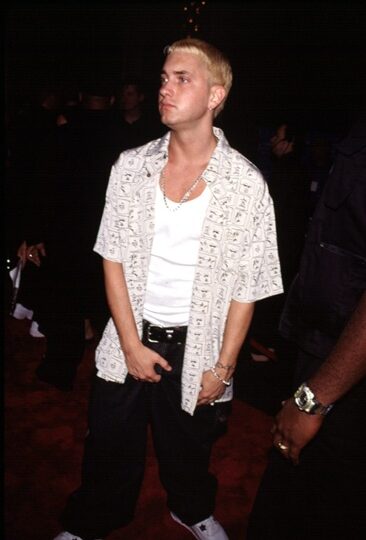
The turning point in Eminem’s professional career came after the release of The Slim Shady EP, which eventually reached legendary producer Dr. Dre. Impressed by Eminem’s lyrical ability and distinctive storytelling, Dr. Dre signed him to Aftermath Entertainment. Their collaboration led to the release of The Slim Shady LP in 1999, an album that transformed Eminem into an international star. Songs such as “My Name Is” introduced millions of listeners to his unique style, combining technical wordplay, humor, and deeply personal storytelling. That breakthrough marked the beginning of a career that would ultimately make Eminem one of the best-selling and most influential recording artists in modern music history.
Following the success of The Slim Shady LP, Eminem’s career accelerated rapidly. His next albums, including The Marshall Mathers LP (2000) and The Eminem Show (2002), became major commercial successes and received widespread critical attention. These records showcased his technical lyricism, storytelling ability, and willingness to explore difficult personal experiences through music.
Many of his songs combined fictional narratives with autobiographical elements, making it important for listeners to distinguish artistic expression from literal accounts of real-life events. Throughout his career, Eminem has repeatedly explained that not every lyric should be interpreted as a factual description of his personal life.
As his popularity grew, Eminem also became one of the most discussed artists in the entertainment industry. His music often generated public debate because of its provocative themes, satirical style, and emotionally charged storytelling. At the same time, many music critics praised his extraordinary command of language, internal rhyme schemes, and complex wordplay. His influence extended far beyond commercial success, inspiring countless artists who cited him as an important influence on modern hip-hop and lyric writing. Even those who disagreed with aspects of his artistic style frequently acknowledged his exceptional technical ability as a rapper.
In 2002, Eminem expanded his career into acting by starring in 8 Mile, a film inspired by elements of his early life growing up in Detroit. Although the movie is fictional and should not be viewed as a complete autobiography, it drew upon themes familiar to his personal journey, including poverty, determination, and pursuing a career in music despite significant obstacles. The film received positive reviews and became both a critical and commercial success. Its soundtrack featured “Lose Yourself,” which won the Academy Award for Best Original Song, making Eminem the first hip-hop artist to receive that honor in the category.
Success, however, did not eliminate personal challenges. Eminem has spoken openly about struggling with prescription drug addiction during the mid-2000s. In later interviews, he explained that dependence on medication eventually became a serious health issue affecting both his personal life and professional career. After experiencing a near-fatal overdose in 2007, he entered recovery and has since publicly discussed the importance of sobriety. His willingness to address addiction honestly has been viewed by many as an example of resilience and the possibility of rebuilding one’s life after significant personal difficulties.
Family has remained an important priority throughout Eminem’s life. In addition to his biological daughter Hailie Jade, he also became the adoptive father of Alaina Scott and Stevie Scott, helping raise all three daughters within his family. Over the years, Eminem has consistently stated that fatherhood is one of the most meaningful aspects of his life. Several of his songs, including “Mockingbird,” “When I’m Gone,” and “Hailie’s Song,” reflect his desire to protect his children and provide them with stability despite the pressures of international fame.
Those who have interviewed Eminem frequently describe a noticeable contrast between his intense stage persona and his private life. While his performances are often energetic and confrontational, people who have worked closely with him have described him as focused, disciplined, and deeply committed to his family and creative work. He has largely maintained a private lifestyle outside of music, limiting public appearances and choosing to let his work speak for itself. This approach has allowed him to balance extraordinary global success with a relatively quiet personal life.
Throughout his career, Eminem has earned numerous awards and achievements, including multiple Grammy Awards, an Academy Award, and induction into the Rock & Roll Hall of Fame in 2022. His albums have sold well over 200 million records worldwide, placing him among the best-selling music artists of all time. Beyond commercial accomplishments, his influence can be seen in generations of rappers who continue to study his lyrical techniques, storytelling methods, and innovative approach to rhyme construction. Music historians frequently recognize him as one of the defining artists of modern hip-hop.
Following the deaths of his father in 2019 and his mother, Debbie Nelson, in 2024, many observers reflected on the complicated family history that had influenced much of Eminem’s songwriting. While those relationships remained deeply personal and, at times, publicly contentious, they also formed part of the broader story of an artist who transformed difficult life experiences into creative expression. His music has never presented itself as a perfect record of history; rather, it has served as a reflection of personal emotions, memories, and artistic interpretation during different stages of his life.
Today, Eminem’s legacy extends far beyond record sales or awards. His career demonstrates how determination, discipline, and creative expression can help transform adversity into lasting artistic achievement. While his childhood contained significant challenges that he has openly discussed over the years, those experiences did not define the entirety of his life. Instead, they became one element of a remarkable journey that led from difficult beginnings to worldwide recognition.
Through decades of influential music, acclaimed performances, and continued dedication to his craft, Marshall Mathers has established himself as one of the most respected and influential figures in the history of hip-hop, leaving a legacy that continues to inspire artists and listeners around the world.
