Respecting the names and pronouns people choose is widely recognized as an important way to acknowledge an individual’s identity. Healthcare organizations, workplaces, schools, and many other institutions have increasingly emphasized respectful communication as part of providing inclusive and professional care. While practices and opinions may differ across communities, many medical professionals encourage addressing patients in the manner they request whenever possible.
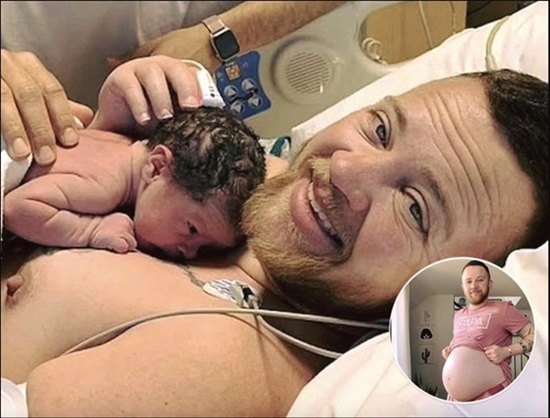
Bennett Kaspar-Williams’ experience during pregnancy and childbirth became part of a broader public discussion about how healthcare providers communicate with patients whose gender identity does not fit traditional expectations. Bennett Kaspar-Williams, who lives in Los Angeles with spouse Malik Kaspar-Williams, welcomed their son Hudson in October 2020. At the time of Hudson’s birth, Bennett identified as a transgender man and used he/him pronouns.
Bennett has since publicly shared that they now identify as non-binary and use both he/him and they/them pronouns. Their family has spoken openly about their experiences in hopes of encouraging respectful conversations surrounding pregnancy, parenthood, and patient care while recognizing that every family’s journey is unique. Bennett has explained publicly that the realization of being transgender came several years before beginning medical transition.
According to interviews, Bennett recognized being transgender in 2011 and later began transitioning in 2014. During the transition process, testosterone therapy became an important part of aligning physical characteristics with gender identity. Like many transgender people, Bennett carefully considered future goals, including whether having biological children would one day become part of life. Those discussions eventually became an important part of the family’s long-term planning.
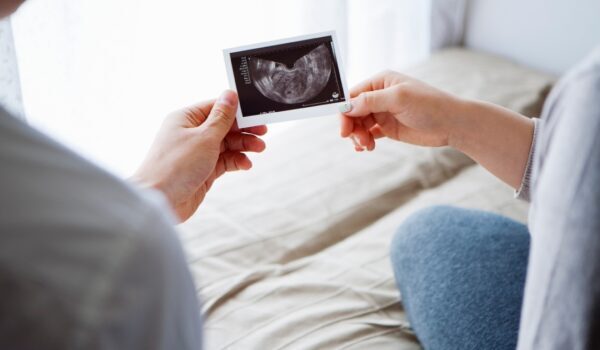
When Bennett and Malik decided they wanted to become parents, they explored several possible paths to building a family. They considered their options carefully and discussed both the emotional and medical aspects of each possibility. Because Bennett still retained reproductive organs capable of pregnancy, doctors explained that carrying a pregnancy would require stopping testosterone treatment long enough for ovulation to resume. Bennett has said publicly that this decision involved thoughtful consideration and conversations with healthcare professionals before moving forward.
Although Bennett had previously undergone chest, or “top,” surgery as part of gender-affirming care, they had not undergone surgery affecting reproductive organs. After reflecting on personal goals and discussing the process with medical providers, Bennett ultimately felt comfortable attempting pregnancy. According to Bennett’s public interviews, the couple expected that conceiving might take a considerable amount of time. Instead, pregnancy occurred naturally relatively quickly after they began trying, something Bennett later described as surprising given their expectations.
The timing of the pregnancy coincided with another historic event that affected millions of families worldwide. Shortly after learning they were expecting a child, the COVID-19 pandemic began spreading rapidly across the United States. As public health restrictions expanded during early 2020, Bennett has said that feelings of excitement about becoming a parent were accompanied by understandable concerns about protecting both personal health and the baby’s wellbeing during an uncertain period. Like many expectant parents that year, they faced additional stress created by changing medical protocols and pandemic-related precautions.
Throughout the pregnancy, Bennett has shared that many aspects of the experience were positive and meaningful. At the same time, they also encountered situations that they later described as emotionally difficult. According to Bennett’s interviews with several media outlets, one of the greatest challenges was repeatedly being referred to as “mom” or “mother” by healthcare staff despite indicating on medical paperwork that they identified as male. Bennett has explained that these repeated interactions caused feelings of gender dysphoria during medical appointments rather than the pregnancy itself.
In interviews discussing those experiences, Bennett emphasized that pregnancy itself was not what caused emotional discomfort. Instead, they have consistently stated that the repeated misgendering during medical care was the primary source of distress. Bennett explained that hospital forms accurately reflected their gender identity, yet some healthcare workers continued using language traditionally associated with motherhood. Bennett has described those moments as discouraging because they believed the information had already been clearly communicated before treatment began.
Hudson was ultimately born by cesarean section in October 2020 with Malik present for the birth. Following the delivery, Bennett began speaking publicly about the family’s experience, hoping to encourage respectful communication between healthcare professionals and patients from a variety of backgrounds.
Rather than criticizing individual medical workers personally, Bennett’s public comments have generally focused on broader healthcare systems and the importance of recognizing that every patient’s circumstances may be different. Their story has since become part of wider conversations about patient-centered care, respectful communication, and supporting families with diverse experiences.
After Hudson’s birth, Bennett Kaspar-Williams chose to speak publicly about the family’s experience, explaining that they hoped their story would encourage respectful communication in healthcare settings. In interviews, Bennett said their goal was not to diminish the experiences of mothers or challenge anyone else’s journey through parenthood. Instead, they wanted to highlight how important it can be for medical professionals to recognize each patient’s individual identity and communicate in a way that reflects the information patients provide about themselves.
One of the main points Bennett has discussed is the distinction between biological processes and personal identity. Bennett has explained that becoming pregnant did not change the way they understood their own gender identity. While pregnancy has traditionally been associated with motherhood in many societies, Bennett has said that their personal experience led them to view pregnancy and gender as separate aspects of a person’s life. Their comments reflect their own perspective and experience rather than a statement intended to describe every family or every individual’s understanding of parenthood.
Throughout interviews, Bennett has repeatedly emphasized that they were grateful for the medical care that helped bring their son safely into the world. At the same time, they recalled feeling discouraged when repeatedly addressed as “mom” despite identifying themselves differently on medical paperwork. According to Bennett, those moments stood out because they occurred during an important period in their family’s life. They have explained that small interactions and respectful communication can have a meaningful impact on a patient’s overall healthcare experience.
Bennett has also spoken about broader assumptions surrounding pregnancy and parenthood. In interviews, they noted that not every woman becomes a mother, not every mother experiences pregnancy personally, and not every person who becomes pregnant identifies as a woman. Bennett has presented these observations as part of their own experience and understanding of family life. Their comments have contributed to ongoing public discussions about how language is used in healthcare and how institutions can communicate respectfully with patients from a wide variety of backgrounds.
The family’s story has received attention from news organizations because it brings together several topics that are increasingly discussed in modern healthcare, including patient-centered care, respectful communication, and individualized treatment. Healthcare professionals routinely care for patients with diverse backgrounds, cultures, beliefs, and identities. Many hospitals continue updating policies and staff training with the goal of improving communication while maintaining high standards of medical care for every patient they serve.
At the center of Bennett and Malik’s story is their son, Hudson. Since his birth, the family has occasionally shared updates about life together through public social media posts. Like many parents, they have celebrated birthdays, family milestones, and everyday moments with their child. Those updates have generally focused on family life rather than public debate, reflecting the couple’s desire to enjoy raising their son while occasionally sharing aspects of their personal journey with others who may find it meaningful.
The story also illustrates how family-building experiences can differ greatly from one household to another. Some families grow through pregnancy, while others become parents through adoption, surrogacy, foster care, or other paths. Every family’s circumstances are unique, and healthcare providers often care for people whose experiences and identities vary widely. Bennett has said that their own experience demonstrates why listening carefully to individual patients can help create an environment where people feel respected throughout important medical events.
Public responses to Bennett’s interviews have reflected a wide range of opinions, which is common for stories involving personal identity and healthcare. Regardless of differing viewpoints, the factual timeline remains straightforward. Bennett publicly shared being transgender before later identifying as non-binary, paused testosterone treatment under medical supervision in order to become pregnant, gave birth to Hudson by cesarean section in October 2020, and later discussed feeling repeatedly misgendered during parts of their medical care. Those details have been consistently reported in interviews given by Bennett and published by multiple news outlets.
Ultimately, Bennett Kaspar-Williams’ story is one family’s account of pregnancy, childbirth, and parenthood. It highlights the importance of communication between patients and healthcare professionals, while also reminding readers that every person’s medical journey is different. Regardless of background or identity, many people share common hopes during pregnancy: a safe delivery, compassionate care, and the opportunity to welcome a healthy child into their family. Bennett’s experience has become part of a broader conversation about respect, understanding, and individualized care, while remaining centered on the family’s own lived experience rather than making universal claims about others.
