
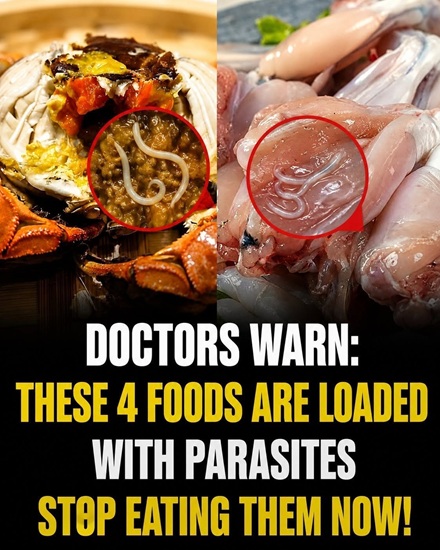
Food safety is an important part of maintaining overall health, yet many people naturally focus more on nutrition, calories, vitamins, and ingredients than on the safe handling and preparation of food. While most meals prepared and served according to established food safety standards are safe to eat, certain foods can occasionally carry parasites or other harmful microorganisms if they are improperly handled, stored, or cooked.
Public health organizations around the world emphasize that understanding these risks does not mean avoiding specific foods altogether. Instead, it means learning how to prepare them correctly and choosing products from reliable sources that follow recognized food safety practices. Parasites are living organisms that depend on another organism to survive. Some parasites can infect humans after contaminated food or water is consumed, although the likelihood varies depending on the type of food, the region where it was produced, and how it was prepared.
Modern food inspection systems, refrigeration, freezing methods, and cooking guidelines have significantly reduced the risk of foodborne parasitic infections in many countries. Nevertheless, health authorities continue to recommend proper food handling because no food production system can eliminate every possible risk. Safe preparation remains one of the most effective ways to reduce exposure.
Raw or lightly prepared seafood is among the foods that often receive attention in discussions about foodborne parasites. Dishes such as sashimi and sushi are enjoyed in many parts of the world and are generally considered safe when prepared by trained professionals who follow strict food safety regulations. Commercial suppliers often freeze fish intended for raw consumption according to established guidelines that help reduce the risk of certain parasites. However, consuming raw fish from unknown or unregulated sources may increase the possibility of exposure to parasites such as Anisakis, which can occasionally cause illness in humans. Purchasing seafood from reputable suppliers and restaurants is therefore an important part of reducing risk.
Another food that requires careful preparation is frog meat, which is considered a traditional ingredient in several regional cuisines. Like many other animal products, frog meat should be cooked thoroughly before it is eaten. Scientific studies have shown that certain parasites associated with amphibians may survive if the meat remains undercooked. Cooking food to the appropriate internal temperature is one of the most reliable methods for destroying parasites and other harmful microorganisms. Health experts therefore recommend avoiding raw or partially cooked frog meat and ensuring that it is prepared according to established food safety recommendations.
Snails are another specialty food that deserves careful attention during preparation. Depending on their environment, snails can carry parasites or bacteria if they are not properly cleaned and cooked. Professional kitchens that prepare edible snails typically follow detailed cleaning and cooking procedures designed to reduce these risks. Individuals preparing snails at home should also follow reliable food safety guidance, including purchasing products from trusted suppliers, cleaning them appropriately, and cooking them thoroughly before serving. Proper preparation greatly reduces potential food safety concerns while allowing people to enjoy this traditional ingredient safely.
Certain freshwater plants, including water chestnuts harvested from aquatic environments, may also require careful handling before consumption. Fresh produce can occasionally become contaminated by microorganisms through irrigation water, soil, or environmental conditions. Washing produce thoroughly under clean running water, peeling when appropriate, and following recommended preparation methods can help reduce contamination. For foods that are commonly cooked before eating, proper cooking provides an additional level of protection. Purchasing produce from reputable retailers and suppliers that follow agricultural safety standards further contributes to overall food safety.
Undercooked meat is another area frequently discussed by public health authorities. Beef, pork, lamb, and other meats may occasionally contain parasites or harmful bacteria if they are not cooked to safe internal temperatures. The level of risk varies depending on the animal species, farming practices, inspection procedures, and the specific pathogen involved. Using a food thermometer to verify internal temperature is widely recommended because appearance alone does not always indicate whether meat has reached a safe temperature. Following these guidelines helps reduce the likelihood of foodborne illness while preserving food quality.
Preventing foodborne illness involves more than choosing the right ingredients. Good kitchen hygiene plays an equally important role in reducing risk. Washing hands before and after handling raw foods, keeping raw meat separate from ready-to-eat foods, cleaning cutting boards and utensils thoroughly, refrigerating perishable foods promptly, and preventing cross-contamination are practices consistently recommended by organizations such as the World Health Organization (WHO) and national food safety agencies. These habits help reduce exposure not only to parasites but also to bacteria and viruses that can cause foodborne illness.
Understanding food safety is ultimately about making informed decisions rather than developing unnecessary fear about everyday meals. Most foods can be enjoyed safely when they are purchased from reliable sources and prepared according to evidence-based recommendations. By combining proper cooking techniques, good hygiene practices, careful food storage, and informed purchasing decisions, individuals can significantly reduce the risk of foodborne illness while continuing to enjoy a varied and balanced diet.
Although foodborne parasitic infections receive attention in public health discussions, they remain relatively uncommon in countries with well-established food safety systems. Health authorities emphasize that the likelihood of infection can be reduced significantly by following recommended food handling practices throughout the food supply chain, from production and transportation to preparation in restaurants and home kitchens. These systems include routine inspections, proper refrigeration, quality control measures, and clear cooking guidelines that help minimize potential risks before food reaches consumers.
When a foodborne parasitic infection does occur, symptoms can vary depending on the type of parasite involved and the individual’s overall health. Some people may experience digestive symptoms such as abdominal discomfort, diarrhea, nausea, or vomiting, while others may have few or no symptoms at all. In certain situations, symptoms may develop days or even weeks after consuming contaminated food, making it difficult to identify the original source without medical evaluation. Because many digestive illnesses produce similar symptoms, healthcare professionals rely on medical history, laboratory testing, and clinical examination rather than symptoms alone to determine the underlying cause.
Medical experts recommend seeking professional healthcare advice if digestive symptoms become severe, persist for several days, are accompanied by fever, blood in the stool, significant dehydration, or unexplained weight loss. These symptoms may result from a wide range of medical conditions, not only parasitic infections. Early evaluation allows healthcare providers to determine the appropriate diagnosis and recommend evidence-based treatment when necessary. Self-diagnosis or relying solely on information found online may delay proper care, which is why persistent or concerning symptoms should always be assessed by qualified medical professionals.
Safe food preparation remains one of the most effective ways to reduce the risk of foodborne illness. Washing hands thoroughly before preparing meals, using separate cutting boards for raw meat and ready-to-eat foods, cleaning kitchen utensils after handling raw ingredients, and refrigerating perishable foods promptly are practices consistently recommended by food safety agencies worldwide. These simple habits help reduce cross-contamination and lower the risk of exposure to bacteria, viruses, and parasites that may occasionally be present in raw foods.
Cooking foods to appropriate internal temperatures is another important component of food safety. Fish intended for raw consumption should come from suppliers who follow established freezing and handling guidelines, while meat, poultry, and other animal products should be cooked according to recommendations provided by public health authorities. Using a food thermometer offers a reliable method for verifying that foods have reached safe internal temperatures, since appearance alone may not accurately indicate whether harmful microorganisms have been eliminated.
Choosing reliable food suppliers also contributes significantly to reducing food safety risks. Purchasing seafood, meat, and fresh produce from reputable retailers and licensed establishments helps ensure that products have been handled according to recognized safety standards. Restaurants that follow local health regulations and maintain high standards of hygiene likewise provide an additional level of confidence for consumers. While no food can ever be considered completely risk-free, established safety procedures substantially reduce the likelihood of contamination.
Researchers continue studying foodborne parasites to improve methods of detection, prevention, and treatment. Advances in food inspection technologies, agricultural practices, refrigeration systems, and laboratory testing have strengthened food safety in many parts of the world. Public health organizations regularly update their recommendations based on new scientific evidence, allowing consumers, food producers, and healthcare professionals to benefit from the latest research. Ongoing education about safe food handling remains an important part of preventing foodborne illness at both the individual and community levels.
In summary, enjoying a varied diet does not require avoiding foods traditionally associated with a higher risk of foodborne parasites. Instead, informed food choices, proper cooking, careful hygiene, and purchasing products from trusted sources remain the most practical and evidence-based ways to protect health. By following established food safety guidance and consulting healthcare professionals when symptoms are persistent or concerning, individuals can continue enjoying a wide variety of foods while reducing the likelihood of foodborne illness. This balanced approach supports both nutritional well-being and long-term health while reflecting current scientific understanding and public health recommendations.

