
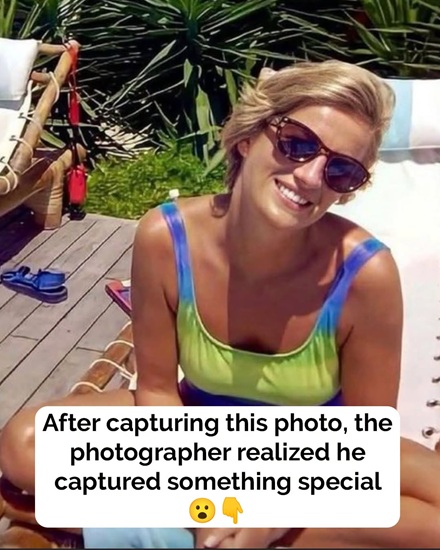
Princess Diana remains one of the most recognizable figures in modern royal history, remembered not only for her public role within the British royal family but also for her humanitarian work and her ability to connect with people from many walks of life. Decades after her passing in 1997, photographs of Diana continue to attract public interest because they capture different moments of her life, from official royal engagements to more personal and informal occasions.
Among the thousands of images taken throughout her lifetime, one particular photograph from the early days before her marriage to the then-Prince Charles became especially well known for reasons that neither Diana nor the photographer originally expected. Long before becoming the Princess of Wales, Diana Spencer worked as an assistant at the Young England Kindergarten in London’s Pimlico district.
At the time, she was just nineteen years old and was gradually attracting media attention because of her relationship with Prince Charles, who was heir to the British throne. Although she was not yet a member of the royal family, public curiosity surrounding her life increased rapidly, leading photographers and journalists to seek opportunities to document her daily activities. Many of these photographs presented a young woman balancing ordinary work responsibilities while unexpectedly finding herself in the international spotlight.
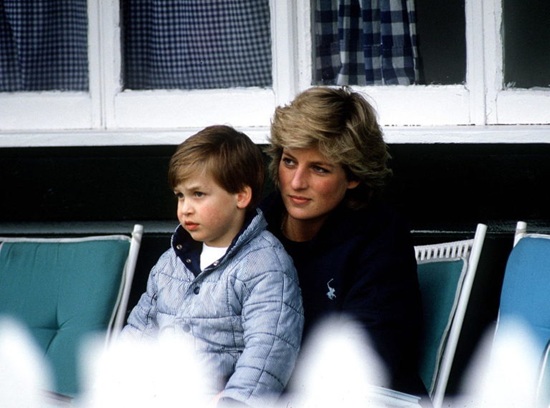
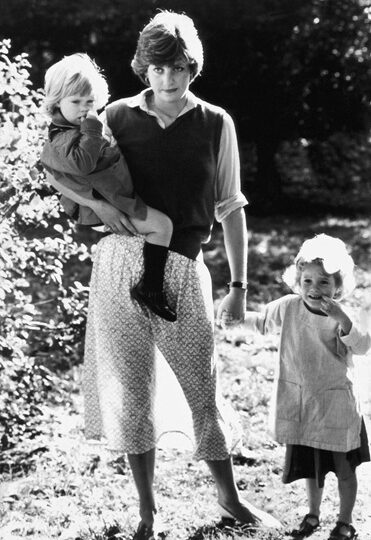
One of the photographers covering the emerging royal story was Arthur Edwards, who had recently begun working as a royal photographer. Hoping to capture a natural portrait of Diana before her royal wedding, Edwards searched for the nursery school where she worked. After speaking with staff members and receiving permission to photograph her, he accompanied Diana and two children to a nearby park for what was intended to be a simple outdoor photo session. According to Edwards, the atmosphere was relaxed, and Diana cooperated willingly as several photographs were taken in the sunshine.
During the session, changing light conditions unexpectedly altered one particular image. As sunlight shone from behind Diana, the fabric of her skirt became partially backlit, creating a silhouette effect that made the outline of her legs more noticeable than either Diana or the photographer had anticipated. Edwards has explained in interviews that the effect was not planned and that it resulted naturally from the position of the sun rather than from any attempt to create a provocative photograph. What appeared to be an ordinary portrait soon became one of the most widely published images from the period before Diana’s wedding.
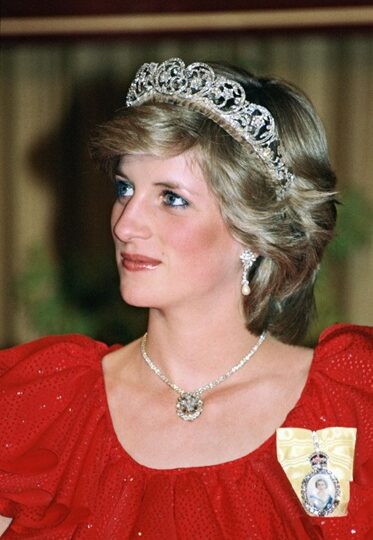
When newspapers printed the photograph, it quickly attracted widespread public attention. Although the image did not contain nudity, Diana reportedly felt uncomfortable with the amount of attention it received because she believed the backlighting made the photograph more revealing than she had intended. According to later accounts, she expressed concern about how the image might influence public perceptions of her at a time when she was preparing to enter one of the world’s most closely watched families. The incident demonstrated how even seemingly ordinary photographs could become major news stories once public interest in her life intensified.
Arthur Edwards has repeatedly stated in later interviews that there was never any intention to embarrass Diana or create controversy. He has described the photograph as an unexpected consequence of the lighting conditions rather than a carefully planned image. Over the years, Edwards has reflected on the event while explaining that photography often captures details that are not immediately obvious during a photo session. His recollections have provided additional context for an image that has remained part of discussions about Diana’s early years in the public eye.
The photograph also illustrates the growing relationship between the British royal family and the media during the early 1980s. Diana’s engagement to Prince Charles generated extraordinary international interest, and photographers competed intensely to document every stage of her transition from private citizen to future Princess of Wales. While many photographs celebrated her warmth, elegance, and approachable personality, the intense media attention also reduced the amount of privacy she could enjoy. The nursery school photograph became one example of how even routine moments could quickly become front-page news.
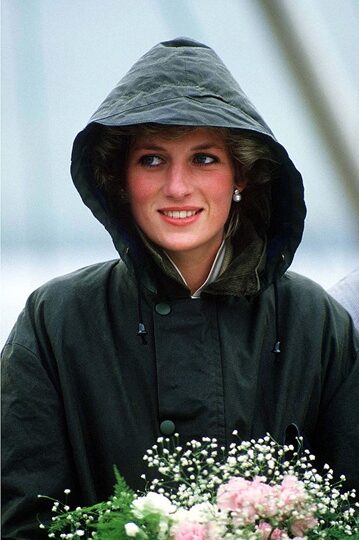
Beyond the discussion surrounding this single photograph, Diana continued to build a public image based on compassion, charity work, and engagement with important humanitarian causes. Throughout the years that followed, she became associated with campaigns supporting people living with HIV/AIDS, raising awareness about homelessness, and advocating for the removal of landmines in conflict-affected regions. These efforts gradually came to define her public legacy far more than any individual photograph or newspaper headline, demonstrating the broad impact of her charitable work across many different communities.
As historians and royal commentators continue to examine Diana’s life, the nursery school photograph remains an interesting example of the challenges that accompanied sudden global fame. It highlights the powerful influence of the media during a period when every public appearance attracted significant attention and reminds readers that even small, unintended moments could become enduring pieces of history. Today, the image is remembered not because of controversy alone, but because it represents one of the earliest chapters in the remarkable public journey of a woman whose life would leave a lasting mark on the modern British monarchy.
As Princess Diana’s public profile continued to grow after her engagement to Prince Charles, her relationship with photographers became increasingly complex. Official royal photographers, newspaper staff photographers, and freelance paparazzi all sought to document her public appearances. Those who worked with the royal family have often noted that Diana understood the role of accredited media covering official events, even though she sometimes found the constant attention overwhelming. At the same time, she was also known to express concern when photographers or publications crossed personal boundaries or intruded into private moments that she believed should remain outside the public eye.
Royal photographer Arthur Edwards, who continued covering the royal family for decades, has reflected on the nursery school photograph in several interviews. He explained that neither he nor Diana realized how the lighting would affect the image while it was being taken. According to Edwards, the silhouette effect became apparent only after the photographs were developed. He has consistently maintained that the image was not intended to embarrass Diana and has described it as an unexpected result of natural sunlight rather than a carefully planned composition. His recollections have helped provide historical context to a photograph that has remained part of discussions about Diana’s early years in the public spotlight.
Reports published over the years have also noted that Diana felt uneasy after seeing the photograph appear in newspapers. According to accounts shared by people close to the royal family, she worried that public attention would focus more on the photograph itself than on her character or the work she was doing. As a young woman preparing to enter one of the world’s most scrutinized institutions, she was still adapting to an extraordinary level of media interest. The experience highlighted how quickly an ordinary moment could become an international headline once someone became a prominent public figure.
Throughout the 1980s and 1990s, Diana became one of the most photographed women in the world. Images from official overseas tours, charity visits, hospital appearances, and state occasions were published across newspapers and magazines internationally. Among the most recognizable photographs is the image of Diana seated in front of the Taj Mahal during her 1992 visit to India, which has since become one of the defining photographs of her public life. Many historians and royal commentators consider these images significant because they documented not only royal events but also changing public attitudes toward the monarchy during that period.
While fashion frequently attracted headlines, Diana’s humanitarian work gradually became one of the defining aspects of her public role. She supported numerous charitable organizations and raised awareness of issues including homelessness, children’s welfare, HIV/AIDS, and the impact of landmines in former conflict zones. Her visits to hospitals, shelters, and humanitarian projects often received widespread media coverage, helping bring international attention to causes that many organizations hoped to highlight. Historians generally agree that these charitable efforts contributed significantly to her lasting reputation and continue to be remembered alongside her royal duties.
Following her death in Paris on August 31, 1997, tributes were expressed around the world as governments, charitable organizations, public figures, and members of the public reflected on her life and contributions. Her funeral drew extensive international television coverage, and millions of people watched the service. Over the years, exhibitions, documentaries, biographies, and archival collections have continued examining both her humanitarian work and her influence on modern public life. These projects have sought to present a broader understanding of Diana’s legacy beyond individual headlines or widely circulated photographs.
Princes William and Harry have each spoken publicly about the lasting influence their mother had on their lives. Although they have chosen different paths in adulthood, both have continued supporting charitable initiatives that reflect causes Diana cared about during her lifetime. Prince William has promoted environmental initiatives through the Earthshot Prize, while Prince Harry founded the Invictus Games, an international sporting event supporting wounded, injured, and sick service personnel and veterans. Their charitable work is frequently discussed as part of the continuing influence of Diana’s commitment to humanitarian causes.
Today, the nursery school photograph remains part of the historical record because it illustrates the challenges that accompanied Diana’s sudden rise to international prominence. What began as an ordinary portrait of a young nursery assistant unexpectedly became one of the most discussed photographs from the period before her marriage. Looking back decades later, the image serves as a reminder of the intense public attention she faced from an early stage in her royal journey. More importantly, however, Princess Diana is remembered for a life that extended far beyond any single photograph—a life marked by public service, charitable engagement, and a lasting impact on people around the world.

