
People in our town often paused when they saw me walking through the grocery store or standing in line at the post office. For a brief moment, their expressions always carried the same mixture of surprise and confusion before recognition settled in. I had lived with those reactions for years. My identical twin sister, Clara, had passed away, but because we had shared the same features, strangers frequently mistook me for her. Even neighbors who had known us since childhood occasionally caught themselves staring a second too long before quietly apologizing.
I never blamed them. Sometimes, when I unexpectedly caught my own reflection in a shop window, I startled myself as well. Losing Clara had changed every part of my life. We had shared everything since the day we were born—our childhood bedroom, school experiences, family traditions, and countless dreams about the future. Although our personalities differed in many ways, people often described us as inseparable. She had always been the outgoing one, while I preferred quieter moments with books, gardening, and long conversations over coffee.
Her absence created a silence that seemed impossible to fill, and I gradually withdrew into a routine that felt safe but increasingly lonely. After Clara’s passing, her husband, Michael, began visiting my house almost every Sunday morning. At first, his visits felt natural. We were both grieving someone we deeply loved, and talking about Clara seemed to help us preserve the memories that neither of us wanted to lose. We would sit in my kitchen with cups of coffee growing cold between us while sharing stories from different stages of her life. Sometimes we laughed about childhood adventures. Other times we simply sat quietly, allowing memories to speak louder than words.
As the months passed, those weekly visits became a regular part of my life. Michael rarely missed a Sunday. He often asked detailed questions about Clara’s childhood, wanting to hear stories he had never known. At first, I believed he was simply trying to feel closer to the woman he had lost. Looking back, I realized he seemed interested in remembering every detail—favorite meals, family traditions, conversations, and habits. At the time, however, I interpreted his curiosity as another expression of grief rather than anything unusual.
My daughter, Rachel, noticed changes that I refused to acknowledge. During one visit, after Michael had gone home, she gently suggested that I should be careful about becoming emotionally dependent on those weekly conversations. She wasn’t accusing him of wrongdoing, but she worried that both of us were struggling to move forward. I appreciated her concern, yet I believed she simply couldn’t understand how comforting it felt to speak with someone who had loved Clara as deeply as I had.
My son shared similar concerns when he came to visit from the city. He encouraged me to reconnect with old friends, join local community groups, and rebuild my own social life instead of allowing my world to revolve around memories of the past. His advice came from love, and I knew that, but loneliness has a way of making familiar routines feel safer than uncertain beginnings. I assured him that everything was fine, even though I secretly knew I had begun relying on those Sunday visits more than I cared to admit.
My closest friend, Marlene, approached the situation differently. She never criticized Michael directly. Instead, she reminded me that grief affects everyone differently and that people sometimes mistake emotional dependence for companionship. During one evening over dinner, she gently suggested that both Michael and I deserved opportunities to heal independently rather than remaining connected only through our shared loss. Her words stayed with me, but I quietly set them aside because I wasn’t ready to face the possibility that she might be right.
Nearly two years passed before Michael surprised me with a proposal. His request came without elaborate planning or dramatic gestures. Sitting across from me at my kitchen table, he admitted that he could not imagine building a future with anyone else who understood Clara’s memory as completely as I did. He spoke about companionship, mutual support, and beginning a new chapter built on honesty and respect. His words sounded sincere, and after months of reflection, I convinced myself that perhaps two lonely people could help each other heal.
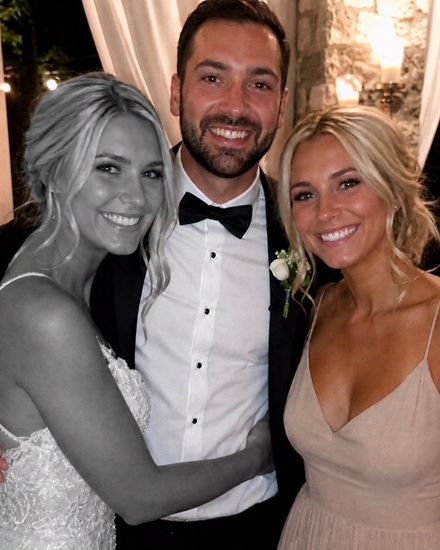
The ceremony itself was simple and quiet, held at the local courthouse with only close family members present. Instead of wearing traditional white, I chose a navy-blue dress because it felt respectful without pretending that life had begun entirely anew. Throughout the ceremony I experienced mixed emotions—gratitude, uncertainty, hope, and sadness—all existing side by side. Marriage after profound loss carries complexities that are difficult to describe, and I believed we were both trying to move forward while honoring the past rather than replacing it.
The first week after our wedding passed peacefully. We slowly adjusted to sharing routines, organizing the house, and discussing practical matters that accompany any marriage. Yet despite the calm atmosphere, I occasionally noticed Clara’s framed photograph resting quietly in the hallway. Each time I walked past it, I found myself wondering what advice she would offer if she were still beside me. I had no way of knowing that before the end of that first week, an unexpected visitor would arrive carrying a carefully preserved wooden box—and with it, information that would force me to question everything I believed about the life I had just begun.
On the seventh morning after our wedding, Michael left the house to run a few errands, saying he needed to stop at the grocery store before visiting the hardware shop. The house felt unusually quiet after he drove away. I spent the morning watering the flowers on the back porch and organizing a few family photographs that had remained packed away for years. As I walked through the hallway, my eyes paused once again on Clara’s portrait. I smiled gently, remembering how she always insisted that difficult decisions deserved patience rather than rushed emotions. Only minutes later, a silver sedan slowly turned into my driveway.
An elderly gentleman stepped out carrying a carefully polished wooden box. His movements were slow but deliberate, as though he understood the importance of what he had come to deliver. After introducing himself as an attorney who had previously represented Clara in personal legal matters, he explained that he had been instructed to deliver the box only under very specific circumstances. He spoke calmly and respectfully, making it clear that he was simply carrying out written instructions that had been prepared years earlier. His professionalism immediately convinced me that the visit deserved my full attention.
We sat together at my kitchen table, where the attorney carefully placed the wooden box between us. Before opening it, he explained that Clara had visited his office not long before her death to organize several personal documents, including letters intended for certain family members if particular events ever occurred. He emphasized that the contents of the box reflected Clara’s personal concerns and observations and should not be interpreted as legal findings or proof of criminal conduct. His role, he explained, was only to deliver the materials exactly as she had requested.
Inside the box rested Clara’s wedding ring, several neatly organized financial documents, and a sealed envelope bearing my name in handwriting I recognized immediately. Seeing those familiar letters brought back a flood of memories from our childhood, when we used to leave handwritten notes for each other before school. Taking a deep breath, I carefully unfolded the letter. Rather than making dramatic accusations, Clara encouraged me to examine the enclosed financial records carefully, seek independent legal advice, and make my own decisions only after reviewing verified information.
The documents included copies of loan statements, mortgage records, correspondence from financial institutions, and other paperwork suggesting that Michael had experienced significant financial difficulties during the final years of Clara’s illness. Although the papers raised serious questions, I reminded myself that documents alone rarely tell an entire story. Instead of reaching immediate conclusions, I placed everything back into the box and thanked the attorney for respecting Clara’s wishes. Before leaving, he encouraged me to consult my own legal and financial advisers if I had any concerns.
That evening, I chose not to confront Michael immediately. Instead, I spent the next two days quietly reviewing the documents with professionals who could help me understand what they actually meant. A financial adviser explained each record carefully, while an attorney reviewed the timeline of events and compared the documents with publicly available records. Their advice was simple and responsible: gather verified facts before making any life-changing decisions. I appreciated their measured approach because it prevented emotion from replacing careful judgment.
Over the following days, I paid closer attention to conversations that previously seemed ordinary. During one discussion about household finances, Michael suggested that combining our bank accounts would make managing expenses easier. On another occasion, he mentioned refinancing certain obligations to simplify future planning. None of these suggestions were unusual by themselves, yet they encouraged me to continue seeking independent advice before signing any financial paperwork. Rather than assuming dishonest intentions, I chose to proceed carefully and ensure that every important decision was fully understood.
Wanting transparency rather than confrontation, I invited several close family members to dinner the following weekend. My children attended, along with my longtime friend Marlene and the attorney who had delivered Clara’s box. The gathering was calm and respectful from the beginning. Instead of accusing anyone, I explained that new financial documents had come to my attention and that I believed every important question should be discussed openly with accurate information available to everyone present. My goal was clarity, not conflict.
The conversation that followed was emotional but respectful. Financial records were reviewed, questions were asked, and everyone had the opportunity to speak without interruption. Some misunderstandings became clearer, while other issues remained unresolved and appeared to require additional legal guidance. Throughout the evening, I realized how important it is to rely on verified evidence rather than assumptions, especially when family relationships, finances, and trust become intertwined. Difficult conversations are rarely comfortable, but honesty supported by documented facts often provides the clearest path forward.
After several weeks of careful reflection and professional legal advice, I made the decision that was right for my future. Rather than allowing loneliness to determine the direction of my life, I chose independence, thoughtful decision-making, and the support of people who had consistently encouraged me to protect my wellbeing. Clara’s letter had not made my choices for me; instead, it reminded me to ask questions, verify information, and never ignore concerns simply because they were difficult to face.
As life gradually returned to a quieter rhythm, I placed Clara’s wedding ring inside a small keepsake box beside family photographs from our childhood. It remained there not as a symbol of sorrow, but as a reminder of the lifelong bond we shared as sisters. For the first time in many years, the silence inside my home no longer felt overwhelming. It felt peaceful. I understood that moving forward did not require forgetting the people we loved. Sometimes healing begins when we honor their memory by living with wisdom, seeking the truth through evidence, and finding the courage to build a future grounded in honesty, resilience, and hope.

