
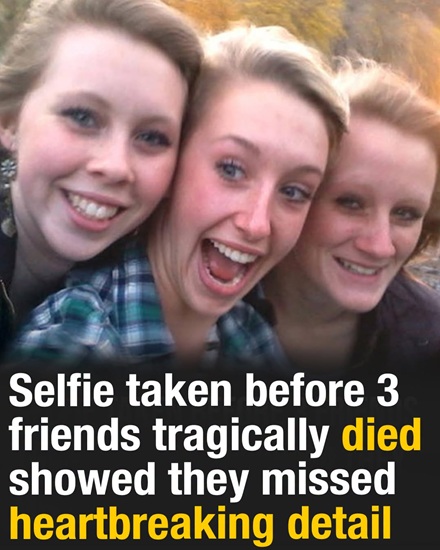
A summer outing among three close friends ended in unimaginable tragedy in Utah, leaving their families, classmates, and an entire community mourning the loss of three young lives. The heartbreaking incident occurred in July 2011 near the Covered Bridge Canyon railroad crossing outside Spanish Fork, Utah, where teenagers Essa Ricker, Kelsea Webster, and Kelsea’s younger sister, Savannah Webster, were struck by a passing train.
The accident received widespread media attention across the United States and served as a powerful reminder of the importance of railroad safety and situational awareness around active railway tracks. According to investigators and publicly reported accounts, the three girls had been spending time together near the railroad tracks when they stopped to watch a passing Utah Railway train.
Witnesses later explained that the teenagers appeared to be waving toward the train crew as the locomotive traveled past them. What they did not realize was that another train operated by Union Pacific was approaching from the opposite direction on a parallel track. The space separating the two trains was only a few feet wide, leaving virtually no room for anyone standing between them to move to safety once the second train arrived.
Officials later explained that the approaching Union Pacific freight train was traveling on the adjacent track while the girls’ attention appeared to be focused on the train passing in front of them. Utah County Sheriff’s Office representatives stated that investigators believed the teenagers either did not hear or did not recognize the danger posed by the second train until it was too late. Trains can generate significant background noise, and experts have long warned that one passing train may make it more difficult to notice another approaching from the opposite direction, particularly near multiple-track rail corridors.
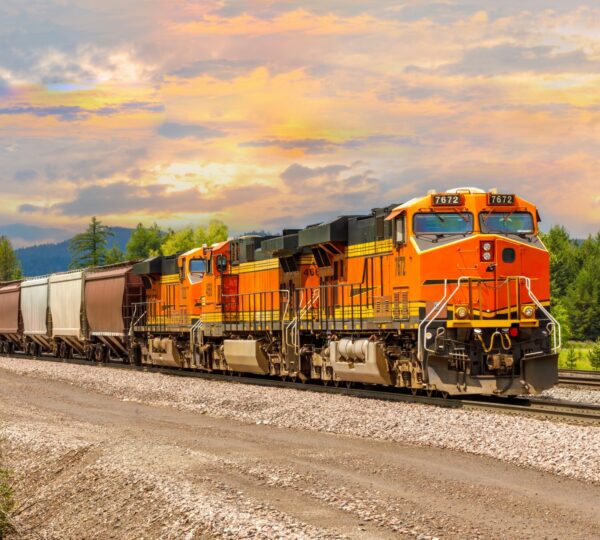
The tragedy claimed the lives of Essa Ricker and Kelsea Webster at the scene. Emergency responders quickly arrived after the collision and found Savannah Webster critically injured. She was transported to a nearby hospital, where medical teams worked to save her life. Despite extensive medical treatment, doctors later determined that she had suffered catastrophic brain injuries. After discussing her condition with physicians, Savannah’s family made the difficult decision to withdraw life support when it became clear that recovery was no longer medically possible. Their loss marked an unimaginably painful moment for everyone who knew the three girls.
In the hours before the accident, Savannah had shared a selfie on Facebook taken near the railroad tracks. The image later drew significant public attention because it captured one of the passing trains in the background. While the photograph has often been discussed in media coverage of the tragedy, investigators did not identify the image itself as the cause of the accident. Instead, officials focused on the broader circumstances surrounding the incident, including the presence of two trains traveling in opposite directions and the limited space between the tracks. The photograph has since become associated with broader conversations about railroad safety and the importance of remaining alert near active rail lines.
Members of the train crew later described the event as one they would never forget. According to public reports, conductor John Anderson recalled seeing the teenagers ahead as the train approached. He explained that the crew sounded the train’s horn while continuing emergency procedures, but the train could not stop in time. Freight trains require a considerable distance to come to a complete stop because of their size, weight, and speed, making it impossible for train crews to avoid many collisions once an obstacle is spotted on the tracks.
After the train finally stopped, crew members immediately contacted emergency services and went to assist the victims. Anderson later said he found two of the girls without signs of life while Savannah was still alive but seriously injured. He reportedly stayed with her while emergency responders arrived, offering reassurance and hoping that medical treatment would save her life. His public comments reflected the emotional impact such incidents can have not only on victims and their families but also on railroad employees who witness these tragic events despite having little ability to prevent them once they occur.
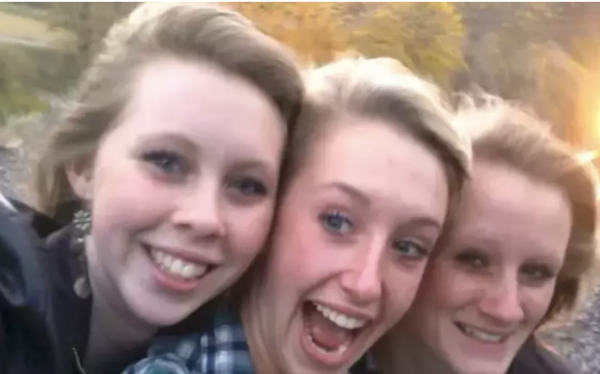
The deaths of Essa, Kelsea, and Savannah deeply affected their families, classmates, teachers, and the wider Spanish Fork community. Vigils and memorial services were held to honor their memories, with many friends describing the girls as kind, caring, and full of life. Community members came together to support the grieving families while also encouraging greater awareness of railroad safety. The tragedy prompted renewed discussion about the importance of staying well away from railroad tracks, remaining alert for trains traveling in either direction, and recognizing that trains may approach more quietly or more quickly than many people expect.
Railroad safety experts continue to emphasize that tracks, bridges, and rail corridors are active transportation areas rather than recreational spaces. Even when one train has already passed, another may approach on a nearby track with little warning. Modern freight trains are extremely heavy and cannot stop quickly, even after emergency braking is applied. Transportation authorities therefore encourage everyone to obey posted warning signs, remain behind designated barriers, and avoid walking, standing, or taking photographs on or near active railroad tracks.
The loss of these three teenagers remains one of the most widely remembered railroad tragedies in Utah’s recent history. More than a decade later, the story continues to be shared not to sensationalize the accident but to highlight an important public safety message. By understanding how quickly dangerous situations can develop around active railways, communities hope similar tragedies can be prevented in the future while honoring the memories of Essa Ricker, Kelsea Webster, and Savannah Webster, whose lives ended far too soon.
In the years since the accident, transportation officials and railroad safety organizations have continued to reference incidents like this when educating the public about the risks associated with active railway lines. Although every accident has its own unique circumstances, experts consistently emphasize one important message: trains can approach more quickly and more quietly than many people expect. On rail corridors with multiple tracks, one passing train may temporarily block the view or reduce awareness of another train approaching from the opposite direction. For this reason, safety campaigns encourage people to remain alert at all times whenever they are near railroad crossings or tracks.
The tragedy also drew attention to the emotional impact such incidents have on railroad employees. Engineers and conductors receive extensive safety training and are required to sound warning horns and follow emergency procedures whenever they observe a person in danger. However, because freight trains can weigh thousands of tons and require a long distance to stop, crews often have very little ability to avoid a collision once someone is on or near the tracks. Many railroad employees have spoken publicly about the lasting emotional effects these experiences can have, even when they followed every required safety procedure.
For the families of Essa Ricker, Kelsea Webster, and Savannah Webster, the loss extended far beyond the immediate aftermath of the accident. Friends, neighbors, teachers, and classmates remembered the three girls for their personalities, kindness, and the friendships they shared with those around them. Memorial gatherings and community tributes reflected the profound sadness felt throughout the Spanish Fork area, where many residents came together to support the families during an extraordinarily difficult period. Their memories continue to be honored by those who knew them personally.
The accident also became an opportunity for schools, community organizations, and transportation agencies to reinforce railroad safety education, particularly for teenagers and young adults. Public awareness campaigns frequently remind people that railroad tracks, bridges, and surrounding property are active transportation corridors rather than places intended for recreation or photography. Standing close to moving trains can be dangerous because of their speed, size, and the powerful air movement they create as they pass. Remaining well away from tracks and only crossing at designated public crossings are among the recommendations consistently provided by railroad safety experts.
Safety specialists also note that distractions can reduce situational awareness in many environments, including around roadways and railways. Whether someone is talking with friends, listening to music through headphones, using a mobile phone, or focusing on taking photographs, attention may be divided at moments when recognizing nearby hazards is especially important. For that reason, transportation safety campaigns encourage people to stay fully aware of their surroundings whenever they are near moving vehicles, including trains, regardless of how familiar the location may seem.
Modern railroad systems include numerous safety measures, including warning signs, crossing gates, flashing lights, horns, and public education programs. These systems are designed to reduce the risk of accidents, but safety organizations emphasize that personal awareness remains an essential part of preventing injuries. Trains always have the right of way because they cannot quickly change direction or stop in the same manner as passenger vehicles. Understanding these limitations helps explain why remaining a safe distance from tracks is one of the most effective ways to reduce risk.
More than a decade after the incident, the story of the three Utah teenagers continues to be remembered primarily because of the broader safety lessons it highlights. Rather than focusing solely on the tragedy itself, many educational programs use similar real-life incidents to encourage thoughtful decision-making around railroad crossings. These discussions emphasize that accidents can develop within seconds and that maintaining awareness of the surrounding environment can make an important difference in avoiding dangerous situations.
The memories of Essa, Kelsea, and Savannah remain meaningful to their loved ones and to many members of their community. While no public safety campaign can erase the pain experienced by their families, sharing factual information about railroad safety may help increase awareness and encourage safer choices in the future. Remembering those who lost their lives can also serve as a reminder of the importance of respecting safety warnings and recognizing that even familiar places may contain serious risks.
Transportation authorities continue to advise the public to stay off railroad tracks except at authorized crossings, obey all warning signals, and always expect a train to approach from either direction. They also recommend avoiding distractions near railway lines and never assuming that a track is inactive simply because no train is immediately visible. These recommendations are consistent across railroad safety organizations and are intended to reduce preventable accidents involving pedestrians and vehicles alike.
Ultimately, the events near Spanish Fork in 2011 remain a heartbreaking chapter in Utah’s history. The loss of three young lives deeply affected countless people and underscored the importance of railroad safety awareness. By remembering the documented facts of the incident and the lessons learned from it, communities can continue working toward preventing similar tragedies while honoring the lives of Essa Ricker, Kelsea Webster, and Savannah Webster with accuracy, respect, and compassion.

