

Persistent changes in bowel habits can have many possible explanations, and most people who experience them will not necessarily have cancer. However, medical organizations advise that symptoms which continue, worsen, or appear alongside bleeding, unexplained weight loss, abdominal discomfort, anemia, or unusual fatigue should be discussed with a qualified healthcare professional. The experiences publicly shared by actor James Van Der Beek and British broadcaster Dame Deborah James illustrate why ongoing changes should not automatically be dismissed, even when a person feels generally healthy or believes there may be a simple explanation.
Colorectal cancer, commonly called bowel cancer in the United Kingdom, begins in the colon or rectum. It is among the most frequently diagnosed cancers internationally and remains a major cause of cancer-related mortality. The World Health Organization reports that approximately 1.9 million new cases and more than 900,000 deaths were estimated worldwide in 2022. Those figures placed colorectal cancer third in global cancer incidence and second among causes of cancer-related death.
The disease often begins with abnormal growths known as polyps, some of which can gradually become cancerous. In its earlier stages, colorectal cancer may not cause obvious symptoms, which is one reason screening is important. When symptoms do develop, they can vary considerably between individuals. Possible warning signs include persistent diarrhea or constipation, a noticeable change in the usual appearance or frequency of bowel movements, blood in or on the stool, abdominal pain, unexplained weight loss, weakness, fatigue, and anemia caused by low iron levels.

These signs are not specific to cancer and may be caused by conditions such as hemorrhoids, infections, inflammatory bowel disease, dietary changes, medication effects, or irritable bowel syndrome. Nevertheless, a harmless explanation should not be assumed without appropriate evaluation when a problem continues. A medical professional may recommend blood tests, stool tests, imaging, or an examination such as a colonoscopy depending on the person’s symptoms, age, family history, and other risk factors.
The importance of evaluation became part of the public conversation after James Van Der Beek disclosed that he had been diagnosed with stage 3 colorectal cancer. Best known for portraying Dawson Leery in the television drama Dawson’s Creek, Van Der Beek revealed his diagnosis publicly in November 2024. In subsequent interviews, he said he had originally associated cancer with older age or an unhealthy and sedentary lifestyle. His own experience challenged that assumption because he exercised, paid attention to nutrition, and considered himself physically fit.
Van Der Beek explained that he first noticed changes involving his bowel movements during the summer of 2023. At first, he considered relatively ordinary explanations. He wondered whether coffee or the cream he added to it might be upsetting his digestive system. Removing those items did not resolve the changes, which eventually led him to arrange a medical examination. His account did not suggest that everyone experiencing a similar change has cancer; rather, it showed the importance of seeking professional advice when an unexplained symptom does not return to normal.
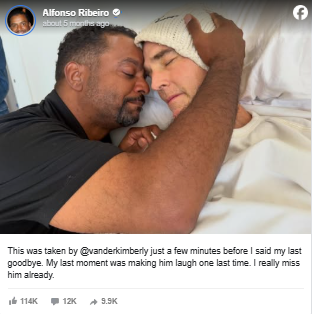
He underwent a colonoscopy and later described expecting that the examination would provide reassurance or reveal a manageable digestive problem. Instead, the gastroenterologist informed him that cancer had been found. Van Der Beek said he experienced shock after receiving the result. The diagnosis marked the beginning of a private period of treatment and adjustment before he chose to speak publicly about his condition and the assumptions he had once held about who could develop colorectal cancer.
When announcing his diagnosis, Van Der Beek said he wanted to raise awareness. He continued to share parts of his experience while also asking that his family’s privacy be respected. The actor was married to Kimberly Van Der Beek and was the father of six children. His public comments frequently reflected the emotional importance of his family as he underwent treatment and reconsidered his priorities, health, and understanding of mortality.
On February 11, 2026, Van Der Beek’s family announced that he had died at the age of 48 following his experience with colorectal cancer. His wife said he faced his final period with courage, faith, and grace. Obituaries from major publications remembered his career, including Dawson’s Creek, the football drama Varsity Blues, and later dramatic and comedic television appearances. They also noted his willingness to discuss cancer and encourage greater awareness before his death.
Van Der Beek’s experience is not evidence that exercise and nutritious food have no value. A healthy lifestyle can contribute to general well-being and may help reduce the risk of various diseases. However, it cannot guarantee that a person will never develop cancer. Colorectal cancer can affect individuals with different body types, routines, diets, and fitness levels. Age remains an important risk factor, but diagnoses can also occur in adults younger than the ages historically associated with the disease.
Health specialists have expressed particular concern about increasing colorectal cancer incidence among younger adults. The American Cancer Society reports that incidence and mortality have been rising among people younger than 65, while clinicians have urged younger adults not to ignore rectal bleeding or sudden and persistent changes in bowel habits. This does not mean that such symptoms are usually cancer, but it does mean age alone should not be used to rule out the possibility without an appropriate clinical assessment.
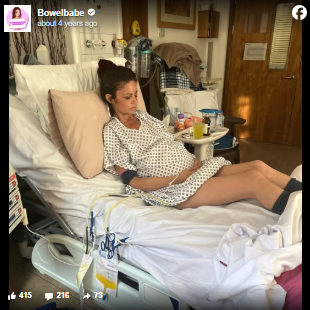
Years before Van Der Beek made his diagnosis public, Dame Deborah James became one of Britain’s best-known bowel cancer campaigners. A former teacher and BBC broadcaster, she was diagnosed in December 2016 at the age of 35. Her cancer was initially classified as stage 3 and later progressed to stage 4. She documented many parts of her illness through her “Bowelbabe” writing and broadcasting, using humor, honesty, and direct language to encourage people to understand the symptoms of bowel cancer.
Before receiving her diagnosis, Deborah experienced significant and continuing symptoms. She publicly described losing weight, passing blood, making unusually frequent visits to the bathroom, and feeling profoundly tired. Irritable bowel syndrome was considered as a possible explanation, but the symptoms continued. Deborah remained concerned that something more serious might be happening and pursued further investigation, eventually undergoing a colonoscopy that identified a cancerous and ulcerated tumor.
Her story demonstrates an important distinction between common digestive conditions and symptoms that require renewed medical attention. Irritable bowel syndrome can cause abdominal pain, bloating, diarrhea, constipation, and changes in bowel habits, but rectal bleeding and unexplained weight loss require assessment because they may indicate another condition. A person whose symptoms continue after an initial consultation should report the persistence, describe any changes clearly, and seek additional evaluation when medically appropriate.
Deborah did not argue that patients should diagnose themselves or assume the worst whenever their digestion changes. Instead, her central message was that people know what is normal for their own bodies and should ask for professional guidance when a persistent change feels unusual. She repeatedly encouraged members of the public to overcome embarrassment about discussing bowel movements, bleeding, or other digestive symptoms. Her advocacy helped make conversations about bowel cancer more visible and easier for many families to approach.
After her diagnosis, Deborah underwent years of treatment while writing and broadcasting about the physical and emotional realities of cancer. She became a co-host of the BBC podcast You, Me and the Big C, where she and other contributors discussed cancer without avoiding difficult topics. Her work combined personal experience with interviews and public-health information, while her growing audience helped bring wider attention to bowel cancer among younger adults.
In May 2022, Deborah announced that active treatment was no longer effective and that she was receiving end-of-life care at her parents’ home. During that period, she established the Bowelbabe Fund to support cancer research and initiatives connected with earlier diagnosis and personalized treatment. She was also appointed a Dame for her charitable and public-awareness work. Deborah James died on June 28, 2022, at the age of 40, more than five years after her original diagnosis.
Although the circumstances surrounding the two diagnoses were different, both Van Der Beek and Deborah James publicly described initially considering less serious explanations for changes involving their bowel habits. Their experiences should not be used to make a diagnosis about another person. They can, however, reinforce a responsible health message: a persistent or worsening symptom deserves medical attention, particularly when it is accompanied by blood, weight loss, pain, anemia, or severe fatigue.
Screening is also important because it can identify precancerous growths or detect cancer before symptoms appear. The American Cancer Society recommends that adults at average risk begin regular colorectal cancer screening at age 45. Screening choices may include stool-based tests, visual examinations such as colonoscopy, and certain other approved methods. People with a family history, inherited syndrome, previous polyps, inflammatory bowel disease, or other increased-risk factors may need to begin earlier or follow a different schedule determined by a healthcare professional.
Screening recommendations apply to people who do not have symptoms. Anyone experiencing rectal bleeding, persistent bowel changes, unexplained weight loss, continuing abdominal pain, or unusual weakness should not simply wait until reaching the routine screening age. Such symptoms warrant a medical conversation regardless of age. Only a clinician with access to the person’s history and appropriate testing can determine the likely cause.
The experiences of James Van Der Beek and Dame Deborah James ultimately became connected to public awareness, although neither person chose to be defined only by illness. Van Der Beek was an actor, husband, and father whose work reached viewers across several decades. Deborah was a teacher, broadcaster, writer, mother, and fundraiser whose advocacy created a lasting charitable legacy. Sharing their documented experiences responsibly means preserving that wider context while avoiding exaggeration, unsupported conclusions, and fear-based health claims.

