
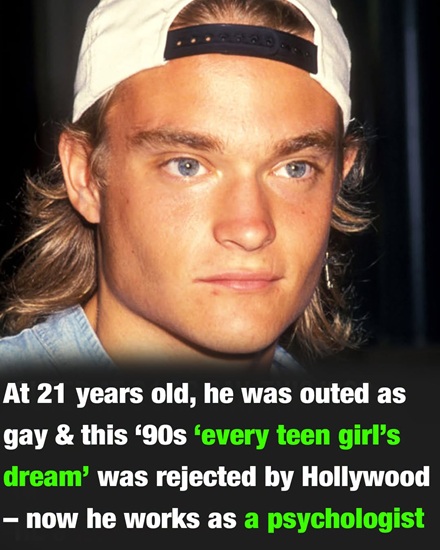
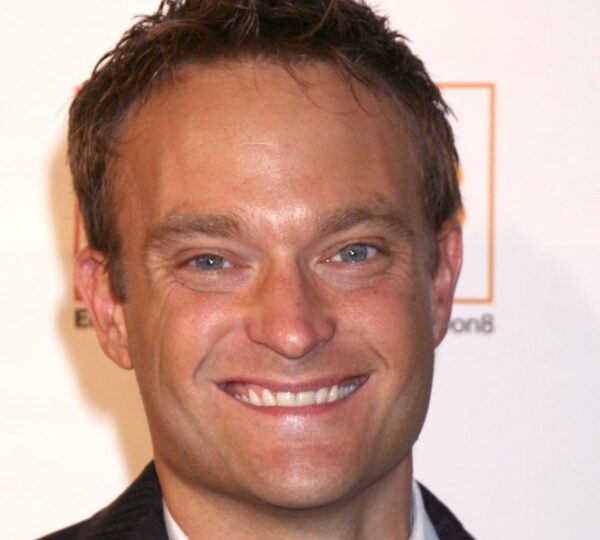
For many television viewers growing up during the 1980s and 1990s, Chad Allen was one of the most recognizable young actors in American entertainment. With his friendly smile, natural screen presence, and memorable performances in several successful television series, he quickly became a familiar face in millions of homes. Behind the public success, however, was a young performer navigating the extraordinary pressures that often accompany childhood fame.
Over the years, Allen’s life would evolve far beyond acting, becoming a story of personal growth, resilience, recovery, and ultimately a career dedicated to helping others. Born on June 5, 1974, Chad Allen began acting professionally at an early age. Like many successful child performers, his introduction to television came through auditions that demonstrated both his natural talent and his ability to connect emotionally with audiences.
One of his earliest notable performances came in the acclaimed medical drama St. Elsewhere, where he portrayed a young boy with autism. To prepare for the role, Allen later recalled that his mother helped him understand that children with autism sometimes experience the world differently. That early experience introduced him to the importance of empathy, careful observation, and understanding people whose experiences differed from his own.
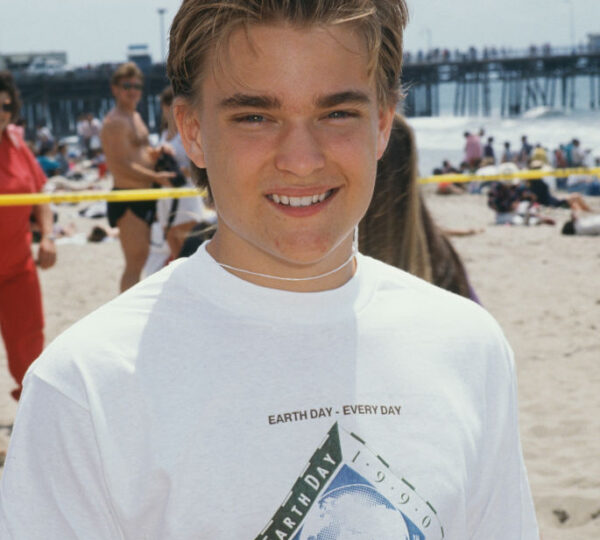
Soon afterward, Allen appeared in several television productions that established him as one of Hollywood’s busiest young performers. Guest appearances on series such as Airwolf helped introduce him to wider audiences, while family-oriented television dramas soon made him a household name. His performances earned praise from critics and viewers alike, and award nominations followed as his career continued to expand. At an age when many children were focused on school activities and playground friendships, Allen was spending long days on professional television sets, learning scripts, rehearsing scenes, and working alongside experienced actors and directors.
As his popularity grew, Allen became known for starring in successful series including Our House and My Two Dads. These programs enjoyed strong audiences and helped establish him as one of television’s most recognizable young actors. Magazine covers, promotional photographs, press interviews, and public appearances became regular parts of his professional life. While many young performers dream of such opportunities, Allen has since explained that fame also came with challenges that were difficult for a child to fully understand. Professional responsibilities often replaced many of the ordinary experiences associated with growing up.
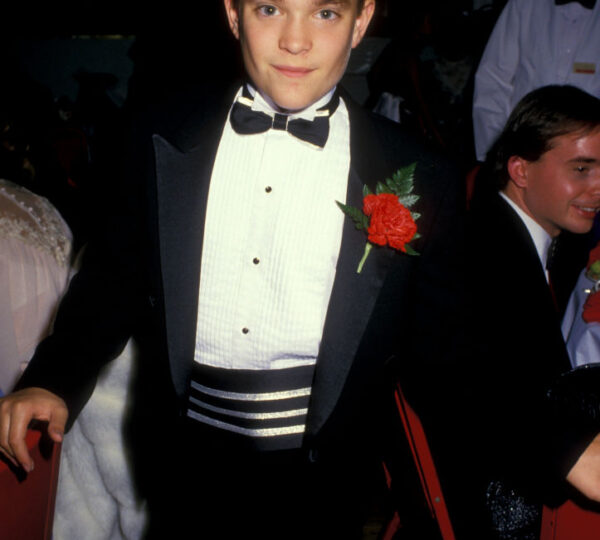
Years later, Allen reflected that although he genuinely loved acting, he gradually became uncomfortable with the commercial aspects of childhood celebrity. He explained in interviews that he enjoyed pretending to be different characters, but eventually realized that the entertainment industry surrounding those performances had become increasingly focused on image, publicity, and business. As he matured, he began asking deeper questions about who he was outside the characters he portrayed on screen. Those questions became increasingly important as adolescence brought new responsibilities and greater public attention.
During his teenage years, Allen noticed that public expectations often shaped how others viewed him. Entertainment magazines, publicity campaigns, and promotional events presented a carefully managed public image that sometimes differed from how he experienced everyday life. Looking back, he has described feeling curious about the difference between his public persona and his private identity. Like many young people transitioning into adulthood, he wanted the opportunity to better understand himself beyond the expectations created by a successful acting career.
At around sixteen years old, Allen made a decision that surprised many people in the entertainment industry. Rather than continuing to pursue every available acting opportunity, he chose to spend more time experiencing aspects of adolescence that had previously been difficult to enjoy because of his professional commitments. Returning to a more traditional educational environment allowed him to build friendships, participate in school activities, and explore interests outside television. He later spoke positively about becoming involved in theater at school, describing it as a creative environment that felt very different from the commercial pressures associated with being a television celebrity.
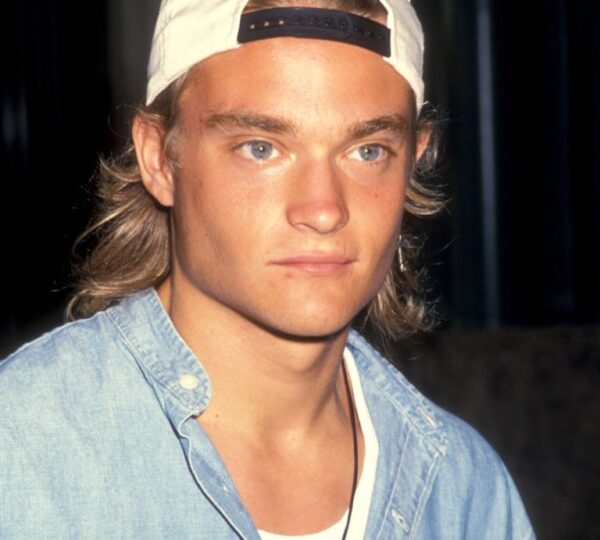
Although acting remained an important part of his life, Allen’s priorities gradually began to evolve. The theater community offered opportunities for artistic collaboration without many of the publicity demands that accompanied mainstream television success. Those experiences broadened his understanding of performance and creativity while helping him develop greater confidence outside the carefully managed image that had surrounded his early career. Looking back, he has described this period as an important stage in discovering who he wanted to become as an adult rather than simply continuing the path others expected him to follow.
Like many individuals who achieve fame at a young age, Allen later acknowledged facing significant personal challenges during adulthood. In interviews discussing his life, he has spoken openly about developing alcohol dependence and the emotional struggles that accompanied it. He has explained that addiction gradually affected many aspects of his life, leaving him increasingly isolated despite years of public recognition and professional success. Those experiences would eventually become a turning point, encouraging him to seek recovery and begin a new chapter focused on personal healing.
Allen has since shared that choosing recovery required honesty, determination, and the support of trusted friends and professionals. While the process was neither quick nor easy, he has credited recovery with helping him regain stability and develop a deeper understanding of himself. That journey would later influence many of the decisions that shaped the next phase of his life, ultimately leading him toward a profession centered on compassion, mental health, and supporting others facing difficult personal challenges.
One of the most significant turning points in Chad Allen’s life came during the mid-1990s, when intense public attention shifted from his acting career to his private life. In 1996, a tabloid newspaper published photographs of Allen with another man without his consent. The publication generated widespread media coverage at a time when discussions surrounding sexual orientation were often handled very differently than they are today. Allen has since spoken openly about how difficult that experience was, explaining that the sudden loss of privacy created enormous emotional pressure while he was still building both his career and his personal identity.
In later interviews, Allen explained that he did not want such a personal part of his life to become a public headline. He acknowledged feeling frightened by the attention and the uncertainty surrounding how the news might affect his family, friends, and professional future. Although many people close to him already knew he was gay, he has said that being placed in the national spotlight before he felt ready was an emotionally challenging experience. His story has since been discussed as an example of the unique pressures that public figures can face when personal matters become the subject of widespread media attention.
Allen has also spoken about the reactions of those closest to him. He described the conversations with his parents as deeply emotional, noting that every family processes unexpected news differently. Over time, he has reflected on those experiences with compassion, emphasizing that understanding often develops through honest communication and patience. His willingness to discuss those moments publicly has resonated with many people who have experienced difficult family conversations involving identity, acceptance, and personal growth.
Professionally, Allen has acknowledged that the period following the tabloid coverage brought new challenges. In interviews, he has said that acting opportunities became less frequent and that he found it increasingly difficult to secure auditions for major television projects. While many factors can influence an actor’s career, Allen has shared his personal belief that the publicity surrounding his private life affected some professional opportunities available to him at the time. His comments have contributed to broader discussions about representation and equality within the entertainment industry over the past several decades.
Despite those difficulties, Allen gradually began focusing on a different future. Rather than viewing the changes in his career as an ending, he came to see them as an opportunity to pursue another long-standing interest: psychology and mental health. Returning to higher education required years of academic study, clinical training, and professional preparation. He eventually earned a Doctorate in Clinical Psychology and became licensed to practice, demonstrating the same dedication that had characterized his acting career years earlier.
Allen later established Confluence Psychotherapy, where he works with individuals facing a variety of emotional and psychological challenges. His practice reflects his belief that healing often begins with understanding, compassion, and meaningful human connection. While he does not define his work solely through his own life experiences, he has acknowledged that overcoming personal struggles helped him develop greater empathy for others navigating trauma, addiction, grief, identity, and life transitions.
In addition to his clinical work, Allen has participated in conversations about mental health awareness, recovery, and LGBTQ+ visibility. Throughout interviews and public appearances, he has encouraged respectful dialogue and emphasized the importance of treating every individual with dignity. Rather than focusing on celebrity, he has increasingly chosen to use his public platform to discuss personal growth, resilience, and the value of seeking professional support during difficult periods of life.
Today, Allen’s daily routine looks very different from the fast-paced world of television production that defined his childhood. Instead of spending long days on film sets, much of his time is devoted to meeting with clients, continuing professional education, enjoying time outdoors, and maintaining a quieter lifestyle. He has described finding fulfillment in helping people work through challenges and develop healthier ways of understanding themselves and their relationships.
Looking back across more than four decades, Chad Allen’s story illustrates how a person’s life can evolve far beyond the career that first brought public recognition. His journey includes early success as a child actor, the pressures of growing up in the public eye, personal struggles with addiction, difficult moments involving privacy and identity, recovery, and ultimately a transition into a profession centered on helping others. Rather than being defined solely by his years in Hollywood, Allen has built a second career dedicated to supporting mental health and emotional well-being.
Although many people continue to remember him for his memorable performances on television, Allen’s legacy today extends beyond entertainment. His openness about recovery, his commitment to psychology, and his work with patients demonstrate how personal challenges can become opportunities for growth and service. His life reflects the possibility of change, resilience, and lifelong learning, showing that success can be measured not only by public recognition but also by the positive impact a person has on the lives of others.

