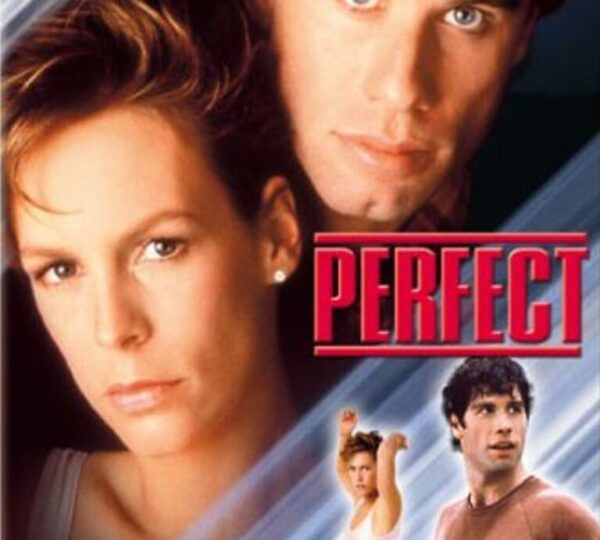
Hollywood history is filled with films that appeared destined for success long before audiences ever purchased a ticket. Sometimes a talented cast, an experienced director, a generous production budget, and major studio backing seem to guarantee a box-office hit. Yet the film industry has repeatedly demonstrated that commercial success is never certain. One of the most interesting examples from the 1980s is Perfect, released in 1985 and starring John Travolta and Jamie Lee Curtis.
Despite featuring two of Hollywood’s biggest stars, the film struggled both critically and commercially, eventually becoming remembered as one of the decade’s most surprising disappointments. At the time production began, both leading actors were already widely recognized. John Travolta had become an international star through performances in Saturday Night Fever (1977) and Grease (1978), establishing himself as one of the defining actors of the late 1970s. Jamie Lee Curtis had earned recognition through films such as Halloween, Trading Places, and A Fish Called Wanda would later further strengthen her career. Their pairing attracted significant public attention because each actor brought a loyal audience and considerable popularity to the project.
The film was directed by James Bridges, an Academy Award-nominated filmmaker known for character-driven dramas. Columbia Pictures reportedly invested approximately $20 million in the production, a substantial budget for the period. Expectations within the industry were correspondingly high. Many observers anticipated that the combination of established stars, experienced filmmakers, and an ambitious production would produce one of the year’s major box-office successes. Instead, Perfect earned considerably less than expected during its theatrical release, eventually grossing roughly $12.9 million worldwide, making it a financial disappointment relative to its production costs.
The story follows magazine journalist Adam Lawrence, portrayed by John Travolta, who works for Rolling Stone magazine. Initially assigned to investigate a successful businessman suspected of criminal activity, Lawrence simultaneously begins researching an article examining the rapidly growing fitness industry in the United States. During this assignment he meets Jessie Wilson, played by Jamie Lee Curtis, an accomplished aerobics instructor who views journalists with skepticism and questions whether they accurately represent the people they interview. Their evolving relationship forms the emotional center of the film while also exploring media ethics, personal privacy, and fitness culture during the 1980s.
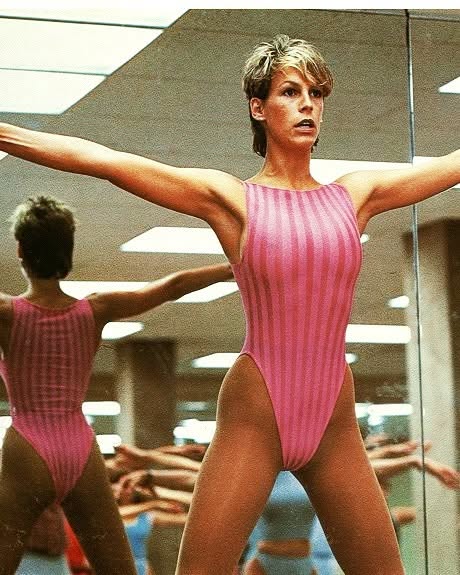
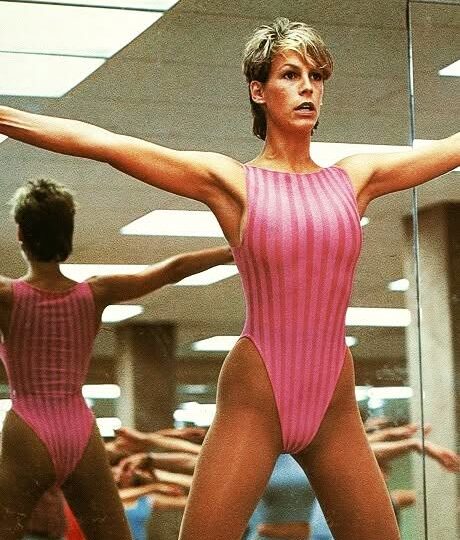
When Perfect entered production, aerobics had become a major cultural phenomenon throughout North America. Exercise classes, brightly colored athletic clothing, home workout programs, and celebrity fitness instructors had become highly visible aspects of popular culture. The filmmakers attempted to capture this trend by incorporating numerous scenes inside health clubs featuring energetic group exercise sessions, contemporary music, and elaborate choreography. These sequences were intended to reflect the enthusiasm surrounding the fitness movement that characterized much of the decade.
Jamie Lee Curtis approached the role with remarkable commitment. In interviews conducted during production, she explained that she had always enjoyed athletics and physical fitness, making the opportunity particularly appealing. Before filming began, she underwent months of physical preparation to perform demanding exercise routines convincingly. The production schedule required most of the aerobics sequences to be filmed before many dramatic scenes, ensuring consistency in her physical appearance throughout the movie. Curtis later revealed that the demanding schedule and strict diet resulted in her losing approximately ten pounds of muscle by the conclusion of filming.
To promote the film, Curtis also participated in additional publicity efforts, including appearances connected to the movie’s soundtrack. Her dedication reflected the cast’s belief that the project had significant potential. Throughout production, the filmmakers invested considerable time refining choreography, camera movements, and staging to create visually dynamic exercise sequences that they hoped would distinguish the film from other contemporary dramas.
However, once the film reached theaters, many critics focused heavily on these workout scenes rather than on the central story. Numerous reviews argued that certain sequences were considerably longer than necessary and relied extensively on close-up photography that drew attention away from the film’s broader themes. Several reviewers felt the emphasis on visual spectacle overshadowed character development and interrupted the overall pacing of the narrative. These critical observations became among the most frequently discussed aspects of the movie following its release.
Jamie Lee Curtis later acknowledged publicly that she shared some reservations regarding the final editing of several aerobics sequences. In interviews given after the film’s release, she explained that she believed portions of those scenes remained on screen longer than necessary. Curtis commented that the filmmakers intended these moments to communicate emotional intimacy between characters without traditional romantic scenes, yet she felt the editing choices sometimes emphasized visual presentation more than the underlying emotional storytelling. Her comments reflected creative differences regarding the finished film rather than criticism of the cast or production team.
Production itself proved considerably longer than originally anticipated. Initial schedules reportedly estimated approximately 81 days of filming, but the project ultimately required about 140 shooting days before completion. Jamie Lee Curtis humorously remarked in interviews that the lengthy schedule exceeded the combined production time of several of her previous films. Director James Bridges defended the extended timeline by explaining that he preferred taking additional time whenever necessary to achieve the artistic quality he envisioned, believing audiences would ultimately judge whether the investment had been worthwhile.
Another noteworthy aspect of the production involved its attention to detail. Because filming inside the actual Rolling Stone magazine headquarters was impractical, production designers constructed an elaborate recreation of the magazine’s offices on soundstages in Los Angeles. Even more unusually, Jann Wenner, co-founder and longtime editor of Rolling Stone, appeared in the film portraying a fictionalized version of a magazine editor. Wenner later stated that he believed the film presented magazine journalism with considerable authenticity despite the dramatic liberties required for storytelling.
Although Perfect received mixed-to-negative reviews upon release, the film has gradually attracted renewed interest among movie enthusiasts, historians, and fans of 1980s cinema. Modern audiences often view it within the broader context of the decade’s popular culture, fitness trends, fashion, and evolving approaches to filmmaking. While opinions regarding its artistic success continue to vary, the movie remains an interesting example of how ambitious productions with talented casts can still produce unexpected results at the box office, illustrating the unpredictable nature of the film industry itself.
Although Perfect struggled commercially following its theatrical release in 1985, its reputation has gradually evolved over the decades. Film history has shown that some productions initially dismissed by critics or overlooked by audiences eventually develop a dedicated following. Rather than disappearing entirely, Perfect has become one of those films frequently revisited by movie enthusiasts interested in 1980s cinema, Hollywood history, and the careers of its leading actors. While it is still not generally regarded as a major critical success, many viewers today appreciate it for reasons that differ from those originally intended by its creators.
One reason for this renewed interest is the film’s value as a cultural time capsule. The fashion, music, fitness trends, hairstyles, and production design all reflect a very specific period in American popular culture. During the mid-1980s, aerobics classes, brightly colored workout clothing, and health clubs experienced enormous popularity, and Perfect captured that movement in a way few other films attempted. For modern audiences, these scenes provide an interesting glimpse into an era when organized fitness became a major part of everyday life for millions of people.
The soundtrack has also remained one of the film’s most memorable elements. Featuring music from artists such as Whitney Houston, Jermaine Jackson, Berlin, and Wham!, the soundtrack reflected the musical landscape of the decade. Even viewers who remain divided on the film itself often acknowledge that its music contributes significantly to its nostalgic appeal. Combined with energetic choreography and colorful production design, the soundtrack helps preserve the distinctive atmosphere of mid-1980s popular entertainment.
John Travolta’s participation has also become more interesting when viewed within the context of his broader career. Before Perfect, he had already achieved worldwide fame through landmark performances in Saturday Night Fever and Grease. Following the disappointing commercial performance of Perfect, however, his film career temporarily slowed, leading to a several-year period with relatively few starring roles. His eventual resurgence in the 1990s, particularly after Quentin Tarantino’s Pulp Fiction (1994), has encouraged many film historians to revisit earlier projects like Perfect to better understand the different stages of his career.
Despite the film’s financial disappointment, Travolta has consistently spoken respectfully about the experience of making Perfect. In later interviews, he explained that he valued the opportunity to work again with director James Bridges and appreciated the friendships formed during production. Rather than expressing regret, he has described the project as an important part of his professional journey, demonstrating an attitude shared by many experienced actors who recognize that every film contributes to their development regardless of its commercial outcome.
Jamie Lee Curtis has likewise reflected thoughtfully on the production over the years. While she has openly discussed her concerns regarding the editing of several aerobics sequences, she has also spoken positively about the opportunity to collaborate with respected filmmakers and performers. Curtis has frequently emphasized that every role teaches valuable lessons and contributes to an actor’s growth. Her willingness to discuss both the strengths and weaknesses of the production has helped audiences better understand the creative decisions involved in filmmaking.
Among the most discussed aspects of Perfect remains its famous aerobics choreography. Curtis later explained that these sequences were originally intended to communicate emotional development between the main characters through movement rather than conventional romantic scenes. However, she felt some of the editing choices placed greater emphasis on visual spectacle than she personally preferred. Her comments have often been cited in discussions about artistic collaboration, demonstrating how directors, actors, editors, and producers may hold different perspectives regarding the final presentation of a film.
Interestingly, decades later, Jamie Lee Curtis chose to revisit the film with humor rather than embarrassment. During an appearance on The Tonight Show Starring Jimmy Fallon, she enthusiastically recreated the famous aerobics routine that had become one of the movie’s defining moments. Fallon joined her in a playful recreation of the choreography, with both performers embracing the nostalgic spirit of the original scene. Their lighthearted performance introduced Perfect to a new generation of viewers while showing Curtis’ ability to laugh affectionately about one of the most recognizable moments of her career.
Film critics and historians have also reexamined Perfect through the lens of changing audience expectations. Some reviewers continue to criticize aspects of its pacing and storytelling, while others argue that certain performances, particularly Jamie Lee Curtis’ portrayal of Jessie Wilson, deserve greater appreciation than they initially received. Over time, discussions surrounding the film have become more balanced, acknowledging both its shortcomings and its historical significance within 1980s Hollywood.
The movie has even earned recognition within the category commonly referred to as “cult films.” Publications discussing unusual or misunderstood movies have included Perfect among productions that gained appreciation long after their original theatrical release. Rather than being remembered solely for disappointing box-office numbers, it is now frequently discussed because of its unique style, memorable performances, ambitious production, and its unmistakable connection to the culture of the 1980s.
Today, Perfect serves as a reminder that commercial performance does not always determine a film’s long-term cultural impact. Some productions resonate immediately with audiences, while others require years—or even decades—for viewers to appreciate them from a different perspective. Whether watched as a romantic drama, a snapshot of 1980s fitness culture, or an important chapter in the careers of John Travolta and Jamie Lee Curtis, the film continues to generate discussion among movie fans, historians, and critics. Its legacy ultimately reflects both the unpredictable nature of filmmaking and the enduring fascination audiences have with Hollywood history.
