

Lindsey Graham’s decades-long career in American public service came to a sudden and unexpected end when his office announced that the longtime South Carolina senator had died on the evening of Saturday, July 11, 2026, at the age of 71. The brief statement described his passing as the result of a “brief and sudden illness” and asked the public to respect the privacy of his family during an incredibly difficult time. The announcement immediately prompted reactions from political leaders, military colleagues, and supporters across the United States.
While many official details about his final medical emergency have not been released, the news marked the end of one of the most recognizable and influential Republican careers in modern American politics. Only hours after the announcement, additional information began emerging about the events that unfolded before Graham was transported to the hospital. According to reports based on emergency scanner communications, first responders were dispatched to Graham’s Capitol Hill residence after receiving a call concerning a person experiencing severe chest pain.
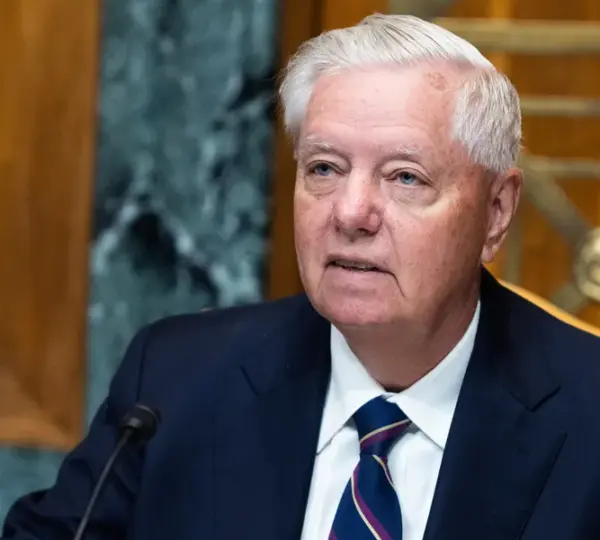
Emergency crews responded quickly, but the situation reportedly became far more serious within a short period of time. Radio traffic later indicated that cardiopulmonary resuscitation (CPR) was underway as medical personnel continued providing life-saving treatment at the scene before transporting the senator to George Washington University Hospital. Although the recordings offered a timeline of the emergency response, Graham’s office has not publicly identified an official medical cause of death beyond describing it as a sudden illness.
Witnesses living near Graham’s Washington residence also described an unusually large emergency response on the evening of July 11. Neighbors reported seeing ambulances and emergency personnel arrive at the property before an older man was eventually placed onto a stretcher and moved into an ambulance. Photographs shared by nearby residents appeared to show first responders working rapidly as they prepared to leave for the hospital. While emergency personnel acted quickly, officials have not released additional medical information explaining exactly what occurred during those final moments.
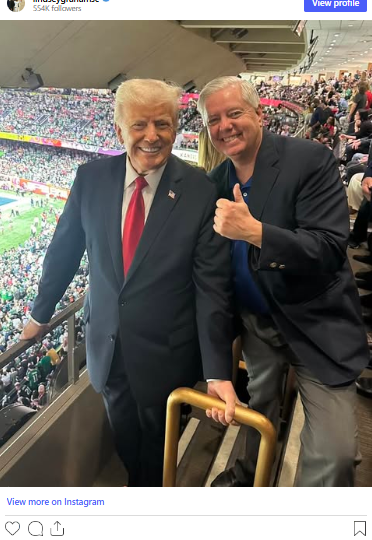
Investigators have instead allowed the official statement from Graham’s office to remain the primary public explanation regarding his passing. The timing of Graham’s death surprised many because he had remained actively engaged in public duties only days earlier. Shortly before returning to Washington, he had traveled overseas as part of a bipartisan congressional delegation visiting Ukraine. During meetings in Kyiv, Graham spoke publicly alongside Ukrainian officials and discussed efforts to strengthen international pressure on Russia through additional sanctions legislation.
For many years, Graham had been among the Senate’s strongest advocates for robust American support of allies, increased defense spending, and a forceful foreign policy. His visit to Ukraine reflected the continued commitment to international affairs that had defined much of his Senate career. Throughout his years in Congress, Graham became widely recognized for his outspoken positions on national security, military affairs, judicial appointments, and foreign policy. Although his political alliances evolved over time, he remained one of the Senate’s most influential Republican voices.
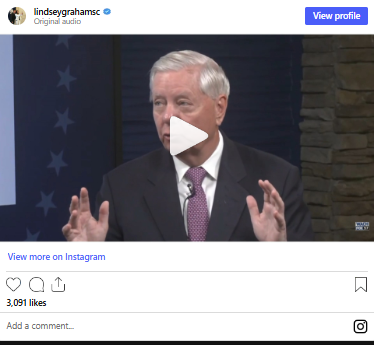
During the 2016 presidential campaign he competed unsuccessfully for the Republican nomination before eventually becoming one of Donald Trump’s closest congressional allies. Their relationship grew considerably after the election, with Graham frequently supporting major legislative initiatives and judicial confirmations while maintaining a prominent role within Senate leadership. His ability to influence debate on both domestic and international issues made him one of the chamber’s most recognizable lawmakers.
News of Graham’s passing quickly prompted tributes from political figures across the country. South Carolina Governor Henry McMaster described him as a devoted public servant who spent decades fighting for both his state and the nation. Other Republican leaders praised Graham’s dedication to military service, national defense, and public office, while colleagues from both parties acknowledged his willingness to engage in difficult policy debates even when disagreements arose. International leaders also expressed condolences, recognizing Graham’s long-standing involvement in foreign affairs and his support for American alliances abroad. The widespread response reflected the significant role he played throughout more than three decades in national politics.
Graham’s death also carries immediate political consequences. Under South Carolina law, Governor McMaster has the authority to appoint an interim replacement to fill the vacant Senate seat until a special election can be held according to state procedures. His passing temporarily reduces the Republican Party’s Senate majority, making future legislative negotiations even more closely watched in Washington. Graham had already been campaigning for another term before his sudden death, and his absence now creates one of the most significant Senate vacancies of the current congressional session. Political observers expect considerable attention to focus on the appointment process and the eventual election that will determine who permanently succeeds him.
Before entering national politics, Graham built an extensive military career that remained an important part of his public identity throughout his life. After earning degrees from the University of South Carolina, he served on active duty as an attorney in the United States Air Force before continuing his military career through the Air National Guard and Air Force Reserve.
Over more than three decades of military service, he participated in legal assignments connected to operations overseas and ultimately retired with the rank of colonel. Graham frequently cited his military experience when discussing defense policy, veterans’ issues, and international security, arguing that those years helped shape his understanding of American leadership around the world.
Long before becoming a nationally recognized senator, Graham grew up in the small town of Central, South Carolina, where his parents operated a family restaurant and pool hall. He often spoke publicly about his modest upbringing and the responsibilities he accepted after losing both parents while still a young adult. Those early experiences influenced his determination to pursue higher education, military service, and eventually public office.
From serving in the South Carolina legislature to representing his state in both the U.S. House of Representatives and the Senate, Graham’s career reflected decades of continuous public service. As the nation now reflects on his life and legacy, many supporters remember not only his political influence but also the dedication and perseverance that carried him from a small South Carolina town to one of the most powerful legislative chambers in the world.

