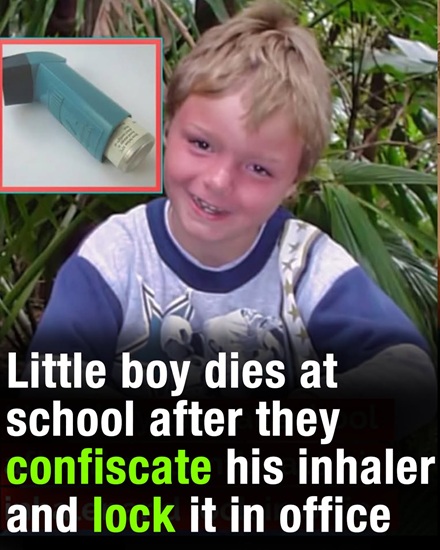
Asthma is a serious respiratory condition that affects millions of children worldwide. In severe cases, an asthma attack can become life-threatening within minutes if proper medication is not available. The tragic case of Ryan Gibbons became one of the most influential examples of how emergency medication access in schools can determine life or death outcomes for students with asthma. Ryan Gibbons was a young student in Ontario, Canada, who lived an active life and enjoyed outdoor activities like sports and hiking.
Like many children with asthma, he carried prescribed medication intended to help manage sudden breathing difficulties. However, school policies at the time required that inhalers be stored in the school office rather than kept directly with students, a rule that would later become the center of national debate. On the day of the incident in 2012, Ryan experienced a severe asthma attack while at school during physical activity.

According to widely reported accounts, he did not have immediate access to his rescue inhaler when symptoms began. Efforts were made by classmates and staff to assist him, but the delay in reaching his medication had tragic consequences. Ryan’s condition worsened rapidly, and despite emergency response efforts, he did not survive.
The incident took place at a school in Ontario, Canada, and deeply affected the local community and the country as a whole. It raised urgent questions about school safety policies, particularly those involving students with medical conditions that require immediate treatment. At the center of the discussion was the policy that restricted students from carrying their inhalers with them during school hours.
Following the tragedy, Ryan’s mother, Sandra Gibbons, became an advocate for change. She publicly spoke about her experiences and the challenges she faced in ensuring her son had consistent access to his medication at school. She explained that despite providing medical documentation and requesting exceptions, the school’s policy continued to prevent Ryan from keeping his inhaler on his person.

Her advocacy efforts led to widespread public support and increased awareness about asthma management in educational environments. Many parents, healthcare professionals, and advocacy groups began to question whether existing school rules were adequately protecting children with medical needs.
As discussions grew, policymakers in Ontario introduced legislative changes aimed at preventing similar tragedies in the future. This led to the creation of Ryan’s Law, officially known as legislation that requires schools to allow students with asthma to carry their inhalers with them, provided they have proper medical authorization.
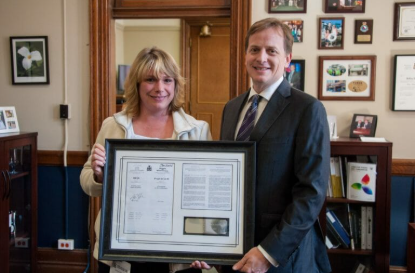
The law represented a major shift in how schools manage chronic medical conditions. Instead of requiring medication to be stored away in administrative offices, students are now permitted to keep their prescribed inhalers within reach, such as in their pocket or backpack. This change was designed to ensure immediate access during emergencies, which is critical for asthma management.
Healthcare organizations and advocacy groups widely supported the new law. Medical experts emphasized that asthma attacks can escalate quickly and that delays in administering inhaled medication can significantly increase the risk of severe outcomes. The introduction of Ryan’s Law was therefore seen as an important step in improving student safety across the province.
Sandra Gibbons has often been credited with leading the public effort that contributed to the law’s passage. Her advocacy highlighted the importance of listening to families directly affected by medical emergencies in schools. She described the experience of losing her son as life-changing and emphasized that greater awareness and better preparedness could help prevent similar tragedies.
The impact of Ryan’s story extended beyond Ontario. It contributed to broader discussions in other regions about whether students should be allowed to carry emergency medication such as inhalers and epinephrine auto-injectors. In many places, school policies have since been reviewed to ensure faster access to life-saving treatments.
Asthma remains a significant global health issue, and medical experts continue to stress the importance of early intervention during attacks. Education about recognizing symptoms and ensuring immediate access to medication is considered essential in reducing risk.
The legacy of Ryan Gibbons is therefore closely tied to public health policy and school safety reform. His case is frequently referenced in discussions about pediatric asthma management and emergency preparedness in educational settings.
Today, Ryan’s Law stands as an example of how one tragic incident can lead to systemic change. While the loss of Ryan Gibbons remains deeply painful for his family and community, the legislative reforms introduced in his memory aim to ensure that students with asthma are better protected in the future.
