
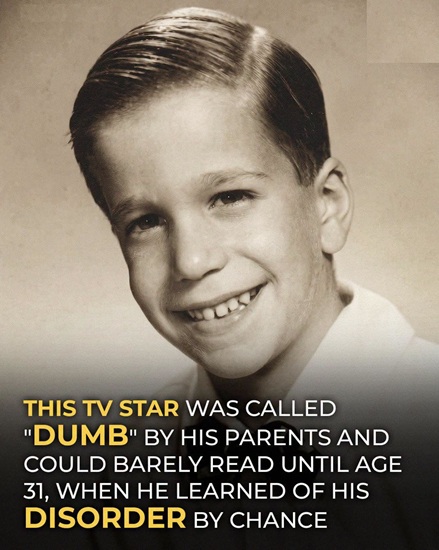
Henry Winkler is an American actor, director, producer, and author, best known for his role as Arthur “Fonzie” Fonzarelli on the television series Happy Days. Born in 1945 in New York City to Jewish immigrant parents from Germany, Winkler grew up in a strict household shaped by the experiences of his family’s escape from Nazi Germany. His early life was marked by emotional pressure, academic struggle, and undiagnosed learning difficulties.
As a child, Winkler struggled significantly in school due to dyslexia, a learning disorder that affects reading, writing, and processing written language. During his early education, dyslexia was not well understood, and many children with the condition were often mischaracterized as lazy or unmotivated. Winkler has spoken publicly about how difficult it was to keep up academically and how this impacted his confidence throughout his childhood and teenage years.
Despite these challenges, Winkler showed strong determination and a desire to succeed. He applied to multiple colleges and was eventually accepted into several institutions. He earned his undergraduate degree from Emerson College in Boston before pursuing his passion for acting. Later, he was accepted into the Yale School of Drama, where he received formal training that helped shape his professional career in performance.
After completing his studies at Yale, Winkler began working in theater, commercials, and small television roles. Like many actors starting out in Hollywood, his early career involved auditions, rejections, and gradual progress. His breakthrough came in 1974 when he was cast as Arthur “Fonzie” Fonzarelli in the television series Happy Days, which became one of the most popular sitcoms of its era.
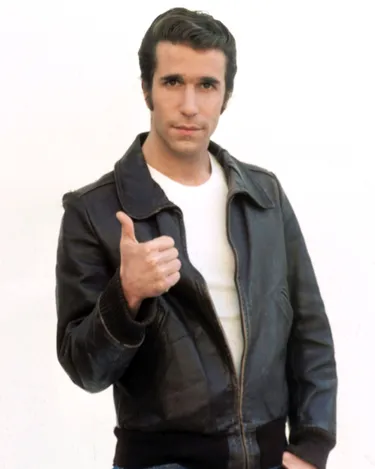
The character of Fonzie quickly became a cultural icon, known for his cool personality, leather jacket, and catchphrases. Winkler’s performance made him a household name and established him as one of television’s most recognizable actors of the 1970s and early 1980s. Despite his public success, Winkler continued to struggle privately with reading scripts due to his undiagnosed dyslexia.
To manage his condition during filming, Winkler relied heavily on memorization and listening skills. He often learned his lines through repetition and auditory methods rather than reading scripts traditionally. This approach allowed him to perform effectively on screen while adapting to the challenges of his learning difference without public awareness at the time.
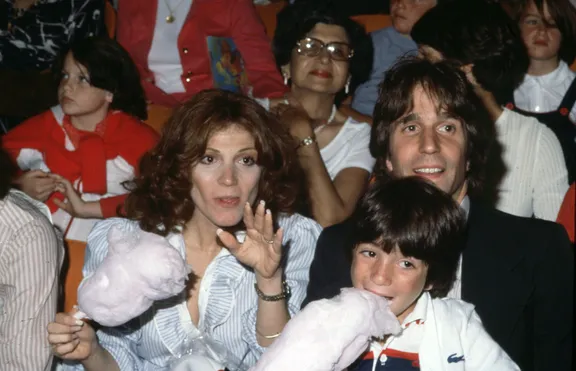
Winkler’s dyslexia was not formally identified until he was an adult, many years after he had already achieved fame. The diagnosis came after he observed similar learning challenges in his stepson, which led to further evaluation. This realization helped him understand the lifelong difficulties he had faced in education and professional environments.
After Happy Days ended in 1984, Winkler entered a transitional phase in his career. Like many actors strongly associated with a single iconic role, he faced challenges in finding new leading roles. During this time, he shifted his focus toward producing and directing, expanding his work behind the camera.
One of Winkler’s notable contributions during this period was his involvement in developing the television series MacGyver, where he served as an executive producer. This work demonstrated his ability to succeed beyond acting and established him as a versatile figure in the entertainment industry.
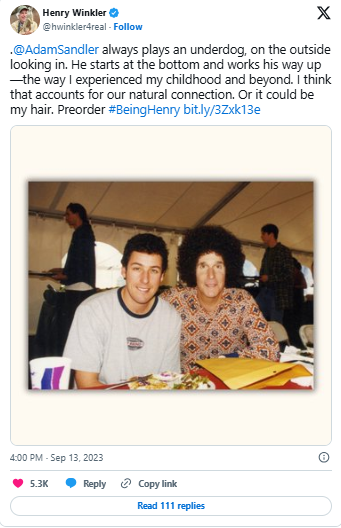
In the years that followed, Winkler continued working in film and television in a wide variety of roles. He appeared in productions such as Arrested Development, where he played Barry Zuckerkorn, earning renewed critical and audience appreciation. His later career showed his adaptability and longevity in Hollywood across multiple decades.
Beyond acting, Winkler became an accomplished author, particularly in children’s literature. He co-wrote a series of books inspired by his own experiences with dyslexia. These books aim to encourage children who struggle with reading and learning difficulties, offering messages of resilience and self-confidence.
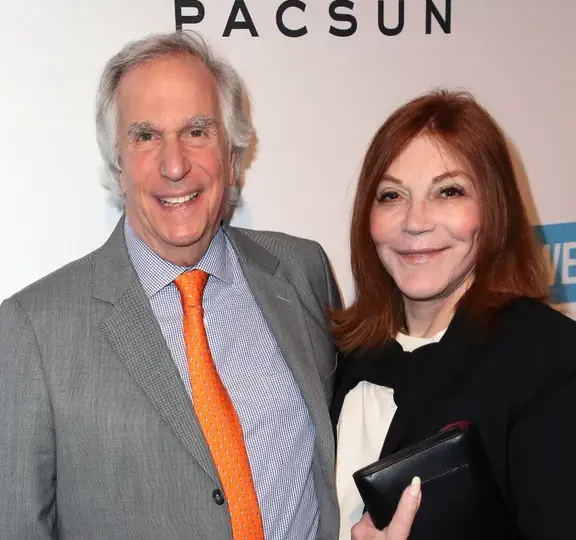
Winkler’s personal life has also been an important source of stability. He married Stacey Weitzman in 1978, and the couple built a long-lasting relationship. Together, they raised a blended family and supported each other through personal and professional challenges over the decades.
Over time, Winkler became a public advocate for dyslexia awareness. He has spoken openly about his struggles in school and how they shaped his life, encouraging others with learning differences to pursue their goals without fear of failure. His story has become widely recognized as an example of overcoming educational barriers through persistence and adaptation.
In addition to acting and writing, Winkler has received numerous awards and honors throughout his career, recognizing both his entertainment achievements and his contributions to public awareness of learning disabilities. His influence extends across television, film, education advocacy, and children’s literature.
Today, Henry Winkler is regarded not only as a successful actor but also as an inspirational figure who demonstrates that learning differences do not define a person’s potential. His journey from a struggling student to a celebrated Hollywood figure continues to inspire audiences around the world.

