
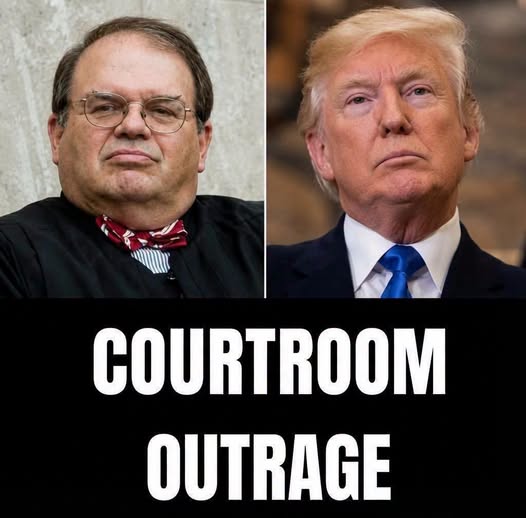
The question of who is permitted to serve in the armed forces of the United States has long been shaped by a combination of executive authority, military policy, and constitutional interpretation. Over the years, various administrations have adjusted military service rules to reflect evolving political priorities, medical standards, and civil rights considerations. Among the most debated modern issues is the eligibility of transgender individuals to serve openly in the military, a subject that has repeatedly moved between executive policy changes and judicial review.
At the center of this debate is the balance of power between the executive branch and the judiciary. The President of the United States, acting as Commander-in-Chief, holds significant authority over military organization and personnel policy. However, this authority is not absolute. Federal courts have the power to review military-related policies when they are challenged under constitutional principles such as equal protection and due process. This creates an ongoing tension between national security discretion and constitutional oversight.
Over the past decade, transgender military service policies have changed multiple times depending on the administration in power. Some policies have expanded access to service, allowing transgender individuals to serve openly under defined medical and administrative guidelines. Other policy shifts have introduced restrictions based on arguments related to military readiness, medical costs, and unit cohesion. Each policy change has often been followed by legal challenges in federal courts.
Courts reviewing these policies typically examine whether government restrictions are supported by legitimate governmental interests or whether they may be influenced by unlawful discrimination. In some rulings, judges have questioned whether certain restrictions were justified by evidence related to military effectiveness. In other cases, courts have emphasized that military decisions are entitled to a degree of deference due to the specialized nature of defense and national security operations.
A key legal concept that often appears in these cases is whether a policy may have been motivated by “animus,” a legal term referring to prejudice or hostility toward a particular group. When courts consider this factor, they are not only evaluating the stated justification of a policy but also examining its underlying intent. If a policy is found to be driven by discriminatory intent without sufficient justification, it may be struck down under constitutional review.
Supporters of restrictive military policies often argue that courts should avoid interfering in military personnel decisions. They maintain that the armed forces operate under unique conditions where discipline, readiness, and operational effectiveness must take priority. From this perspective, judicial intervention risks undermining the chain of command and introducing instability into systems designed for national defense.
On the other hand, civil rights advocates argue that military service should not exclude individuals solely based on identity when they are otherwise qualified to serve. They emphasize that the Constitution applies equally to all institutions, including the military, and that courts have a duty to prevent discrimination even within national defense structures. This position holds that professional military judgment must still comply with constitutional protections.
The ongoing legal debate reflects a broader structural issue within American governance: the separation of powers. The executive branch implements and manages military policy, Congress provides statutory authority and funding, and the judiciary ensures constitutional compliance. When these roles overlap, especially in politically sensitive areas such as military service eligibility, disputes are often resolved through federal litigation and appellate review.
Policy instability has also been a recurring concern. As different administrations revise military service rules, service members and defense agencies must adjust to new regulations, training standards, and administrative procedures. This creates a cycle in which policies shift over time, sometimes leading to uncertainty within military planning and recruitment systems.
Despite these challenges, the judicial system continues to play a central role in evaluating whether military policies align with constitutional requirements. Courts generally avoid directly managing military operations, but they do intervene when legal thresholds are met. This careful balance reflects an attempt to respect both national security needs and individual constitutional rights.
In conclusion, the debate over transgender military service and related personnel policies highlights a deeper constitutional question in the United States: how to balance executive military authority with judicial oversight and civil rights protections. While policy positions may shift over time with political leadership, the legal framework ensures that such decisions remain subject to constitutional review. This dynamic interaction between branches of government continues to shape how the United States defines equality, readiness, and service in its armed forces.

