
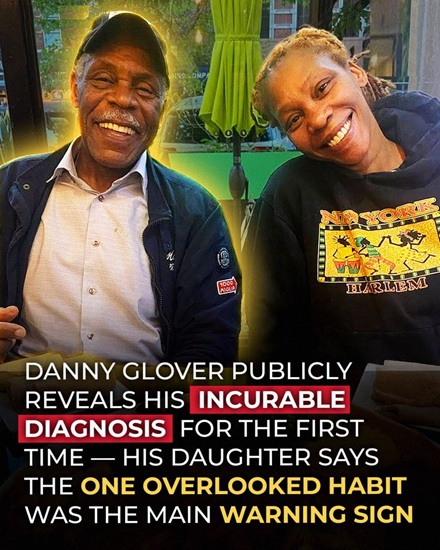
Danny Glover, the acclaimed actor known for his roles in films such as Lethal Weapon, The Color Purple, and Places in the Heart, has long been recognized not only for his work in Hollywood but also for his humanitarian efforts and activism. Over a career spanning several decades, Glover has built a reputation as both a respected performer and a committed advocate for social justice causes. In a recent interview shared with TODAY, Glover appeared alongside members of his family, offering a more personal look into his life beyond the screen.
The conversation focused not only on his career achievements but also on his health, family support, and the changes he has experienced in recent years. A Career Spanning Decades in Hollywood. Danny Glover’s career in film and television spans more than forty years. He rose to prominence through powerful performances that showcased his range as an actor, often portraying complex and emotionally grounded characters. His role as Detective Roger Murtaugh in the Lethal Weapon franchise became one of his most iconic performances, contributing to his global recognition.
Beyond action films, Glover has appeared in critically acclaimed dramas and stage productions, building a diverse portfolio of work that has earned him respect across the entertainment industry. His contributions to film have also extended behind the camera, where he has worked as a producer and collaborator on socially conscious projects.

Throughout his career, Glover has been widely regarded as an artist who blends entertainment with deeper social meaning, often choosing roles that reflect broader human and societal themes.
Family Participation in His Story
In the recent interview, Glover’s daughter, Mandisa Glover, participated alongside him, speaking about the importance of allowing her father to share his own experiences directly. She emphasized that it was meaningful for him to express his perspective in his own words rather than through public speculation or external interpretation.
Her comments highlighted a broader theme of personal storytelling and family support. According to her, the timing of the interview represented an opportunity for openness and honesty, especially as questions about his health had become part of public discussion in recent years.
Family members expressed that being present during the conversation was important not only for support but also for ensuring that his story was shared with clarity and respect.
Discussion of Health and Privacy
During the interview, Glover addressed aspects of his health, noting that he has been living with a neurological condition that he had previously chosen to keep private. While specific medical details were not the central focus of the discussion, the conversation touched on the challenges of navigating health changes later in life while remaining active in both personal and professional spheres.

He reflected on the process of understanding his condition and adjusting to it over time. His remarks emphasized acceptance, adaptation, and continued engagement with life and work despite ongoing changes.
Media coverage of the interview also referenced earlier reports suggesting that Glover had spoken about receiving a diagnosis in recent years. However, the overall tone of the discussion remained centered on personal experience, family support, and maintaining dignity while dealing with health-related challenges.
Early Signs Noticed Within the Family
Family members shared that subtle changes in memory and behavior became noticeable over time. These observations, according to interviews, were part of what eventually led to medical evaluation and further understanding of his condition.
His daughter described how her father had always been known for his strong memory and ability to recall detailed events from the past. When small differences began to appear, the family became more attentive to his well-being.
These reflections were shared not as clinical statements, but as personal experiences from a family observing changes over time. They emphasized care, concern, and emotional awareness rather than medical analysis.
Support From Family and Close Relationships
Throughout the interview, a strong theme of family support was evident. Glover expressed appreciation for the presence and assistance of his loved ones as he navigates this stage of life.

He stated that having his family close provides reassurance and stability. His brother and other relatives also shared their commitment to supporting him, emphasizing unity and shared responsibility within the family.
This support system was described as an essential part of his daily life, helping him maintain a sense of continuity and connection.
Continued Work and Public Engagement
Despite changes in his personal circumstances, Glover has remained active in various forms of public engagement. Over the years, he has participated in humanitarian work, advocacy programs, and cultural initiatives focused on social justice, education, and global development.
His involvement with international organizations, including roles connected to humanitarian outreach, has been a significant part of his legacy outside of acting. These efforts have included advocacy for economic equality, healthcare access, and education initiatives in different regions of the world.
Glover’s work in this area has been widely recognized and has contributed to his reputation as an artist committed to social impact beyond entertainment.
Reflections on Acting and Public Life
In the interview, Glover also reflected on his long career in acting and the cultural impact of his work. He spoke about the importance of storytelling and how film and art can help people understand complex social realities.
He emphasized that storytelling remains a powerful tool for reflection and awareness. According to him, art has the ability to open conversations, challenge perspectives, and provide insight into human experience.
These reflections highlight a consistent theme throughout his career: the connection between artistic expression and social awareness.
The Importance of Narrative Control
A key point raised during the interview was the importance of controlling one’s own narrative. Family members and Glover himself expressed that sharing personal experiences in his own voice was important in addressing public curiosity and ensuring accuracy.
This idea reflects a broader issue faced by public figures, where personal health and private life often become topics of public discussion. By participating directly in the interview, Glover contributed to shaping how his story is understood.
Danny Glover’s recent interview offers a personal and reflective look at a life that spans decades of artistic achievement, public service, and family connection. While he remains widely known for his iconic roles in film and his humanitarian work, this conversation highlighted the importance of family support and personal honesty in navigating life’s challenges.
The presence of his family, the discussion of health, and the reflection on his career all contribute to a broader portrait of a public figure who continues to engage with both his past and present in a meaningful way.
As he continues to move forward, Glover’s story remains one of resilience, artistic legacy, and the enduring role of family in shaping personal strength and perspective.

