

Vaccines have been one of the most significant public health achievements in modern history, helping prevent millions of illnesses and deaths around the world. Over the past century, advances in medical research have transformed the way vaccines are developed, tested, and distributed. Diseases that once caused widespread outbreaks and claimed countless lives have become far less common in many parts of the world because of routine immunization programs.
Although scientific knowledge continues to evolve, the primary goal of vaccination remains the same: to help the body’s immune system recognize and respond to harmful pathogens before they can cause serious disease. As researchers continue to improve vaccine technology, new opportunities are emerging to protect people against both existing and future health threats. Vaccines work by training the immune system without causing the disease they are designed to prevent
. Instead of exposing the body to the full effects of an infection, vaccines introduce harmless components of a virus or bacterium—or instructions that allow the body to temporarily produce a harmless protein associated with the pathogen. This process allows the immune system to recognize the threat, produce protective antibodies, and develop immune memory. If a vaccinated person later encounters the actual virus or bacterium, the immune system can respond more quickly and effectively. While no vaccine provides perfect protection in every individual, many significantly reduce the risk of severe illness, hospitalization, and complications.
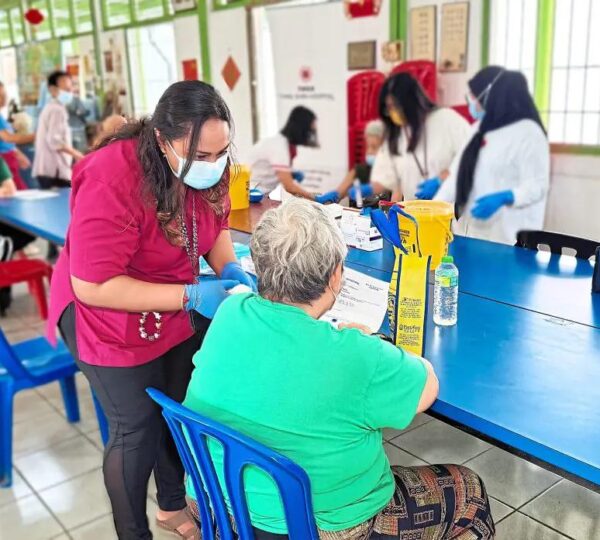
The science behind vaccination has advanced considerably over the past several decades. Earlier vaccines often relied on weakened or inactivated versions of viruses and bacteria. These approaches remain highly effective and continue to protect millions of people every year. However, improvements in biotechnology have introduced additional methods that allow scientists to develop vaccines with greater precision. Modern manufacturing techniques, advanced laboratory tools, and a deeper understanding of the immune system have helped researchers design vaccines that can be produced more efficiently while maintaining rigorous safety and quality standards established by health authorities.
One of the most discussed innovations in recent years has been messenger RNA, commonly known as mRNA, vaccine technology. Although many people first became familiar with this approach during the COVID-19 pandemic, scientists had been studying mRNA for decades before those vaccines became available. Years of laboratory research helped researchers understand how mRNA could safely deliver temporary instructions that encourage human cells to produce a harmless protein. This protein then stimulates an immune response, preparing the body to recognize and defend itself if it encounters the real virus in the future.

Unlike traditional vaccines that may contain weakened or inactive forms of a virus, mRNA vaccines do not contain the live virus itself. The messenger RNA serves only as a temporary set of instructions that is naturally broken down by the body after it has completed its task. It does not enter the cell’s nucleus, where human DNA is stored, and it does not change a person’s genetic material. This distinction has been confirmed through extensive scientific research and has been explained by numerous medical organizations around the world. Understanding how this technology works can help address common questions and reduce confusion surrounding vaccine development.
The rapid development of mRNA vaccines during the COVID-19 pandemic attracted worldwide attention, leading many people to wonder how they were produced so quickly. Scientists explain that the speed resulted from several factors working together rather than from skipping safety procedures. Decades of previous research on mRNA technology, unprecedented international collaboration, substantial funding, and overlapping stages of manufacturing all contributed to the accelerated timeline. Regulatory agencies still reviewed data from laboratory studies, clinical trials, and manufacturing processes before authorizing vaccines for public use according to their established standards.

Clinical trials remain one of the most important steps in vaccine development. Before any vaccine reaches the public, it undergoes multiple phases of research designed to evaluate both safety and effectiveness. Initial laboratory testing is followed by studies involving progressively larger groups of volunteers. Researchers carefully monitor participants for side effects while also measuring how well the vaccine stimulates an immune response and reduces the risk of disease. Independent experts and regulatory agencies review these findings before determining whether the available evidence supports authorization or approval.
Even after vaccines become available, scientific evaluation continues through ongoing safety monitoring systems. Health authorities in many countries collect reports of possible side effects, analyze patterns, and investigate whether reported events are related to vaccination or occurred by coincidence. This continuous surveillance helps scientists identify extremely rare adverse events that may not become apparent during clinical trials involving tens of thousands of participants. When new information becomes available, public health recommendations can be updated accordingly to reflect the latest scientific evidence.
Like all medicines, vaccines may cause side effects, although most are mild and temporary. Common reactions include soreness at the injection site, fatigue, headache, muscle aches, or a low-grade fever that usually resolves within a few days. These responses generally indicate that the immune system is reacting to the vaccine as intended. Serious side effects are uncommon, but health professionals continue to monitor them carefully. Individuals who have questions about vaccination or specific medical conditions are encouraged to consult qualified healthcare providers who can provide personalized medical advice based on their health history.
The benefits of vaccination extend beyond individual protection. When a large portion of a community becomes immune to a disease through vaccination, opportunities for the pathogen to spread decrease. This community-level protection can help safeguard people who cannot receive certain vaccines because of medical conditions, age, or specific treatments that weaken the immune system. Public health experts often emphasize that vaccination programs contribute not only to personal health but also to broader efforts to reduce disease transmission and protect vulnerable populations.
Routine childhood vaccination programs have dramatically reduced the burden of several infectious diseases in many countries. Illnesses such as measles, polio, diphtheria, rubella, and whooping cough once caused widespread outbreaks before vaccines became available. Although these diseases have become less common in regions with high vaccination coverage, they have not disappeared completely. International travel and declining vaccination rates in some communities have occasionally allowed outbreaks to reappear, reminding public health officials that continued immunization efforts remain important for preventing the return of diseases that were once much more common.
Vaccination also plays a major role in protecting older adults and individuals with chronic medical conditions. As people age, the immune system naturally changes, making older adults more vulnerable to certain infections and their complications. Vaccines developed specifically for adults can help reduce the risk of illnesses such as influenza, shingles, pneumococcal disease, and respiratory infections. Healthcare providers often recommend vaccination schedules based on age, health status, occupation, travel plans, and other individual factors to provide the most appropriate level of protection.
Another important area of vaccine research involves seasonal influenza. Because influenza viruses change over time, scientists around the world continuously monitor circulating strains throughout the year. This global surveillance allows experts to recommend updates to seasonal influenza vaccines so they more closely match the viruses expected to circulate during the upcoming flu season. Although effectiveness may vary from year to year depending on how closely the vaccine matches circulating strains, vaccination remains one of the most effective tools available for reducing the risk of severe influenza and its complications.
Beyond preventing infectious diseases, researchers are also exploring how vaccine technology might contribute to other areas of medicine. Scientists are studying therapeutic vaccines designed to help the immune system recognize and fight certain types of cancer. Rather than preventing an infection, these experimental approaches aim to stimulate targeted immune responses against cancer cells. While much of this research is still ongoing, early studies have shown encouraging results in several areas, highlighting the versatility of modern vaccine technology and the potential for future medical advances.

