
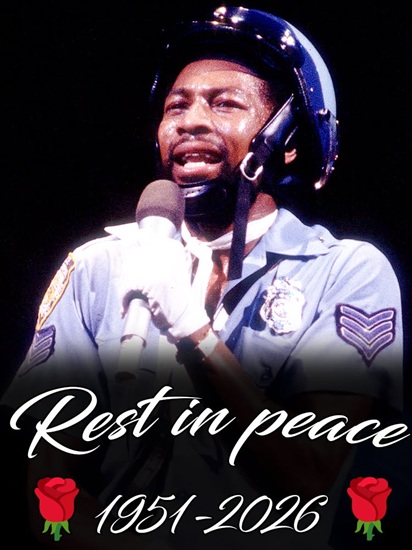
Victor Willis, the legendary lead singer and one of the most recognizable voices of the iconic disco group Village People, has reportedly died at the age of 74. His death was confirmed through statements released by the band and his wife, Karen Huff-Willis, who shared an emotional message announcing the loss. According to the report, Willis passed away on Monday, June 30, 2026, following what was described as a short but aggressive illness. The family has requested privacy during this difficult period.
Willis was widely regarded as a defining voice of the disco era, a period in the 1970s that shaped global pop music and influenced generations of artists. As the lead vocalist of Village People, he played a central role in the group’s rise to international fame. The band became known not only for its catchy and energetic songs but also for its unique visual identity, where each member represented a different cultural or occupational character.
Born on July 1, 1951, in Dallas, Texas, Victor Willis showed an early interest in performance and music. Before achieving global fame, he pursued a career in the performing arts and appeared in Broadway productions. One of his early and notable roles was in the original production of The Wiz, which marked an important step in his artistic development and helped him establish connections in the entertainment industry.

It was during this stage of his career that Willis met French music producer Jacques Morali. This meeting would prove to be a turning point in his life. Together with Morali, Willis became one of the founding figures behind the creation of Village People, a group concept that would soon become one of the most recognizable acts in disco history.
Village People were designed as a theatrical musical group featuring characters inspired by American stereotypes and urban culture. Each member portrayed a specific role, such as a police officer, construction worker, cowboy, biker, or naval officer. This concept, combined with disco rhythms and energetic performances, helped the group stand out in a rapidly growing music scene during the late 1970s.
As the lead singer, Victor Willis became the voice behind many of the group’s biggest hits. His powerful and distinctive vocals were featured on globally successful songs such as Y.M.C.A., Macho Man, In the Navy, and Go West. These tracks became defining anthems of the disco era and remain widely recognized across generations.
Among these songs, Y.M.C.A. stands out as one of the most culturally significant disco tracks ever released. Over time, it evolved beyond its original context to become a global anthem played at sporting events, public celebrations, and major cultural gatherings. Its continued popularity has helped maintain Village People’s relevance long after the peak of the disco era.
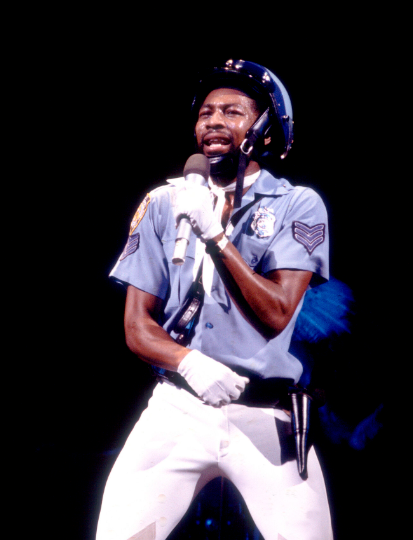
At the height of their success, Village People became a worldwide phenomenon. Their music topped charts across multiple countries, and their performances became known for their high energy, theatrical costumes, and audience engagement. Victor Willis, often performing in roles such as a police officer or naval officer, was a central figure in the group’s stage identity and public image.
Despite their success, Willis left Village People in 1980. His departure marked the end of the group’s original peak lineup, although the band continued performing in different forms over the years. Following his exit, Willis became involved in legal disputes regarding songwriting credits and copyright ownership of some of the group’s most famous songs, reflecting the complexities often associated with major music publishing rights.
After years away from the group, Willis eventually returned to perform with Village People in 2017. His comeback was seen as a significant moment for fans of the band, reconnecting the original voice with the group’s modern performances. His return also renewed public interest in the history and legacy of disco music and the cultural impact of Village People.
In the years following his return, Willis continued to perform at various events, including appearances where Y.M.C.A. remained a central part of the setlist. The song’s lasting popularity has made it one of the most frequently played tracks in global entertainment settings, from sports arenas to political rallies and public celebrations.
Following the announcement of his passing, tributes quickly began to appear online from fans, music enthusiasts, and those who grew up during the disco era. Many people described Willis as a pioneering figure whose voice helped define an entire generation of music. Others reflected on how Village People’s songs remain part of everyday cultural life even decades after their original release.
The response on social media highlighted the enduring impact of disco music and the nostalgic connection many listeners still feel toward the era. Fans shared memories of hearing Village People’s songs in different settings, from nightclubs in the late 1970s to modern-day events where the music continues to be played.
Music historians often note that Village People played a unique role in bridging mainstream pop culture with disco’s theatrical and expressive style. Victor Willis, as the lead vocalist and one of the group’s key creative contributors, helped shape that identity and ensure its lasting legacy.
Willis is survived by his wife, Karen Huff-Willis. Additional details regarding memorial services or public tributes have not yet been publicly announced. The family has requested privacy as they mourn his passing.
His death marks the end of a significant chapter in the history of disco music. However, his influence remains present through the continued global popularity of Village People’s music. Songs like Y.M.C.A. and Macho Man continue to be played across generations, ensuring that his voice and artistic contributions remain part of popular culture.
Victor Willis will be remembered as a central figure in one of the most recognizable musical groups of the 20th century. His work helped define the sound of an era, and his legacy continues to live on through music that remains widely celebrated around the world.

