
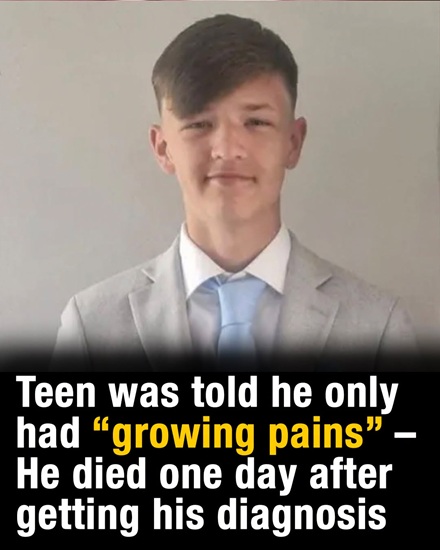
A 16-year-old boy from Greater Manchester, England, has died just one day after being diagnosed with leukemia, according to reports published by UK media outlets including the Daily Mail. The case has drawn attention due to the rapid progression of his illness and the short time between diagnosis and his death. The teenager, identified as Harley Andrews from Leigh in Lancashire, was reportedly admitted to Royal Bolton Hospital on November 8 after his condition worsened.
Prior to his hospital admission, he had visited a doctor weeks earlier after feeling unwell. At that time, his symptoms were reportedly attributed to a viral infection or possibly growing-related discomfort, according to statements from a family friend quoted in media reports. In the weeks leading up to his hospital admission, Harley’s condition appeared to change significantly.
Reports indicate that he later noticed blood in his urine, which prompted his father to take him back to hospital for further medical evaluation. It was during this hospital visit that doctors delivered the devastating diagnosis that he had stage four leukemia, an aggressive form of blood cancer that can progress rapidly and affect multiple organs.
Leukemia is a type of cancer that affects the blood and bone marrow, disrupting the body’s ability to produce normal blood cells. In advanced stages, the disease can lead to serious complications, including internal bleeding, organ damage, and severe infections. In Harley’s case, reports suggest that the illness had already progressed significantly by the time it was discovered.
According to accounts shared with media outlets, the diagnosis came as a shock to both Harley and his family. A family friend and former school teaching assistant described how earlier medical visits had not indicated a serious condition. She explained that it is not uncommon for teenagers to initially present with symptoms that can be mistaken for less severe illnesses, which may delay more extensive medical testing.
After being admitted to hospital on Saturday, Harley’s condition deteriorated rapidly. He died in the early hours of Sunday morning, November 9, just a short time after receiving his diagnosis. The sudden progression of the illness left his family and medical staff deeply affected, according to reports.
Medical professionals note that some forms of leukemia can develop quickly and aggressively, especially in advanced stages. However, each case is different, and outcomes depend on a variety of factors including the type of leukemia, how early it is detected, and how the patient responds to treatment. In cases where the disease is diagnosed late, complications can occur rapidly.
Reports indicate that Harley had been a physically active teenager who enjoyed sports, including football and rugby. Friends and family described him as a lively young person who was engaged in school and community activities. His sudden illness and death have been described by those close to him as unexpected and devastating.
Following his passing, a family friend reportedly created a fundraising page to help support funeral arrangements and assist the family during this difficult time. The tribute described Harley as a kind and energetic young boy who had a positive impact on those around him. It highlighted his love for sports and the joy he found in being part of a team environment.
The GoFundMe message also reflected on his personality, describing him as someone with a warm presence and a bright smile. It stated that he was well known within his local community and that his loss had deeply affected friends, classmates, and neighbors.
Harley was reportedly the second of six children in his family. His death has led to an outpouring of sympathy from the local community, with many expressing condolences and support for his relatives during this difficult time. Community members have also used social media and local networks to share messages of remembrance.
While individual details of medical care are not fully public, the case has highlighted the importance of early detection and thorough investigation of persistent or unusual symptoms in young people. Medical experts often emphasize that symptoms such as unexplained fatigue, unusual bleeding, or persistent illness should be evaluated carefully, although early signs can sometimes resemble common viral infections.
The circumstances surrounding Harley’s illness remain based on reported accounts from family friends and media coverage. As with all such cases, official medical records and detailed clinical findings are not publicly available. Therefore, reporting is limited to confirmed statements and publicly shared information.
Harley Andrews’ death has left a significant impact on those who knew him. Friends, teachers, and community members continue to share tributes remembering him as a young person who enjoyed sports and had a positive presence in his school and local environment. His story has been widely shared in the UK media, reflecting the emotional impact of his sudden passing.
As his family mourns their loss, support efforts continue through community fundraising and public messages of sympathy. The case serves as a reminder of the unpredictable nature of certain illnesses and the importance of medical awareness, particularly in young patients where symptoms may not always present clearly in the early stages.

