
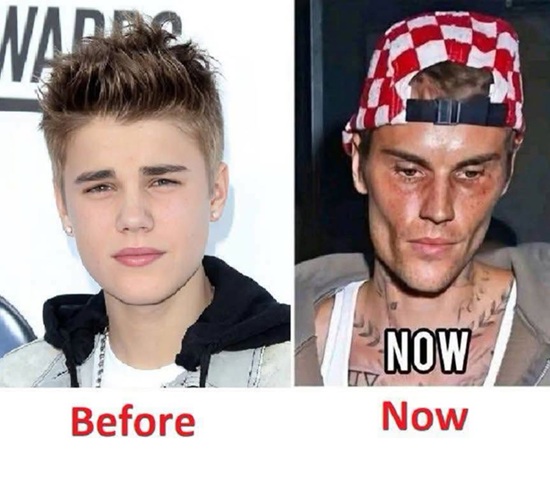
In today’s world of constant digital exposure, public figures often live under an unrelenting spotlight. Every appearance, photograph, or brief video clip can quickly circulate across social media platforms, where it is analyzed, interpreted, and discussed by millions of people. While this level of visibility may seem glamorous from the outside, it also creates significant psychological pressure that can affect both mental and physical health in complex ways. Stress is not only an emotional experience but also a biological process that influences the entire body.
When a person is exposed to prolonged stress, the body releases hormones such as cortisol and adrenaline. These hormones are part of the natural stress response system designed to help the body react to challenges. However, when stress becomes chronic, it can disrupt normal balance in the body and contribute to fatigue, sleep disturbances, appetite changes, and reduced energy levels. Over time, these effects may become noticeable in a person’s overall appearance, though they vary greatly between individuals.
The Demands of a High-Intensity Lifestyle
For individuals working in the global entertainment industry, daily life often involves demanding schedules that extend far beyond performances. International tours, recording sessions, promotional events, interviews, and brand commitments can create a lifestyle with little consistent rest. Frequent long-distance travel adds another layer of difficulty, especially when crossing multiple time zones within short periods.
This kind of travel can disrupt the body’s internal clock, known as the circadian rhythm. When circadian rhythms are disrupted, sleep quality can decline, and the body may struggle to fully recover between work commitments. Irregular sleep patterns can also affect concentration, mood stability, and physical energy levels. These factors combined may lead to visible signs of exhaustion, especially during periods of intense activity.
Similar effects are not exclusive to celebrities. Many professions that involve shift work, frequent travel, or high-pressure environments can produce comparable physical and mental strain over time.
How Stress May Influence Physical Appearance
Scientific research has shown that long-term stress can affect multiple systems in the human body. These may include changes in skin condition, muscle tension, weight fluctuations, and facial expressions that reflect fatigue or tiredness. However, these changes are not consistent for everyone and should not be interpreted as indicators of a specific medical condition.
Facial appearance in particular can naturally change as people age. As individuals move from their twenties into their thirties and beyond, subtle shifts in facial structure, skin elasticity, and fat distribution are common. These natural biological changes can sometimes be misinterpreted when viewed through isolated photographs or short video clips.
It is also important to consider external factors such as lighting, camera angle, and image quality. A single image captured in harsh lighting or after a long journey does not provide a complete or accurate representation of someone’s overall health or condition.
The Role of Social Media in Spreading Misinterpretation
Social media platforms have transformed the way information is shared, but they have also increased the spread of speculation and misinformation. In many cases, short clips or images circulate without context, leading audiences to form conclusions based on incomplete information.
One common issue is the tendency to “diagnose” health conditions based on appearance alone, a practice widely discouraged by medical professionals. Without proper clinical evaluation, it is impossible to determine a person’s health status from images or videos. Factors such as fatigue, stress, lifestyle changes, or temporary illness can all influence appearance in ways that may be misinterpreted.
Additionally, social media algorithms often prioritize content that generates strong emotional reactions. As a result, sensational or alarming posts tend to spread more quickly than balanced or factual information. This can contribute to unnecessary concern or misunderstanding among audiences.
Why Public Concern Is Common and Understandable
It is natural for audiences to feel connected to public figures, especially those whose work has played a meaningful role in their lives. Music, performances, and media appearances often create emotional bonds that make fans more sensitive to changes in appearance or behavior.
Because of this connection, even minor visual changes can sometimes lead to concern. However, it is important to distinguish between emotional response and factual information. Without official confirmation from reliable sources, assumptions about a person’s health remain unverified.
There are many possible explanations for changes in appearance, including stress, workload, lifestyle adjustments, recovery from previous health conditions, or simply the natural aging process. These factors are common and affect all individuals, regardless of fame.
The Importance of Media Literacy and Responsible Sharing
Media literacy plays a crucial role in helping people interpret online information accurately. Understanding how content is created, edited, and distributed allows individuals to make more informed judgments about what they see on social media.
Reliable information should ideally come from verified statements, reputable news sources, or official representatives. In contrast, anonymous posts or unverified claims should be approached with caution. This helps reduce the spread of misinformation and encourages more responsible online behavior.
Respecting personal privacy is also essential. While public figures share aspects of their lives with audiences, they are still entitled to privacy, especially regarding health-related matters.
Human Variation in Stress and Health Responses
Every individual responds differently to stress and lifestyle changes. Some people may experience weight gain during stressful periods, while others may lose weight or feel physically drained. These responses depend on a combination of genetics, environment, sleep quality, diet, and mental health factors.
Stress and anxiety can also influence appetite and energy levels in unpredictable ways. However, these effects vary widely and cannot be used to draw conclusions about someone’s health without proper medical evaluation. Appearance alone is not a reliable indicator of overall well-being.
Understanding this variability is important when interpreting changes in public figures, as it helps prevent misjudgment and unnecessary speculation.
A More Balanced Perspective on Fame and Public Image
Public life often amplifies every aspect of a person’s appearance and behavior. While celebrities may seem distant or larger than life, they experience the same biological and emotional processes as everyone else, including stress, fatigue, aging, and recovery.
The difference lies in visibility. Every change is observed, recorded, and discussed on a global scale, which can sometimes lead to misinterpretation. A more balanced approach involves recognizing that public figures are human beings who experience normal life changes, even under extraordinary circumstances.
Focusing on their work, creativity, and contributions rather than constant physical analysis promotes a healthier and more respectful media culture.
Final Thoughts on Empathy and Understanding
In conclusion, discussions about health and appearance in public figures should always be approached with care, respect, and awareness of context. While curiosity is natural, it is important not to replace facts with assumptions.
Stress, lifestyle demands, and natural aging are all normal parts of life and can influence appearance in ways that are often misunderstood. Social media can amplify these misunderstandings by presenting isolated moments without context.
Ultimately, a more thoughtful and empathetic approach benefits everyone. Public figures deserve the same dignity and understanding as anyone else, and responsible media consumption helps ensure that respect is maintained in the digital space.

