
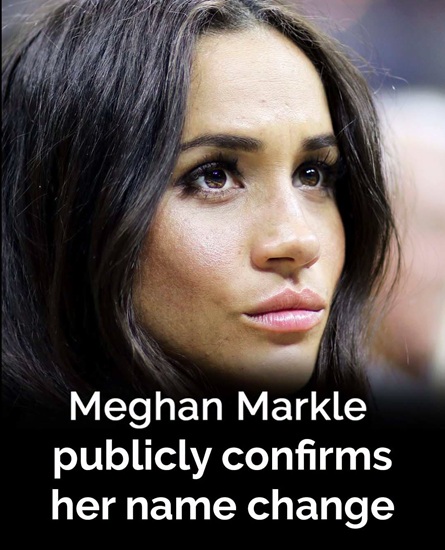
Meghan Markle has recently attracted public attention after being referred to as “Meghan Sussex” in informal media settings. This development has sparked widespread discussion across entertainment news and social media, mainly because it involves royal naming traditions and how members of the British royal family present their identities. While she is officially known as Meghan, Duchess of Sussex, her recent remarks have led to debate about how royal titles can function in everyday use.
The discussion became more noticeable after her appearance in the Netflix series With Love, Meghan. During one conversation, she corrected actress Mindy Kaling when she used her maiden name, explaining that she now identifies more closely with “Sussex.” She mentioned that sharing a family name with her children, Prince Archie and Princess Lilibet, is meaningful to her and represents their unified family identity in a personal way.
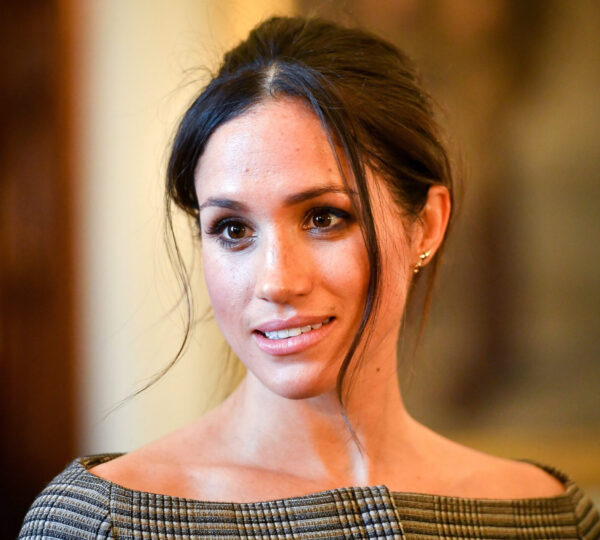
Meghan and Prince Harry were given the titles Duke and Duchess of Sussex by Queen Elizabeth II upon their marriage in 2018. Their children are officially known as Prince Archie of Sussex and Princess Lilibet of Sussex. In royal tradition, “Sussex” is part of their title, but it can also be used informally as a family reference. This practice is not unusual within royal history, as titles have often been used in place of surnames in certain contexts.
In interviews and public comments, Meghan has explained that using “Sussex” feels like an important part of her family life. She has described it as a shared identity that connects her, Prince Harry, and their children. According to her, the name carries emotional value and represents their life together as a family unit rather than only a formal royal designation.
The topic gained further attention when television host Drew Barrymore introduced her as “Meghan Sussex” during a segment on The Drew Barrymore Show. This moment was widely shared online, as it marked one of the first times she was publicly addressed in this way on a mainstream platform. It also contributed to wider discussions about whether this reflects a personal preference or a broader shift in naming conventions.
However, the use of “Sussex” as a surname has also been met with criticism from some royal commentators and members of the public. Critics argue that “Sussex” is technically a geographic title linked to a county in England and not a legal family surname. They often point out that the official royal surname is considered to be “Mountbatten-Windsor” in formal situations, which has led to debate about what should be used in legal or official records.
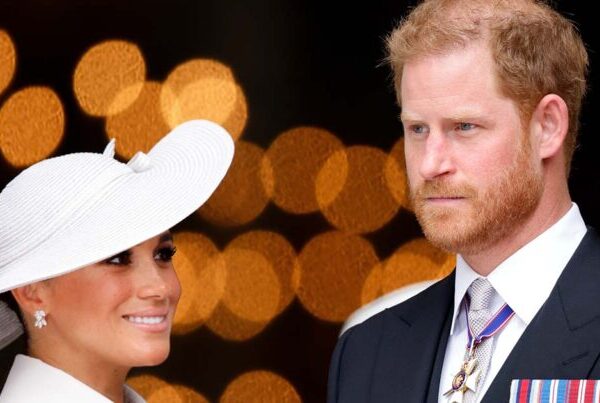
On the other hand, supporters of Meghan’s approach explain that royal naming practices are flexible and have changed over time. Members of the royal family have historically used their titles as surnames depending on context. For example, Prince Harry previously used “Wales” as a surname during his military service, based on his father’s title at the time. This shows that using a title as a family identifier is not new within royal tradition.
Public reaction to the situation has been mixed, with many people sharing different opinions online. Some view “Sussex” as a natural and meaningful family name, while others believe it may cause confusion since it is originally a territorial designation. The debate highlights how modern royal figures navigate tradition while also shaping their personal identities in the public eye.
Meghan’s father, Thomas Markle, has also commented on the issue, expressing disappointment over the reduced use of the Markle surname. He has said that the family name carries personal significance and emotional value. His statements have added a more personal dimension to the public discussion surrounding the topic, showing how family identity can be viewed differently from various perspectives.
Royal experts note that there is generally flexibility in how titles and surnames are used informally. While legal documents may require specific surnames such as Mountbatten-Windsor, public or informal settings often allow the use of titles like Sussex. This explains why different media outlets may refer to Meghan in different ways depending on the context.
In conclusion, the discussion around Meghan Markle and the use of “Sussex” reflects broader questions about identity, tradition, and modern monarchy. It shows how royal names can carry both formal and personal meanings depending on the situation. Whether viewed as a tradition or a personal choice, the topic continues to attract public interest and conversation worldwide.

