
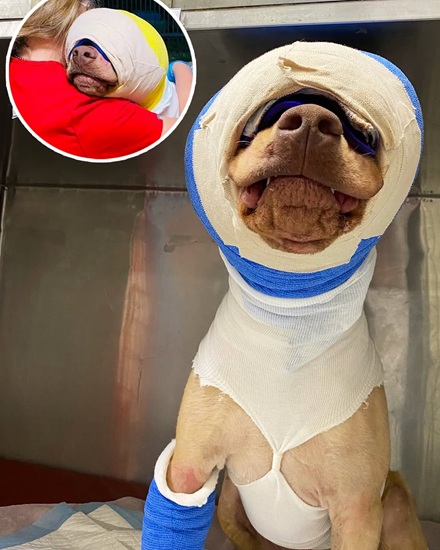
Cases of animal cruelty often leave a lasting emotional impact because they involve innocent animals suffering harm they never deserved. These situations reveal both the darkest sides of human behavior and, at the same time, the compassion and dedication of those who step in to help. One widely known case that drew public attention involved a dog named Buddy, whose story highlighted both extreme suffering and an incredible recovery journey supported by veterinary care.
According to reports from 2021, Buddy was described by the Tunica Humane Society as a gentle, friendly dog who had never posed any threat to people. Despite his calm nature, he became the victim of a brutal attack that left him with severe burns across his face. He was found in critical condition, with extensive injuries requiring urgent medical intervention. In addition to the burns, he was also discovered with an extension cord around his neck, which added to the seriousness of the case.
Authorities later reported that a child under the age of 12 was linked to the incident. Because of the individual’s age, they could not be prosecuted under existing laws. The case sparked public debate about animal protection, responsibility, and the importance of teaching empathy toward animals from an early age. While legal consequences were limited, the immediate priority became saving Buddy’s life and supporting his recovery.
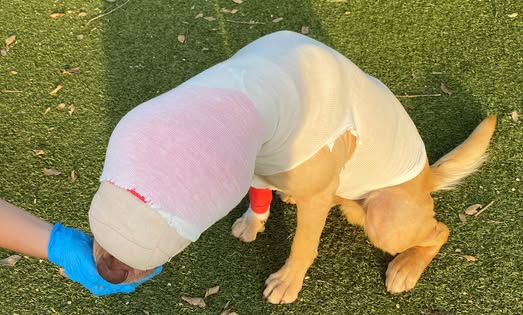
Buddy was taken into the care of the Tunica Humane Society in Mississippi, where he received continuous support from veterinary professionals. He was also treated at the Mississippi State University College of Veterinary Medicine, where specialists worked together to stabilize his condition. His treatment included wound management, pain control, and careful monitoring, as burn injuries require long and delicate care.
Veterinarians explained that recovery from severe burns is a slow and complex process. In Buddy’s case, the early stages were uncertain, and his condition required constant attention. Despite the severity of his injuries, his vital signs remained stable, which gave caregivers some hope for his survival. The medical team focused on keeping him comfortable while gradually addressing complications as they appeared.
One encouraging aspect of Buddy’s condition was that his eyesight appeared to remain intact. Although the surrounding tissue, including his eyelids, was badly damaged, doctors believed there was a possibility of preserving his vision through surgical treatment. This became an important part of his long-term recovery plan and offered additional hope for his future quality of life.
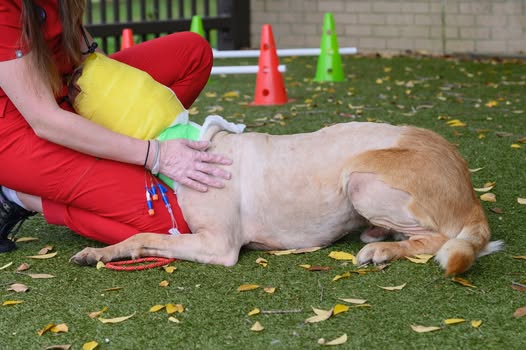
As time passed, Buddy began showing gradual improvement. The Humane Society provided regular updates noting that he was responding positively to treatment. His bandages required frequent changes, and skin graft procedures were performed to help repair damaged areas. Even though progress was slow, each improvement was seen as an important step forward in his healing process.
Over the following weeks and months, Buddy’s condition continued to stabilize. He regained strength and began to move more comfortably. His behavior also started to change, showing signs of increased alertness and engagement with his surroundings. These small but meaningful developments indicated that his recovery was moving in a positive direction.
A major milestone occurred when Buddy’s bandages were adjusted in a way that allowed him to begin experiencing light and visual awareness again. For the first time in a long period, he was able to see without heavy sedation. This moment was considered a significant breakthrough in his recovery and marked the beginning of a new stage in his healing journey.
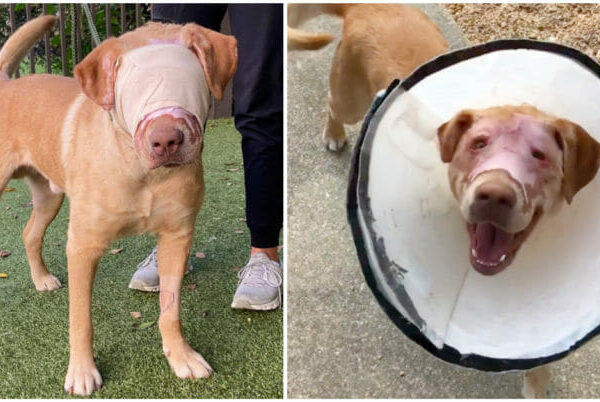
Caregivers reported that once Buddy regained partial vision, his personality began to re-emerge. He became more active, playful, and responsive. Simple actions such as walking around the facility and interacting with toys showed clear signs of emotional improvement. These changes were seen as an important part of both his physical and psychological recovery.
Despite the progress, veterinarians emphasized that Buddy would continue to need lifelong care. His injuries were severe enough that he would require ongoing treatment, including protection for sensitive skin, regular eye care, and precautions against sun exposure. His condition meant that he would always need special attention to ensure his comfort and safety.
The caregiving team also highlighted that Buddy’s recovery involved emotional rehabilitation as well as medical treatment. Helping him rebuild trust, confidence, and comfort around people was just as important as physical healing. His gradual return to normal behavior reflected both the success of his treatment and his natural resilience.
Public reaction to Buddy’s story was strong, with many people expressing sympathy and support as updates were shared. His case also encouraged wider discussions about animal welfare laws and the importance of preventing cruelty through education and awareness. Many followed his journey closely, hoping for positive progress in his condition.
As his recovery continued, Buddy’s improvements became more visible. Caregivers described moments where he showed joy, curiosity, and renewed energy. These developments were seen as meaningful achievements after such severe trauma and demonstrated the impact of consistent veterinary care and compassion.
Ultimately, Buddy’s story became an example of resilience and recovery in the face of extreme adversity. While his injuries left lasting effects, the dedication of veterinarians, caregivers, and supporters gave him a chance to rebuild his life. His journey highlights how medical treatment, patience, and compassion can make a profound difference in the life of an animal.
Today, Buddy’s case remains a reminder of both the importance of preventing cruelty and the power of recovery. Although he continues to require special care, his progress shows that even the most severe injuries can be met with hope when proper treatment and support are provided.

