
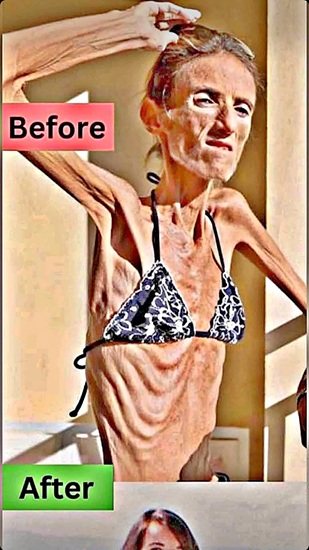
Stories about extraordinary health recoveries often attract widespread attention, especially when accompanied by striking before-and-after photographs. One image that has circulated extensively online shows a woman who appears extremely underweight beside a later photo in which she looks significantly healthier. While the exact background of the image has not been independently verified, it highlights an important reality: people can recover from severe illness, malnutrition, and other serious health conditions when they receive appropriate medical care and support.
Severe weight loss can occur for many different reasons. Medical conditions such as cancer, digestive diseases, chronic infections, eating disorders, and other serious illnesses can all contribute to dramatic changes in body weight. As the body loses both muscle mass and stored fat, everyday activities that once seemed simple can become increasingly difficult. Individuals may experience weakness, fatigue, reduced mobility, and a greater vulnerability to additional health complications.
The path to recovery is rarely quick or straightforward. In most cases, healthcare professionals first focus on identifying the underlying cause of the weight loss. Once the condition is properly diagnosed, doctors can begin developing a treatment plan tailored to the individual’s needs. Depending on the situation, this process may involve medical treatment, nutritional guidance, physical rehabilitation, mental health support, or a combination of several approaches working together.
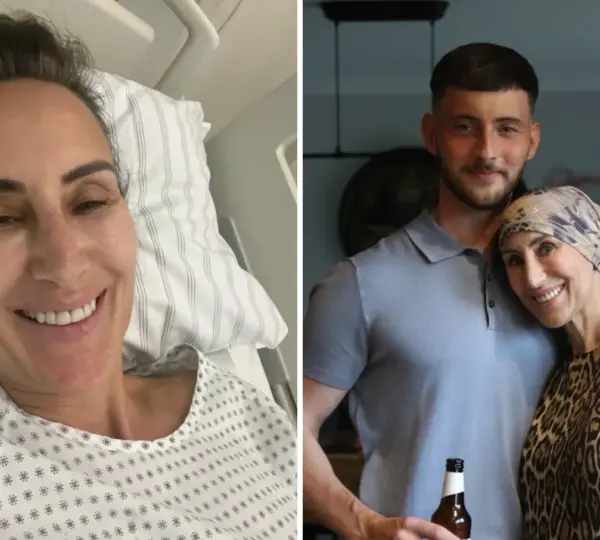
Nutrition often plays a central role in the recovery process. The body requires adequate energy, protein, vitamins, and minerals to repair damaged tissues and rebuild strength. For this reason, registered dietitians and nutrition specialists frequently work alongside physicians to ensure that nutritional improvements occur safely and effectively. Recovery plans are usually carefully monitored to avoid complications and to support long-term health improvements.
Emotional and psychological support can be equally important. Individuals recovering from serious illness often face challenges that extend beyond physical symptoms. Feelings of anxiety, depression, frustration, and reduced self-confidence may accompany long periods of treatment and recovery. Mental health professionals, family members, friends, and caregivers can provide valuable encouragement during these difficult periods, helping individuals remain focused on their progress and future goals.
Although recovery timelines vary significantly from person to person, many individuals experience meaningful improvements when they receive proper care and consistent support. Some recoveries may take several months, while others may require years of dedication, treatment, and rehabilitation. Throughout the process, gradual progress often becomes the foundation for larger improvements in overall health, strength, and quality of life.
Stories of recovery also demonstrate the remarkable adaptability of the human body. Medical research continues to show that the body possesses an impressive ability to heal and rebuild when provided with appropriate treatment, balanced nutrition, and sufficient time. While every situation is unique, many individuals are able to regain strength, restore daily functioning, and return to activities they once feared might no longer be possible.
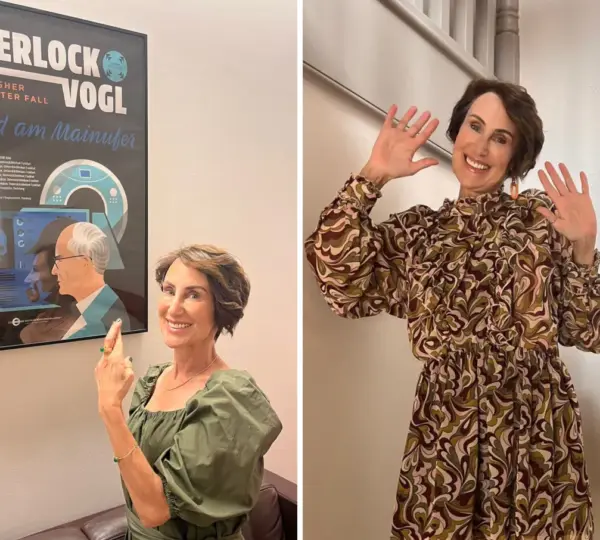
At the same time, it is important to approach viral transformation images with caution. Photographs shared on social media frequently lack important context, medical details, or verified information. Without reliable sources, it is often impossible to determine the exact circumstances behind a person’s appearance or recovery. The changes shown may be related to medical treatment, recovery from an eating disorder, lifestyle adjustments, or many other factors that are not immediately apparent from a single image.
Because of this, health experts encourage people to avoid making assumptions based solely on photographs. Physical appearance alone rarely tells the complete story of an individual’s health journey. Responsible discussions about health should always recognize the complexity of medical conditions and avoid drawing conclusions without verified information.
Regardless of the specific circumstances behind any particular image, the broader message remains both meaningful and encouraging. Many people facing serious health challenges are able to improve their condition and rebuild their lives through medical care, proper nutrition, emotional support, and personal determination. Recovery may not always be easy, but countless individuals demonstrate every year that meaningful progress is possible.
Ultimately, stories of healing serve as reminders of resilience, hope, and the importance of compassionate care. While every person’s journey is different, access to appropriate treatment and support can make a profound difference. For many individuals confronting difficult health struggles, recovery represents not only physical improvement but also the opportunity to regain independence, confidence, and a better quality of life for the future.

