
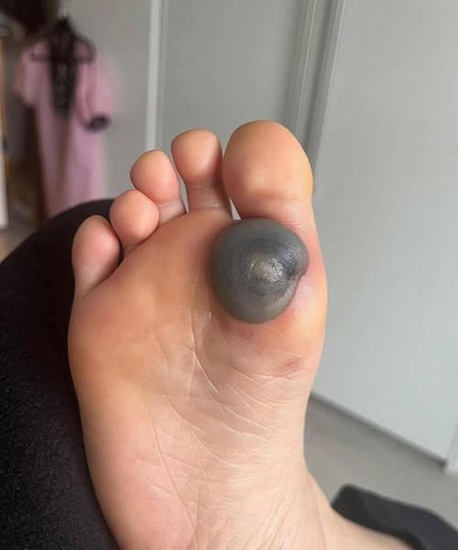
Blood blisters are a common type of skin injury that can appear suddenly and often look more serious than they actually are. Unlike regular blisters filled with clear fluid, blood blisters contain blood that becomes trapped beneath the skin’s surface. This gives them a dark red, purple, or even black appearance, which can be alarming at first sight. In most situations, blood blisters are minor and heal naturally without medical treatment.
They usually develop as a result of small injuries that damage blood vessels under the skin while leaving the outer skin layer intact. Because the skin remains closed, the blood cannot escape and collects in a small pocket beneath the surface. A blood blister forms when tiny blood vessels, called capillaries, break due to pressure, friction, or trauma. Even though the skin on top stays unbroken, the damage underneath leads to bleeding within the tissue.
This trapped blood creates a raised bump that may feel tight, tender, or slightly painful. The appearance of a blood blister can vary depending on how much pressure caused the injury. Some may be small and barely noticeable, while others can be larger and more sensitive. In general, the body naturally begins the healing process once the irritation or pressure is removed.
Common Areas Where Blood Blisters Appear
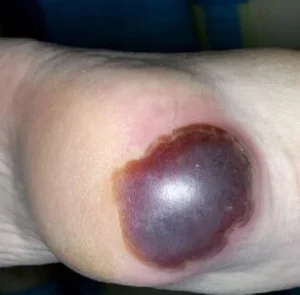
Blood blisters most often develop on areas of the body that experience frequent friction or pressure. The hands and feet are the most common locations because they are regularly exposed to movement and contact.
They frequently appear on fingers, palms, toes, and the soles of the feet. Wearing tight shoes, long walking or running sessions, or using hand tools without protection can all increase the likelihood of developing them. In these cases, repeated rubbing or pressure damages the small vessels beneath the skin.
Blood blisters can also occur inside the mouth, although this is less common. They may form on the cheeks, tongue, or gums, usually due to accidental biting, dental treatments, or irritation caused by braces or dental appliances.
Main Causes and Risk Factors
The most common cause of blood blisters is direct trauma or repeated friction on the skin. Everyday activities such as sports, manual work, or even minor accidents can trigger them. Simple incidents like closing a finger in a door or wearing uncomfortable footwear are enough to cause this condition.
Certain sports that involve repetitive motion or pressure on the skin can also increase the risk. Additionally, individuals who frequently use tools or equipment without protective gloves may be more prone to developing blood blisters.
Some people are naturally more sensitive and may develop blisters more easily. Conditions such as fragile skin, diabetes, circulation problems, or blood-clotting issues can make the skin more vulnerable or slow down the healing process.
Symptoms and Typical Appearance
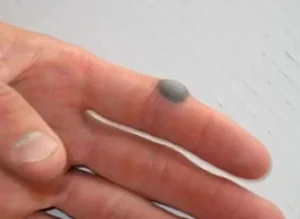
Blood blisters are usually easy to identify based on their appearance. They typically show up as raised bumps filled with dark red, purple, or black fluid under the skin. The surrounding area may appear slightly swollen or irritated.
Most blood blisters cause mild discomfort or tenderness, especially when touched or pressed. However, the pain is usually not severe and tends to decrease as the blister heals naturally.
In most uncomplicated cases, blood blisters heal within one to two weeks without requiring any special medical treatment.
Care and Treatment at Home
In most cases, blood blisters should be left untouched to heal on their own. Health experts generally advise against popping or draining them, as the skin covering the blister acts as a natural protective barrier against infection.
If a blood blister breaks accidentally, the area should be gently washed with clean water and mild soap. After cleaning, applying an antiseptic and covering it with a sterile bandage can help protect the wound and prevent infection.
Reducing pressure on the affected area is also important for faster recovery. Wearing comfortable shoes, avoiding repetitive friction, and resting the affected area can help speed up healing. A cold compress applied for 10 to 15 minutes may also reduce swelling and ease discomfort.
Blood Blisters Inside the Mouth
When blood blisters occur inside the mouth, they can feel more uncomfortable due to constant movement and contact with food. These often happen after accidental bites, dental work, or irritation from braces and other oral devices.
To help manage discomfort, rinsing with warm saltwater can keep the area clean and soothe irritation. It is also recommended to avoid spicy, acidic, or hard foods until the blister has fully healed.
Most oral blood blisters heal on their own within a short period if further irritation is avoided.
When to Seek Medical Advice
Although blood blisters are usually harmless, there are certain cases where medical attention may be necessary. A healthcare professional should be consulted if a blister becomes increasingly painful, shows signs of infection such as pus or redness, or does not heal after two weeks.
Repeated blood blisters appearing without a clear cause may also need further medical evaluation. In rare cases, they could be linked to underlying health conditions that affect the skin or blood vessels.
Early assessment can help rule out complications and ensure proper treatment if needed.
Prevention and Protection
Preventing blood blisters often involves simple protective measures in daily life. Wearing properly fitted shoes is one of the most effective ways to avoid blisters on the feet. Using gloves during physical work or sports can also help protect the hands from friction and injury.
Keeping the skin healthy and avoiding repeated irritation in the same area can significantly reduce the chances of developing blood blisters. For individuals with underlying medical conditions, proper management of their health is also important in prevention.
Final Overview
While blood blisters may look concerning due to their dark color and sudden appearance, they are usually minor injuries that heal naturally over time. Understanding their causes, symptoms, and proper care can help reduce worry and ensure safe healing.
Monitoring how often they appear and how they heal can also provide useful insight into overall skin health. If any unusual changes occur or healing is delayed, seeking medical advice is always the safest option.

