

The life and career of Val Kilmer continue to generate discussion even after his passing, particularly whenever former colleagues share their personal experiences working alongside the acclaimed actor. One of the most recent examples came from filmmaker Adam Marcus, who reflected on his memories from the production of the 2008 thriller Conspiracy. Marcus, known to movie fans for directing Jason Goes to Hell: The Final Friday, offered candid comments about his time working with Kilmer.
His remarks quickly attracted attention online and reignited conversations about the actor’s long-standing reputation within Hollywood. Throughout his career, Val Kilmer established himself as one of the most recognizable performers of his generation. His talent, versatility, and ability to fully immerse himself in a role earned him praise from audiences and critics alike.
Kilmer’s breakthrough years included a series of memorable performances that helped secure his place among Hollywood’s leading actors. Among the most famous were his portrayal of Tom “Iceman” Kazansky in Top Gun and his widely admired performance as Doc Holliday in Tombstone.
Both roles remain highly regarded decades after their release and continue to introduce new generations of viewers to his work. His performances demonstrated a combination of charisma, intensity, and dedication that became hallmarks of his acting style. Despite his success in front of the camera, stories about Kilmer’s relationships with colleagues frequently became topics of discussion within the entertainment industry. Over the years, different directors, actors, and crew members shared varying opinions about their experiences working with him.
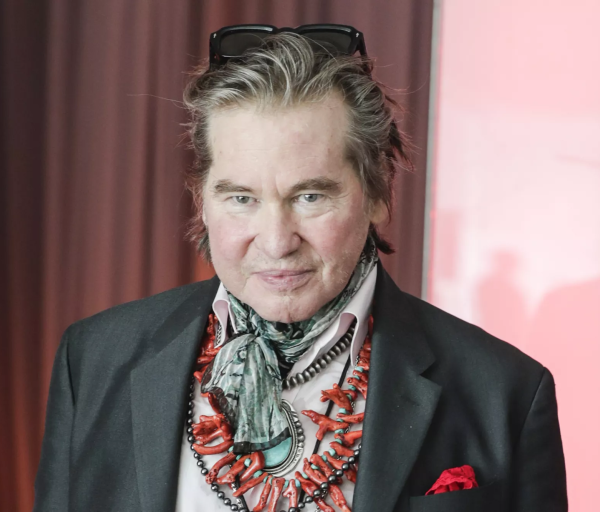
Some described him as exceptionally committed to his craft and deeply invested in the authenticity of every performance. Others recalled creative disagreements and moments of tension that occasionally emerged during productions. These contrasting perspectives contributed to an image that many viewed as both fascinating and complicated. Kilmer was often described as an artist who approached his work with extraordinary seriousness and conviction.
When Marcus recently discussed the making of Conspiracy, he shared his own perspective on the production experience. His comments drew significant attention because they touched on longstanding conversations regarding professionalism and creative collaboration in Hollywood. The film itself was released in 2008 and featured Kilmer in a leading role. The story centered on a disabled former special operations soldier who becomes involved in a dangerous chain of events.
Although the movie generated some interest among action-thriller fans, it did not become a major commercial success. Critics offered mixed reviews, and the project ultimately received limited attention compared with some of Kilmer’s more famous works. Years later, however, the film has returned to public discussion because of the reflections shared by people involved in its production. Such situations are not uncommon in the entertainment world, where stories from past projects often reappear long after filming has ended.
Film productions can be challenging environments. Large groups of people with different responsibilities must work together under demanding schedules and significant financial pressures. Directors, actors, producers, writers, and technical crews are expected to collaborate closely while managing creative differences and logistical challenges. As a result, disagreements can occasionally arise even among highly talented professionals.
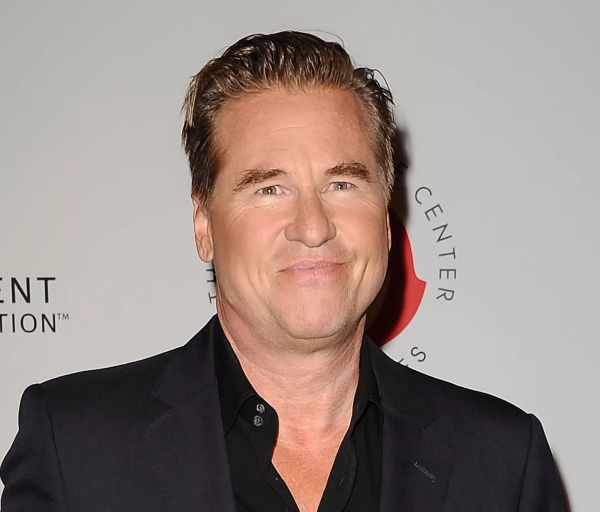
Many respected performers throughout cinema history have developed reputations for being intensely focused on their work. In some cases, this dedication has been praised as evidence of artistic excellence. In other situations, the same behavior has been interpreted as difficult or demanding by colleagues who experienced it differently. The line between perfectionism and conflict is often viewed differently depending on individual perspectives.
The renewed attention surrounding Kilmer highlights how complex professional relationships can be within creative industries. Personal experiences are rarely identical, and different people often leave the same project with very different memories. Some individuals who worked with Kilmer spoke highly of his intelligence, creativity, and commitment. Others described experiences that they found more challenging.
Because of these differing accounts, discussions about Kilmer’s legacy often include a wide range of opinions. Supporters point to his extraordinary body of work, while critics sometimes reference reports of difficult interactions on certain productions. Regardless of those debates, few people question the impact he had on modern cinema. His performances continue to be studied, admired, and revisited by film enthusiasts around the world.
Beyond his professional accomplishments, Kilmer’s later years revealed another side of his character. After being diagnosed with throat cancer, he faced one of the most difficult periods of his life. The illness required extensive treatment and significantly affected his voice. For an actor whose career depended heavily on performance and communication, these changes presented enormous personal and professional challenges. Despite those obstacles, Kilmer remained remarkably determined.
He continued participating in creative projects and maintained a connection with fans through interviews, appearances, and personal reflections. His willingness to discuss his health journey openly inspired many people who were facing challenges of their own. Rather than hiding from public view, he chose to share both the difficulties and the lessons he learned along the way.
A particularly important chapter of that journey was documented in the 2021 film Val. The documentary provided audiences with an intimate look at his life, career, and personal experiences. Drawing from decades of personal footage, the project offered a rare glimpse behind the scenes of a career that had captivated audiences for years.
Viewers saw not only the actor known from blockbuster films but also the father, artist, and individual navigating profound life changes. The documentary was praised for its honesty and emotional depth. Throughout the film, Kilmer reflected on his successes, disappointments, and personal growth. He acknowledged that there were moments during his career when his actions may have been misunderstood or viewed critically.
At the same time, he expressed gratitude for the opportunities he received and for the experiences that shaped his life. His reflections revealed a man who remained thoughtful and reflective despite the challenges he faced. Many fans found the documentary deeply moving because it presented a more complete picture of a figure who had often been defined solely by his public image.
In April 2025, the entertainment world mourned the loss of Val Kilmer following reports that he died at the age of 65. News of his passing prompted tributes from colleagues, friends, and admirers across the globe. Actors who had worked with him shared memories of his talent and unique personality. Directors recalled his commitment to performance, while fans celebrated the characters that had become part of popular culture.
Among the roles most frequently mentioned were Iceman in Top Gun and Doc Holliday in Tombstone. Both performances continue to be regarded as significant achievements in American cinema. These characters remain beloved because of the depth and authenticity Kilmer brought to them. His ability to transform himself for a role helped distinguish him from many of his contemporaries.
The renewed discussion generated by Marcus’s comments demonstrates how influential figures often continue to inspire conversation long after their careers have ended. Stories from past productions frequently become part of a larger effort to understand their legacy. When evaluating any public figure, it is important to recognize that no single account can fully capture an individual’s character or contributions. Human lives are complex, and professional relationships are often shaped by unique circumstances.
For this reason, many observers encourage looking at multiple perspectives rather than relying solely on one person’s experience. Doing so provides a more balanced understanding of a person’s life and career. In Kilmer’s case, that broader perspective includes remarkable artistic achievements, personal struggles, professional challenges, and an enduring influence on the film industry.
His journey reflects both the rewards and pressures that often accompany success in Hollywood. It also illustrates how public perception can evolve over time as new stories and perspectives emerge. Today, Val Kilmer remains remembered not only for the controversies occasionally associated with his name but also for the unforgettable performances that defined his career.
His work continues to entertain audiences, inspire aspiring actors, and contribute to conversations about creativity, dedication, and resilience. While opinions about his personality may differ, his impact on cinema remains undeniable. The characters he portrayed, the films he helped create, and the challenges he overcame ensure that his legacy will continue to be discussed for years to come.
As former colleagues continue sharing their memories, audiences are reminded that every public figure leaves behind a story that is rarely simple. Kilmer’s story is one of talent, complexity, perseverance, and lasting influence. Ultimately, the recent comments made by Adam Marcus have once again brought attention to a career that remains fascinating to both longtime fans and newcomers alike. They serve as another reminder of how deeply Val Kilmer’s life and work continue to resonate within the world of entertainment.

