
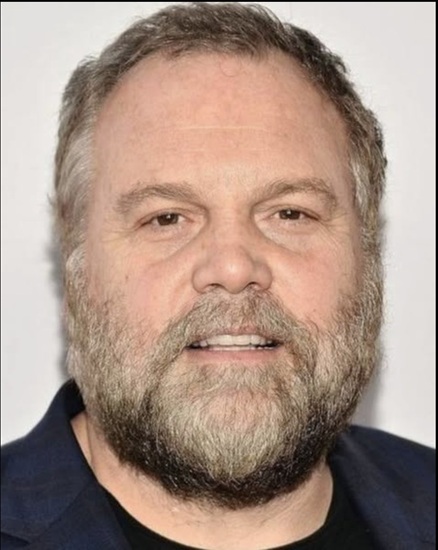
Vincent D’Onofrio is widely recognized as one of the most versatile character actors in American film and television, with a career spanning decades across stage, cinema, and television. He gained early widespread attention for his performance in Stanley Kubrick’s 1987 film Full Metal Jacket, where he portrayed the character Leonard Lawrence, also known by the nickname “Private Pyle.” The role became one of the most memorable performances of his career and remains a defining point in his professional legacy.
Over time, however, D’Onofrio’s career expanded far beyond this single role, demonstrating his ability to transform into a wide variety of characters across genres. Before achieving fame, D’Onofrio’s journey into acting was shaped by persistence and a wide range of life experiences. He was born in Brooklyn, New York, and spent part of his upbringing in different environments due to changes in his family situation. During his early years, he explored creative interests while also taking on various jobs to support himself, including working in security-related roles and other forms of manual labor.
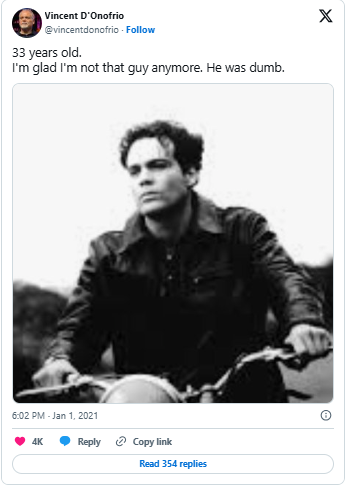
These early experiences contributed to the grounded, physical approach he later brought to his acting career. His introduction to acting began through theater, where he participated in stage productions both on and off Broadway. These performances allowed him to develop his craft in live environments, where discipline and consistency were essential. At the same time, he worked alongside his artistic ambitions, taking on side jobs such as working as a bouncer and other service roles.
These experiences helped shape his understanding of different people and environments, which later became valuable in his acting performances. D’Onofrio’s breakthrough came when he was cast by Stanley Kubrick in Full Metal Jacket. The role required a significant physical transformation, as his character undergoes a dramatic change over the course of the film.
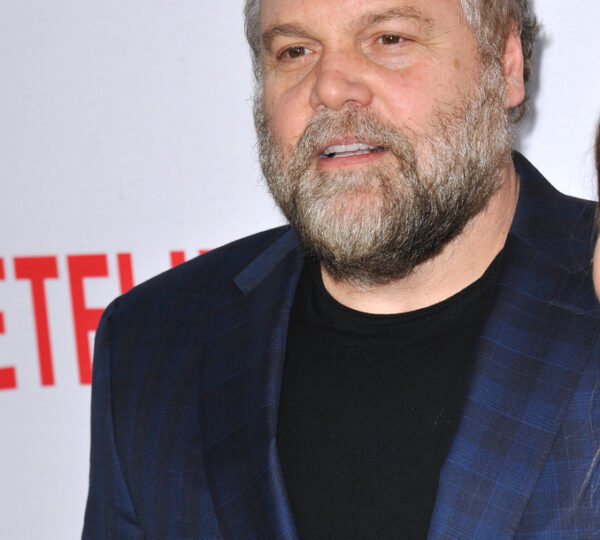
To achieve this, D’Onofrio gained a substantial amount of weight over an extended period of time, making it one of the most physically demanding transformations in film history at that time. In addition, he altered his appearance to match the character, including shaving his head, which contributed to the character’s distinct on-screen presence.
The production of Full Metal Jacket was known for its intense and demanding filming process. Kubrick was recognized for his meticulous directing style, often requiring numerous takes to achieve the desired performance. This environment challenged actors to remain fully immersed in their roles for extended periods. D’Onofrio’s portrayal of Leonard Lawrence became one of the most discussed aspects of the film, as it captured both the physical and psychological transformation of the character within a strict military training environment.
Following the release of the film, D’Onofrio received widespread recognition for his performance. However, he has also spoken in interviews about the challenges that came with being strongly associated with such a distinctive role. Due to the physical transformation required for the character, audiences sometimes had difficulty separating the actor from the role he portrayed. This is a common experience for actors involved in highly immersive performances, particularly in films that leave a lasting cultural impact.
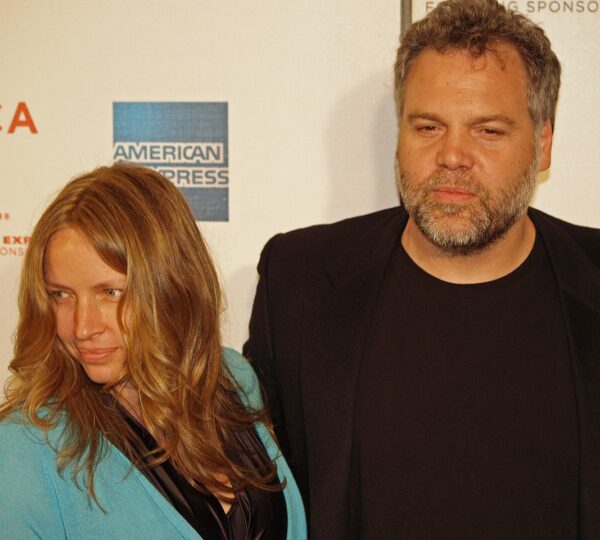
After Full Metal Jacket, D’Onofrio continued to build a diverse acting career across both film and television. He appeared in a wide range of productions, taking on roles in dramas, thrillers, comedies, and action films. His ability to adapt to different characters allowed him to remain active in the industry over many years. Some of his notable later work includes roles in television series and major film productions, where he often portrayed complex or authoritative characters.
One of his most well-known television roles came in the crime drama series Law & Order: Criminal Intent, where he played Detective Robert Goren. This role ran for several years and helped establish him as a prominent figure in television drama. Later, he gained renewed popularity with his role in Marvel’s Daredevil, where he portrayed the character Wilson Fisk, also known as Kingpin. This performance introduced him to a new generation of viewers and reinforced his reputation for intense, layered character portrayals.
Beyond acting, D’Onofrio has also explored other creative and professional interests. He has been involved in directing, writing, and producing, expanding his contributions to the entertainment industry beyond acting alone. He has spoken publicly about his appreciation for storytelling and character development, often emphasizing the importance of preparation and immersion in his roles. His career reflects a consistent dedication to artistic expression across multiple mediums.
In his personal life, D’Onofrio has experienced both stability and change over the years. He has children and has spoken in interviews about the importance of family in his life. His relationships and family experiences have occasionally been covered in media reporting, particularly during periods of major life transitions. Like many public figures, he has balanced personal developments with a long-standing professional career in the entertainment industry.
Throughout his career, D’Onofrio has maintained a reputation for commitment to his craft. Whether in physically demanding roles or emotionally complex characters, he is known for fully immersing himself in his performances. This approach has contributed to his longevity in Hollywood, where adaptability and consistency are essential for sustained success.
Today, Vincent D’Onofrio remains an active figure in the entertainment industry, continuing to appear in film and television projects. His career is often viewed as an example of versatility and transformation, demonstrating how an actor can evolve significantly over time while maintaining a strong artistic identity. From early stage work to major Hollywood productions, his journey reflects decades of dedication to acting and storytelling.
Overall, his legacy is not defined by a single role, but by a wide range of performances that showcase his ability to inhabit complex characters. His work continues to be appreciated by audiences and critics alike, and his contributions to both film and television remain an important part of modern entertainment history.

