
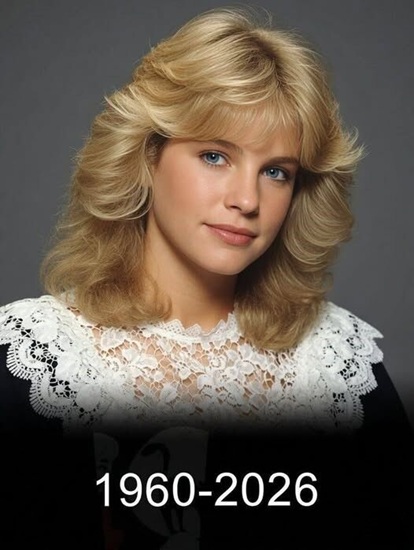
During the 1980s, Hollywood was undergoing a major transformation, producing films and television shows that defined a generation of entertainment. In this environment, Jennifer Runyon became one of the recognizable young actresses appearing in both film and television productions. She was part of a wave of performers who contributed to the cultural landscape of the decade, often appearing in roles that emphasized relatability and natural screen presence.
Her early career included appearances in projects that would later become part of popular 1980s film memory. While she was not always positioned as a leading blockbuster star, she built steady recognition through consistent performances. This kind of career path was common in the era, where many actors moved between television and film roles as the industry expanded rapidly. One of the most widely known appearances by Jennifer Runyon was in the 1984 film Ghostbusters, where she appeared in a supporting role early in her career.
The film itself became a major cultural phenomenon, and its continued popularity has kept many of its cast members connected to audiences decades later. In addition to film, she also appeared in various television productions throughout the 1980s and early 1990s. These roles allowed her to work across different formats, from episodic television to feature films, showcasing adaptability in a competitive industry. Her performances were often described as approachable and grounded, fitting well within ensemble casts and lighter narrative tones.
The Nature of Fame During the Era
The entertainment industry in the 1980s was highly competitive, with rising expectations placed on young actors. Visibility often depended not only on talent but also on timing, networking, and access to high-profile projects. For performers like Jennifer Runyon, maintaining a career required navigating auditions, production schedules, and the evolving demands of studios.
During this period, the boundary between public and private life for actors was often limited. Even supporting actors could experience increased attention, though not always at the level of leading stars. This environment shaped many careers, influencing how long actors remained active in Hollywood and how they managed their personal lives alongside professional commitments.
A Shift Away from Acting
At a certain point in her career, Jennifer Runyon gradually stepped away from full-time acting. This transition was not marked by controversy or public withdrawal, but rather by a natural reduction in on-screen appearances over time. Like many actors of her generation, she eventually shifted focus toward life outside the entertainment industry.
She later prioritized her personal life, including marriage to Todd Corman and raising her children, Wyatt and Bayley. This transition reflects a broader pattern seen among actors who choose to leave Hollywood in order to focus on family life and personal stability. Rather than continuing in the public eye, she embraced a more private lifestyle.
Life After Hollywood
Following her departure from regular acting work, Jennifer Runyon maintained a low public profile. Unlike some former actors who remain active in interviews or nostalgia-driven appearances, she largely stayed out of the entertainment spotlight. This allowed her to live a life separate from the constant visibility that comes with Hollywood careers.
Her post-acting life is often referenced in discussions about actors who successfully transition out of the industry. While many careers in entertainment are defined by continued visibility, others are defined by the ability to step away and pursue different priorities. In Runyon’s case, this meant focusing on family and personal commitments rather than ongoing public roles.
Re-evaluating Her Work Over Time
As time has passed, audiences revisiting 1980s film and television content have gained renewed appreciation for supporting actors like Jennifer Runyon. While she was not always the central figure in major productions, her contributions are now viewed as part of the broader texture of the era’s entertainment landscape.
In retrospective discussions, her performances are often described as consistent and naturalistic, fitting well within ensemble storytelling styles. This type of acting approach tends to gain more recognition over time, as audiences reassess older productions with a historical perspective.
Understanding Career Choices in Hollywood
The career path of Jennifer Runyon reflects a broader reality in the entertainment industry: not all actors pursue long-term visibility. Some transition into different life stages after early career success, while others remain active for decades. Both paths are common in Hollywood, shaped by personal choice, opportunity, and changing industry dynamics.
Her decision to step away illustrates how actors often redefine success outside of traditional fame. In many cases, personal fulfillment, family life, and stability become more important than continued public recognition. This shift is a normal part of many entertainment careers, even if it is less frequently highlighted in media narratives.
Legacy and Public Memory
Although Jennifer Runyon is not among the most frequently discussed names from the 1980s film industry, her work remains part of the era’s cultural archive. Films like Ghostbusters continue to be widely viewed, ensuring that her early career remains accessible to new generations of audiences.
Her legacy is therefore tied not only to individual roles but also to the broader context of the films and television shows she participated in. In this sense, her contribution to entertainment history is preserved through the lasting popularity of the projects in which she appeared.
A Career Defined by Transition, Not Controversy
Unlike many Hollywood narratives that involve controversy or dramatic exits, the career of Jennifer Runyon is characterized by a quieter transition. Her move away from acting did not involve public disputes or industry conflict, but rather a gradual shift toward a different stage of life.
This type of career trajectory is often less visible in entertainment reporting but remains a significant part of Hollywood’s reality. Many actors eventually step away from the industry for personal reasons, choosing lives outside of constant public attention.
The story of Jennifer Runyon represents a path that is common yet often underrepresented in discussions about Hollywood careers. While the entertainment industry often emphasizes fame and longevity, her journey highlights another possibility—one defined by early success followed by a deliberate shift toward privacy and personal priorities.
Her work continues to be part of 1980s entertainment history, while her life beyond acting reflects a different definition of success. In that sense, her story is not one of disappearance, but of transition into a life chosen beyond the screen.

