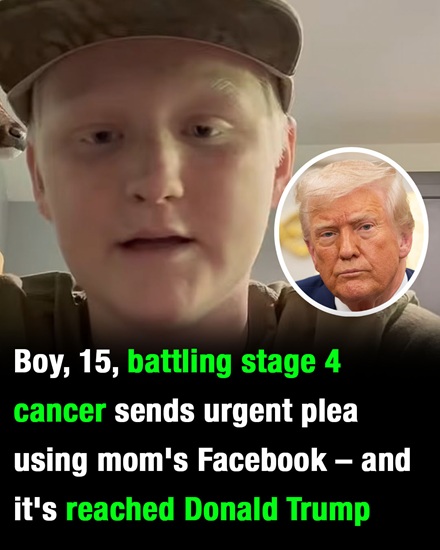
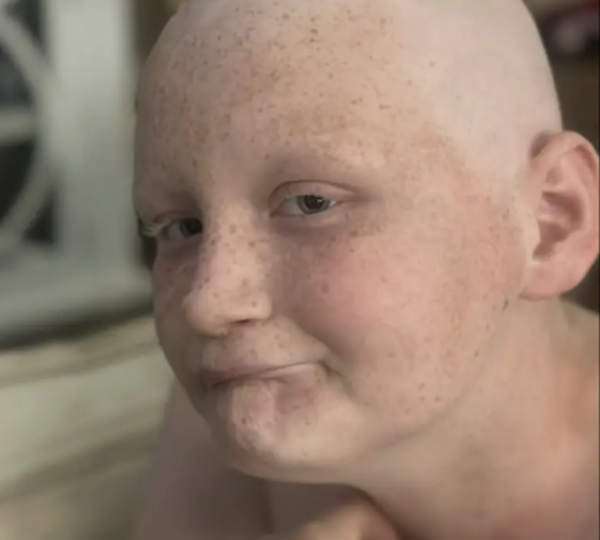
A story involving a 15-year-old boy from Alabama named Will Roberts has recently gained widespread attention after his emotional appeal about battling stage 4 osteosarcoma began circulating across social media platforms. According to multiple reports and publicly shared posts, the teenager has been fighting a rare and aggressive form of bone cancer for over a year, undergoing intensive medical treatment including chemotherapy, which has reportedly not produced the desired results so far.
As his condition progressed, Will and his family began exploring alternative treatment options that are not widely available in standard care protocols. The situation became widely known after a video message he shared online, originally posted through his mother’s Facebook account, began spreading rapidly across social media. In the video, Will described his medical struggle, his hopes for treatment, and his desire to bring attention to potential life-saving options that might not yet be widely accessible.
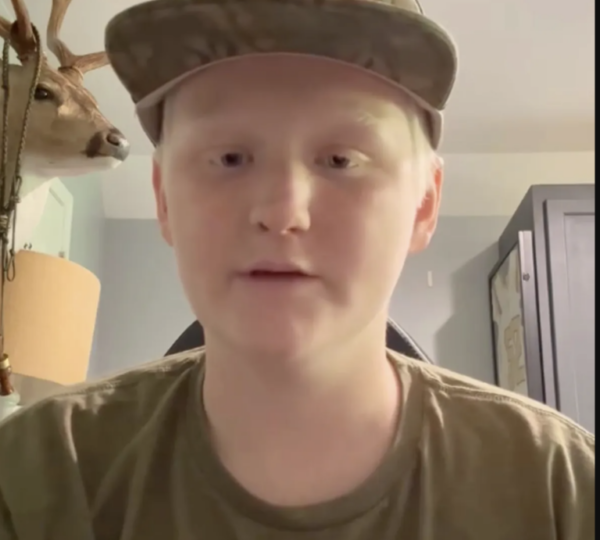
The emotional message resonated strongly with viewers, particularly because of the teenager’s direct and heartfelt communication. In the video, he explained that his mother had been actively researching experimental treatments in an effort to find any possible solution after conventional therapies had shown limited effectiveness. He also expressed concern not only for his own future, but for other children facing similar diagnoses who may benefit from medical advancements.
One of the treatments mentioned in connection with his story is DeltaRex-G, an experimental cancer therapy that has been studied in limited clinical contexts. According to publicly available medical research references, DeltaRex-G has shown some potential in certain cases of advanced cancer, although it remains an investigational treatment and is not part of standard widely approved medical care. Access to such therapies typically depends on clinical eligibility, regulatory approval, and specialized medical evaluation.
After the video was posted, it quickly gained traction online, reportedly reaching millions of views within a short period of time. Social media users across different platforms shared the content widely, contributing to its viral spread. Many individuals expressed emotional support, while others shared the video in hopes of increasing visibility and potentially connecting the family with medical professionals or financial assistance.
As the story circulated, it also reached individuals beyond the immediate social media audience. According to reports, the video was shared through various personal and public networks, increasing its visibility at a national level. Some accounts suggest that it was forwarded to individuals connected to political and public figures, though the exact extent of direct official involvement has not been independently confirmed across all sources.
In parallel with the viral spread, discussions about possible medical assistance and treatment pathways began to emerge. Reports indicate that healthcare professionals and cancer treatment specialists became aware of the case and that efforts were made to help the family explore available options. In complex cases such as advanced osteosarcoma, patients and families often seek consultations at specialized oncology centers that focus on rare and aggressive cancers.
One such development mentioned in coverage includes contact with a specialized treatment center in California that works with sarcoma patients. While details vary depending on source reporting, it is generally understood that such institutions evaluate eligibility for experimental or advanced treatment programs on a case-by-case basis. These processes typically involve medical review, diagnostic confirmation, and assessment of potential treatment benefits.
Alongside medical developments, the financial burden of treatment became a significant aspect of the situation. Experimental therapies, travel costs, hospital stays, and ongoing care can create substantial expenses for families. In response, a crowdfunding campaign was launched to help support Will’s medical journey. The fundraiser quickly gained attention after the story went viral, with donations coming from individuals moved by the teenager’s message.
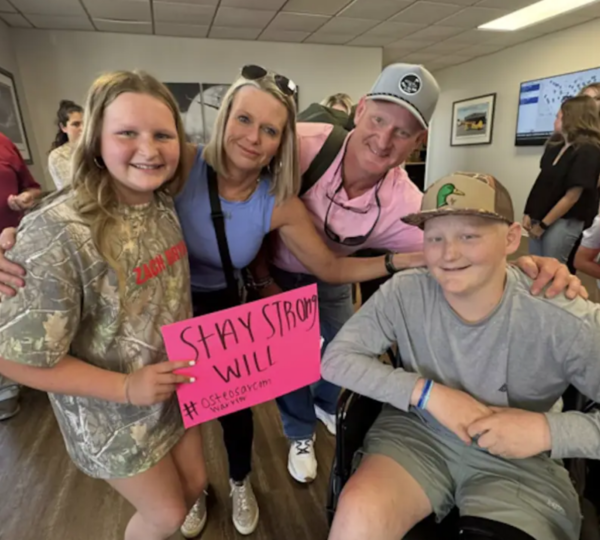
The campaign description emphasized the family’s community values and their efforts to support others in the past, highlighting the emotional and human aspect of the situation. As donations increased, the fundraiser became a central part of the ongoing support system for covering medical and logistical costs associated with treatment attempts.
At the same time, the teenager’s personal message continued to resonate with many people online. In his communication, Will expressed a desire not only for recovery but also for broader change in how experimental treatments are accessed by pediatric cancer patients. He suggested that if promising therapies are identified, they should be made more accessible to families without requiring extensive travel or financial strain.
His perspective highlighted a broader issue in healthcare discussions: the challenge of accessing cutting-edge treatments for rare diseases. In many cases, experimental therapies are available only through specific clinical trials or specialized institutions, which can limit accessibility for patients who are already facing urgent medical conditions.
Medical experts generally note that osteosarcoma, particularly in advanced stages, is a highly serious condition requiring aggressive treatment approaches. While advancements in oncology continue to improve outcomes in some cases, response rates vary significantly depending on multiple factors, including disease progression and treatment timing.
The widespread attention to Will’s story also reflects how social media has changed the way medical narratives reach the public. In previous decades, such cases would have remained largely within local communities or medical networks. Today, however, digital platforms allow personal stories to reach global audiences within hours, often leading to large-scale public engagement and support.
This increased visibility can sometimes lead to faster fundraising efforts, broader awareness of rare conditions, and connections to specialized medical resources. At the same time, it also highlights the importance of careful communication, as viral stories can sometimes circulate faster than verified medical details.
In Will’s case, the central verified element remains his diagnosis, his ongoing treatment journey, and the public sharing of his experience through social media. The emotional impact of his message has been widely acknowledged by viewers, many of whom have expressed support and encouragement for him and his family.
As the situation continues to develop, the focus remains on securing effective treatment options and managing the challenges associated with advanced cancer care. While outcomes in such cases are never certain, the involvement of medical professionals, public awareness, and financial support can play important roles in expanding available options for families.
Beyond the immediate medical context, the story has also sparked broader conversations about pediatric cancer research, experimental drug accessibility, and healthcare affordability. These discussions often extend into policy considerations, medical innovation funding, and the role of public awareness in supporting rare disease treatment development.
Ultimately, the case of Will Roberts illustrates how personal medical struggles can become widely shared public stories in the digital age. It demonstrates how social media can amplify individual voices, connect families with support networks, and draw attention to complex healthcare challenges that extend beyond one patient’s experience.
While many aspects of the situation continue to evolve, the central message remains focused on resilience, hope, and the search for treatment options in the face of a difficult diagnosis. The story continues to be followed by supporters online as updates emerge regarding his medical journey and access to care.
