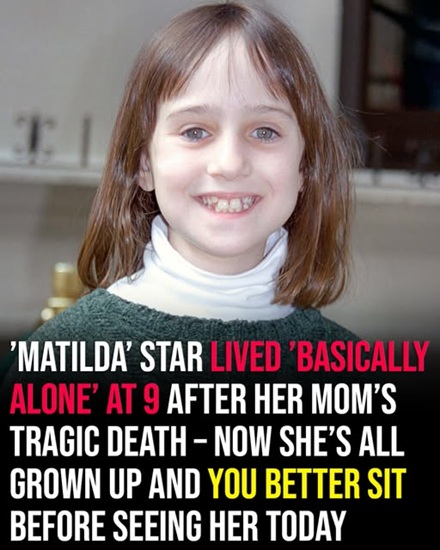
In the early 1990s, Mara Wilson emerged as one of the most recognizable child actors in Hollywood, becoming a familiar face in family films that defined the era. Born on July 24, 1987, in California, she grew up in a supportive household that did not initially plan for her to enter the entertainment industry. Her early exposure came through commercials, where casting agents quickly noticed her natural expressiveness and camera presence.
These early appearances led to auditions for larger film roles that would soon change the course of her childhood. By the time she was only a few years old, she had already entered the competitive world of Hollywood filmmaking. Her early success made her part of a generation of child actors who rose to fame during a peak period of family-oriented cinema. Her breakthrough role came in 1993 with the film Mrs. Doubtfire, where she starred alongside Robin Williams. She played Natalie Hillard, one of the children of a divorced couple navigating emotional and comedic family challenges.
The film became a massive commercial success and remains one of the most beloved comedies of its time. Wilson’s performance was praised for its authenticity, especially considering her young age and limited experience. Despite being surrounded by well-established actors, she managed to leave a lasting impression on audiences. This role firmly established her as one of Hollywood’s most promising child stars of the decade.
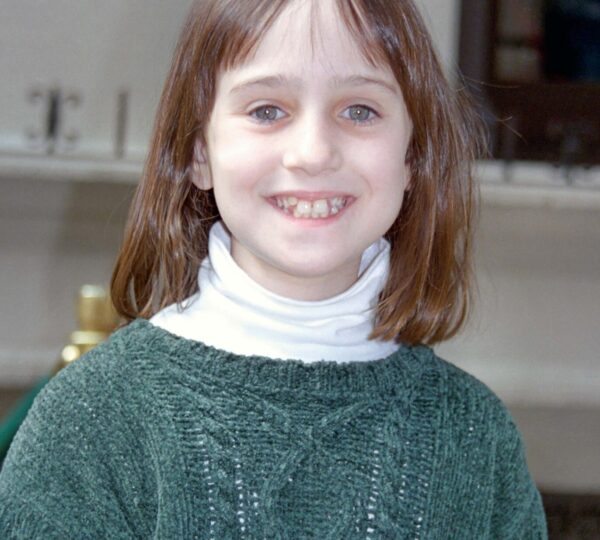
Following this success, she was cast in Miracle on 34th Street (1994), a remake of the classic holiday film. In this movie, she played Susan Walker, a young girl who begins as a skeptic but gradually embraces the idea of Santa Claus. The role required emotional depth, as her character experienced both innocence and transformation throughout the story. The film helped reinforce Wilson’s image as a gifted young actress capable of handling complex emotional roles. It also introduced her to a wider global audience, especially during the holiday season when the film gained significant popularity. At this point, she had already become a household name in family entertainment.
During this time, Wilson’s life was carefully managed by her family to ensure she maintained a sense of normalcy despite her rising fame. Her parents made efforts to keep her grounded, reminding her that acting was a profession, not her entire identity. This approach helped her navigate the pressures of early celebrity life, which can often be overwhelming for children. Even as she attended premieres and worked on major film sets, she was still encouraged to experience a normal childhood whenever possible. However, balancing fame and personal development remained a constant challenge. Like many child actors, she had to grow up in an environment where public attention was always present.
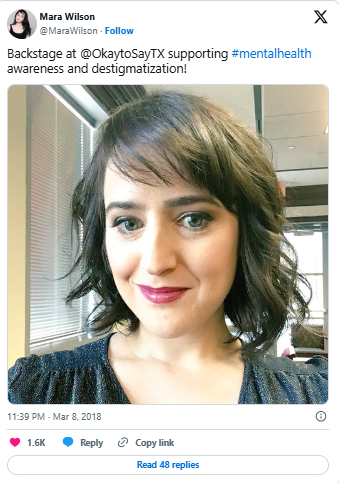
In 1996, Wilson starred in what would become her most iconic role: the title character in Matilda, directed by Danny DeVito. The film, based on Roald Dahl’s beloved novel, tells the story of a brilliant young girl with extraordinary abilities who overcomes neglect and adversity. Wilson’s performance was widely praised for its emotional intelligence and subtle humor. Matilda became a long-lasting cultural favorite and is still considered one of the greatest family films of the 1990s. Her portrayal of the character resonated with audiences because of its sincerity and relatability. Even decades later, the film continues to introduce her work to new generations.
However, 1996 was also a deeply difficult year in her personal life. Her mother, Suzie Wilson, passed away after battling breast cancer. This loss had a profound emotional impact on her at a very young age. In later interviews and writings, Wilson described this period as a defining moment that separated her childhood into “before and after.” Despite her professional success, she experienced intense grief and emotional confusion during this time. The combination of public attention and private loss made her early teenage years particularly challenging. She has spoken openly about how difficult it was to process such a major life event while still working in Hollywood.
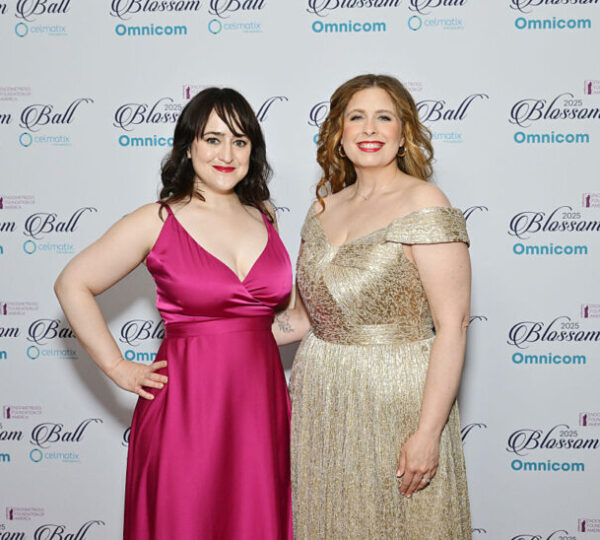
As she grew older, Wilson began to experience the typical challenges faced by child actors transitioning into adolescence. Hollywood often prioritizes youthful appearance and specific types of roles for young performers, making it difficult for them to continue their careers as they age. As she went through puberty, she noticed that opportunities in acting began to decline. She has reflected on how the industry’s perception of her changed once she was no longer seen as “cute” in the same way as before. This shift is a common experience among former child stars and highlights the limitations of typecasting in entertainment. Her situation was not unique, but it was personally significant.
Her final major film role came in 2000 with Thomas and the Magic Railroad. By this time, Wilson was becoming increasingly aware that she no longer felt connected to the direction of her acting career. She later explained that she had a strong emotional reaction to the script and found herself questioning whether she wanted to continue acting at all. The experience marked the beginning of her gradual departure from Hollywood. Although she did not formally announce a retirement at that moment, her involvement in major film projects steadily decreased. This transition was influenced by both personal choice and the natural reduction of available roles.
After stepping away from acting, Wilson focused on building a life outside of the entertainment industry. She pursued education and developed a strong interest in writing and storytelling. Over time, she began to reflect on her experiences as a child actor and the impact fame had on her identity. This reflection eventually led her to write personal essays and memoirs. Her work explores themes such as childhood fame, grief, identity, and self-worth. By shifting her focus to writing, she was able to regain creative control over her own narrative. This transition marked an important turning point in her life.
In 2016, she published her memoir Where Am I Now? True Stories of Girlhood and Accidental Fame. The book is a collection of essays that examine her life in and after Hollywood. It covers her experiences on film sets, her struggles with identity, and her adjustment to life outside of acting. The memoir received attention for its honesty and thoughtful reflection on the pressures faced by child performers. Rather than focusing on celebrity glamour, it presents a grounded and personal perspective on fame. The book helped establish Wilson as a writer with a distinct voice.
She later continued writing with Good Girls Don’t, another memoir that expands on similar themes. In this work, she further explores the expectations placed on young girls in the entertainment industry. She reflects on how early fame shaped her understanding of success, beauty, and self-worth. Her writing often emphasizes that being valued primarily for appearance can be emotionally damaging, especially during formative years. Through her essays, she encourages a more thoughtful understanding of childhood fame. Her work has been appreciated for its honesty and emotional clarity.
Today, Mara Wilson is primarily known as a writer and public speaker rather than an actress. She has built a career focused on storytelling, personal reflection, and advocacy for mental health awareness. While she remains closely associated with her iconic film roles, she has successfully created a life beyond Hollywood. Her journey illustrates the complexities of growing up in the public eye and transitioning into adulthood outside of fame. She has often emphasized that stepping away from acting allowed her to find stability and personal fulfillment. Her story continues to resonate with audiences who grew up watching her films.
