
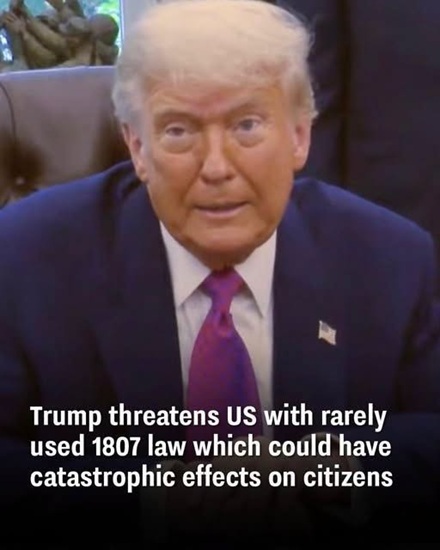
In recent weeks, public debate in the United States has intensified over the role of federal military forces in domestic environments, raising concerns about constitutional limits and democratic oversight.
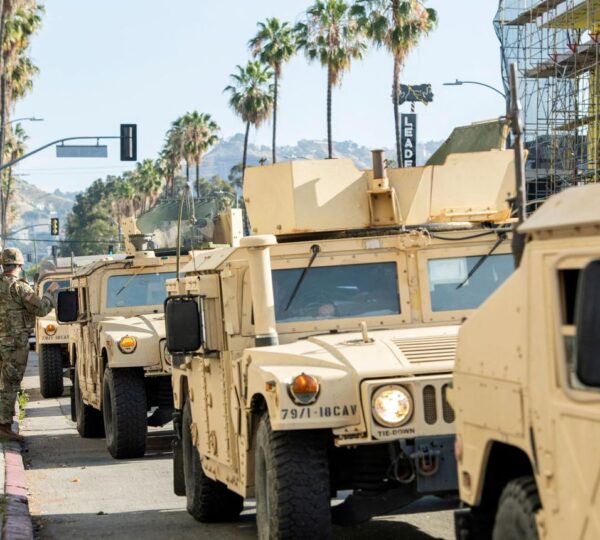
Reports and commentary have focused attention on the presence of military personnel in certain urban areas, sparking questions about the appropriate boundaries between civilian governance and federal authority.
The discussion has grown more complex as legal experts and political analysts examine the implications of using armed forces in situations traditionally managed by local law enforcement agencies.
At the center of this debate is the historical framework that governs military involvement within national borders, particularly laws designed to restrict domestic military enforcement.
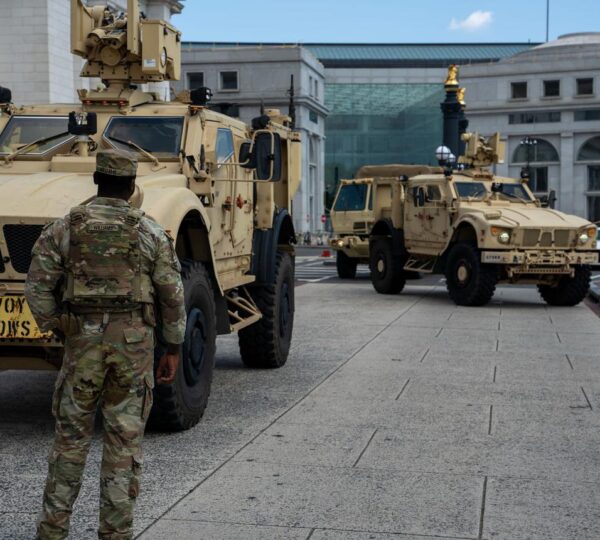
One of the most frequently referenced legal principles is the Posse Comitatus Act, which generally limits the use of federal military forces in civilian policing roles.
This statute has long been regarded as a cornerstone of American civil-military separation, reinforcing the idea that military power should not directly control domestic law enforcement.
However, exceptions exist under specific legal authorities, including the Insurrection Act, which dates back to the early nineteenth century.
The Insurrection Act of 1807 allows the President to deploy military forces within the United States under certain conditions involving civil unrest or obstruction of federal law.
Although rarely invoked, this law grants significant executive discretion, which has led to ongoing debate among constitutional scholars and policymakers.
Supporters of broader executive authority argue that such powers are necessary in extraordinary circumstances where local institutions may be overwhelmed or unable to maintain order.
They emphasize that rapid federal response can be critical in stabilizing situations that pose risks to public safety or national security.
Critics, however, warn that expanding military involvement in civilian spaces risks undermining democratic norms and weakening the independence of local governance.
They argue that the use of military personnel in domestic contexts blurs the line between policing and warfare, creating potential risks for civil liberties.
Legal scholars have also raised concerns about the long-term consequences of normalizing military presence in everyday civilian environments.
One major concern involves the training and mission of military forces, which are primarily designed for defense and combat rather than community-level law enforcement.
This distinction, experts argue, is important because civilian policing requires different protocols centered on de-escalation and community trust.
When military forces are introduced into domestic situations, there is debate about whether those operational differences can be effectively reconciled.
The public reaction to these developments has been deeply divided, reflecting broader political and ideological tensions across the country.
Some individuals view federal intervention as a necessary step to restore order in situations of unrest or instability.
Others interpret such actions as a potential overreach of executive authority that could weaken constitutional protections over time.
This tension reflects a longstanding American debate over the balance between security and individual liberty.
Historical precedents show that the Insurrection Act has been used sparingly, often during periods of significant national crisis or civil disorder.
Each invocation of such authority has prompted renewed scrutiny regarding the limits of presidential power.
In modern times, however, the threshold for such actions remains highly contested and subject to legal interpretation.
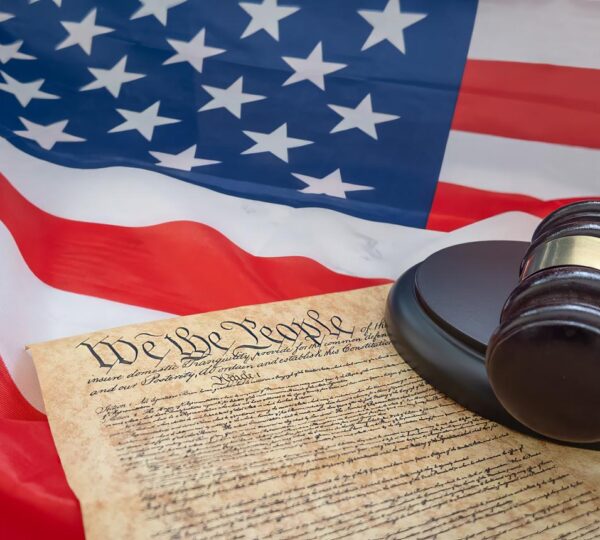
Constitutional experts continue to emphasize the importance of judicial oversight and congressional checks when evaluating executive decisions of this magnitude.
At the same time, policymakers face pressure to respond quickly to evolving public safety concerns in various regions of the country.
This creates an ongoing tension between immediate crisis management and long-term constitutional principles.
The presence of federal military personnel in domestic settings, even in limited capacities, has therefore become a focal point of national discussion.
Observers note that such deployments, whether direct or supportive, can significantly influence public perception of government authority.
Concerns have also been raised about the potential impact on community trust, particularly in areas already experiencing social or political tension.
Maintaining that trust is considered essential for effective governance and public cooperation in law enforcement efforts.
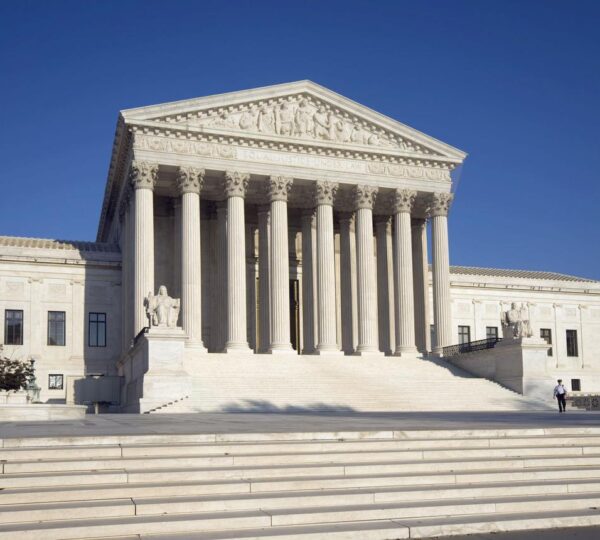
As the debate continues, attention has turned to the legal thresholds required for invoking emergency powers under federal law.
Questions remain about what constitutes sufficient justification for extraordinary executive action in domestic contexts.
Different administrations have interpreted these thresholds in varying ways, contributing to ongoing legal and political uncertainty.
The judiciary may ultimately play a critical role in determining the limits of such authority if disputes arise.
Meanwhile, public discourse reflects broader anxieties about governance, accountability, and the future direction of constitutional norms.
Media coverage and expert commentary have amplified these concerns, bringing them into mainstream national conversation.
While some narratives emphasize urgency and security, others focus on restraint and institutional safeguards.
This divergence of perspectives highlights the complexity of balancing safety with civil rights in a democratic society.
The historical evolution of civil-military relations in the United States provides important context for understanding current debates.
From its early constitutional foundations, the nation has maintained a cautious approach to domestic military involvement.
This caution stems from historical experiences that shaped the development of legal protections against military overreach.
As a result, any discussion of expanding military authority within civilian contexts is inherently sensitive and highly scrutinized.
In the present climate, policymakers must navigate both legal constraints and public expectations when addressing national security concerns.
The ongoing debate illustrates how legal frameworks, political realities, and public opinion intersect in shaping government action.
Ultimately, the question of military involvement in domestic affairs remains unresolved and deeply contested.
It continues to raise fundamental issues about the structure of American governance and the limits of executive power.
As discussions evolve, the balance between constitutional protections and emergency authority will remain a central point of national focus.
For now, legal experts, lawmakers, and the public continue to watch developments closely as interpretations of these powers are debated.
The outcome of this discourse may have lasting implications for how the United States defines the relationship between its military and civilian institutions.
In the absence of clear consensus, the issue remains one of the most significant constitutional questions in contemporary governance.
The future direction of policy will likely depend on legal rulings, political decisions, and public engagement with these complex issues.
Until then, the debate over federal military authority within domestic borders remains active, unresolved, and highly consequential.

