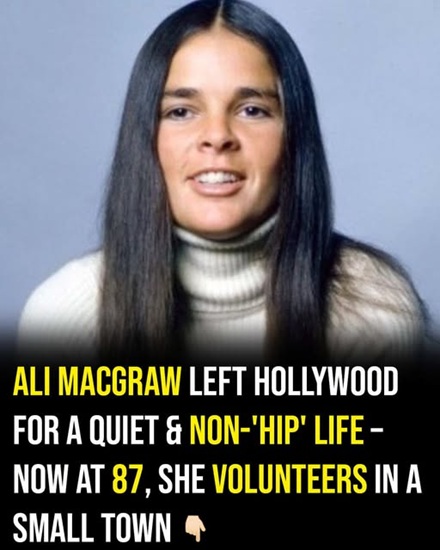
Ali MacGraw is an American actress and former fashion model who rose to international fame in the early 1970s, becoming one of Hollywood’s most recognizable stars after her breakthrough role in the film Love Story.
Born Elizabeth Alice MacGraw on April 1, 1939, in Pound Ridge, New York, she grew up in a creative but financially unstable household influenced strongly by her parents’ artistic backgrounds.
Her mother, Frances, worked as an artist and educator, while her father, Richard MacGraw, also pursued a career in art, though his personal history and emotional struggles deeply affected family life.
MacGraw has spoken in interviews about her difficult childhood environment, including financial instability and emotional tension within the household, which shaped her early understanding of resilience and independence.
She attended Rosemary Hall preparatory school and later studied at Wellesley College, where she developed an interest in art, culture, and creative expression, though her career path would soon shift.
After college, she moved to New York City, where she entered the fashion industry and secured work at Harper’s Bazaar, initially starting in an entry-level assistant role.
Working under influential fashion editor Diana Vreeland, MacGraw gained firsthand experience in the fast-paced editorial world, where she performed various assistant duties in a highly demanding environment.
Her strong work ethic and natural presence quickly caught attention, and she later transitioned into styling, working closely with photographers and creative teams in fashion publishing.
During this time, she developed a reputation for professionalism and reliability, often working long hours in the competitive New York fashion industry.
Eventually, photographers and editors began noticing her on-camera potential, which led her to modeling opportunities and magazine appearances that increased her visibility significantly.
Her modeling work opened doors to television commercials and small media appearances, gradually transitioning her from behind-the-scenes roles into public-facing work.
MacGraw later entered acting with a supporting role in A Lovely Way to Die (1968), marking the beginning of her career in film.
Her breakthrough came in 1969 with the film Goodbye, Columbus, where her performance earned critical attention and a Golden Globe Award for Most Promising Newcomer.
Shortly after, she was cast in Love Story (1970), a romantic drama that would define her career and establish her as a major Hollywood star.
In Love Story, she starred alongside actor Ryan O’Neal, portraying a character in a widely successful film that became one of the highest-grossing movies of its time.
The film achieved massive commercial success and cultural impact, earning multiple Academy Award nominations and making MacGraw a household name almost overnight.
She received an Academy Award nomination for Best Actress and won a Golden Globe Award for her performance, solidifying her status in Hollywood.
During this period, she met film producer Robert Evans, head of production at Paramount Pictures, and the two developed a personal relationship that led to marriage.
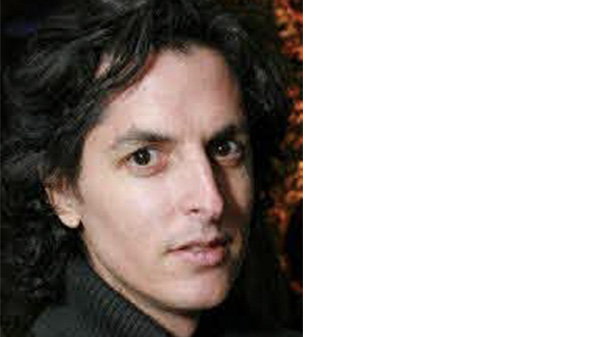
MacGraw and Evans married in 1969 and later welcomed a son, Josh Evans, who would go on to have his own career in the entertainment industry.
Despite her professional success, MacGraw’s personal life became increasingly complex as she navigated relationships under intense public scrutiny and media attention.
While working on the film The Getaway, she met actor Steve McQueen, and the two developed a relationship that eventually led to her separation from Evans.
MacGraw later moved in with McQueen in California, and their relationship became highly publicized due to both of their Hollywood status and personal reputations.
She has spoken in interviews about the intensity of their relationship, describing it as emotionally complicated and influenced by McQueen’s personal struggles and demanding personality.
Their relationship eventually ended in divorce in 1978, after which MacGraw experienced a significant shift in her personal and professional life.
Following this period, she faced challenges in Hollywood, including fewer leading roles and shifting industry expectations for actresses as they aged.
Films such as Players and Just Tell Me What You Want did not achieve major commercial success, reflecting changes in her career trajectory.
MacGraw later expressed that Hollywood could be particularly difficult for women over 40, especially in terms of roles, media treatment, and public expectations.
By the early 1980s, she began stepping back from mainstream film acting and explored other creative fields, including interior design and occasional television appearances.
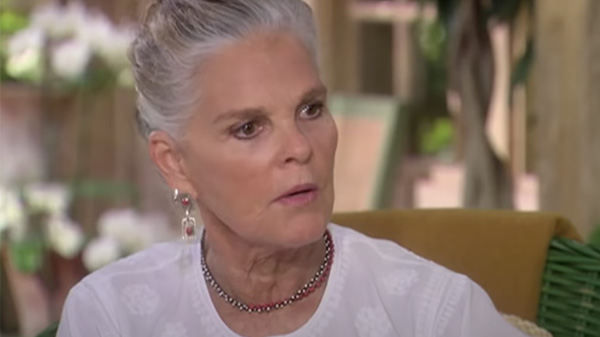
She appeared in projects such as The Winds of War (1983) and China Rose (1985), but gradually reduced her involvement in acting.
During this time, she also faced personal challenges, including emotional stress and struggles with alcohol, which led her to seek professional help.
MacGraw voluntarily entered the Betty Ford Center in the 1980s, where she underwent treatment and participated in recovery programs focused on addiction and mental health.
She has spoken openly about this period as a turning point in her life, emphasizing recovery, self-awareness, and personal growth.
In 1993, her home in California was destroyed during a wildfire, a traumatic event that contributed to her decision to leave Los Angeles.
Following this loss, she relocated to Santa Fe, New Mexico, eventually settling in the nearby village of Tesuque, where she adopted a quieter lifestyle.
In New Mexico, MacGraw became known for her involvement in community activities, including volunteer work and cultural events supporting local arts organizations.
She also became active in yoga practice and later produced instructional yoga videos, reflecting her interest in wellness and mindful living.
Although she stepped away from mainstream Hollywood, she returned briefly to performance in 2006, reuniting with Ryan O’Neal in a stage adaptation project.
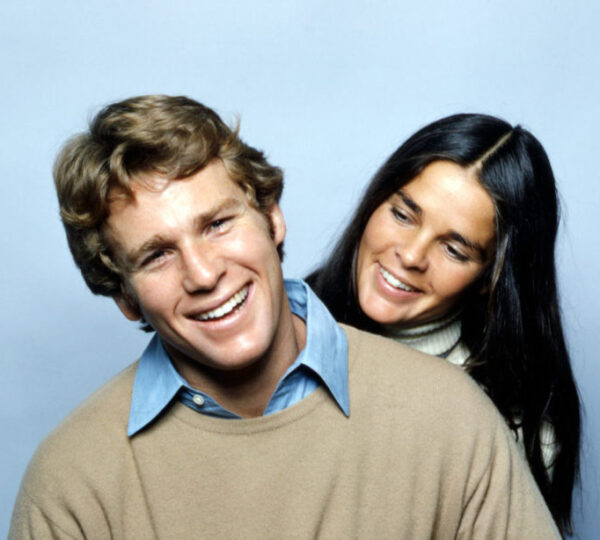
Her later life has been characterized by privacy, creative work, and a focus on health, personal development, and community involvement.
MacGraw has stated in interviews that she remains open to new experiences and values creativity, regardless of whether it involves acting or other forms of expression.
Her son, Josh Evans, followed a career in the entertainment industry as both an actor and film director, continuing the family’s connection to Hollywood.
Josh Evans has worked on various film and television projects and has also directed independent films, building his own identity separate from his parents’ fame.
He has spoken about entering the industry gradually, starting with small acting roles before expanding into directing and filmmaking.
Over time, he developed a career that balances both acting and directing, expressing a preference for storytelling behind the camera.
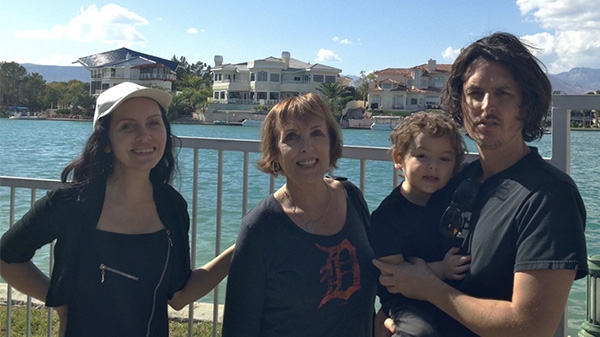
MacGraw has maintained a close relationship with her son and extended family, often expressing pride in his creative work and personal life.
She is also a grandmother and has described family relationships as an important part of her life in her later years.
Today, Ali MacGraw lives a quiet life away from Hollywood’s spotlight, focusing on wellness, family, and community engagement in New Mexico.
Her story is often described as one of rapid fame, personal transformation, and a conscious decision to step away from celebrity culture in favor of a more private and balanced life.
