

Dementia and Alzheimer’s disease are among the most serious neurological conditions affecting people worldwide today. They impact not only those diagnosed but also families, caregivers, and entire support systems.
These conditions gradually affect memory, thinking abilities, behavior, and the capacity to perform everyday tasks. Over time, they can significantly reduce independence and quality of life.
Alzheimer’s disease is the most common cause of dementia, but dementia itself is not a single disease. Instead, it is an umbrella term that includes several different brain disorders.
Each form of dementia involves progressive damage to brain cells, which interferes with communication between different regions of the brain responsible for memory, reasoning, and behavior.
Although dementia is more frequently diagnosed in older adults, it is important to understand that it is not considered a normal or inevitable part of aging.

According to public health data, millions of people in the United States live with dementia, making it a major public health and caregiving challenge.
One of the most difficult aspects of dementia is its slow and gradual onset. Early symptoms often appear subtle and may go unnoticed for a long time.
In many cases, these early signs are mistaken for normal aging, stress, tiredness, or everyday forgetfulness, which delays diagnosis and intervention.
However, recognizing early warning signs can play an important role in improving long-term quality of life and care planning for individuals and families.
One of the earliest and most recognizable symptoms is memory loss that begins to interfere with daily activities and responsibilities.
This type of memory loss goes beyond simple forgetfulness, such as misplacing keys, and often involves forgetting recent conversations or important events.
Individuals may repeatedly ask the same questions or rely heavily on written reminders and family members for basic information.
Another early sign is difficulty with planning and problem-solving, which affects a person’s ability to complete familiar tasks or follow instructions.
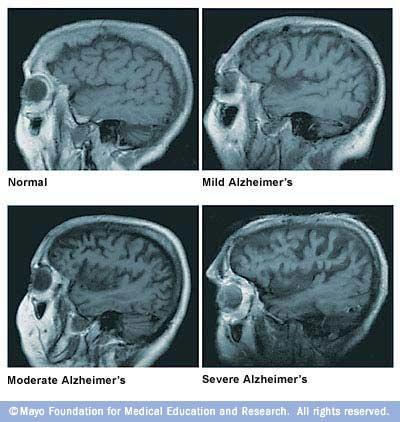
This can include challenges in managing finances, preparing meals, or organizing daily routines that were previously simple and familiar.
Confusion about time and place is also common in the early stages of dementia and may appear as disorientation regarding dates, seasons, or locations.
People may become unsure of where they are, even in familiar environments, or lose track of how they arrived somewhere.
Changes in visual and spatial abilities can also occur, affecting depth perception, reading comprehension, and recognition of objects or faces.
These difficulties may increase the risk of accidents, especially in activities such as driving or navigating busy environments.
Language and communication problems are another important early indicator, often involving difficulty finding the correct words during conversation.
A person may pause frequently, substitute incorrect words, or struggle to complete sentences clearly and logically.
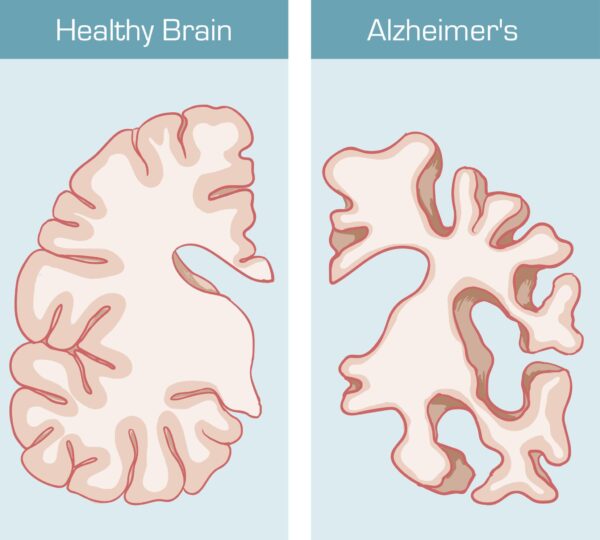
They may also repeat themselves or refer to objects using vague or incorrect descriptions, which becomes more noticeable over time.
Misplacing items and being unable to retrace steps is another common symptom, sometimes accompanied by confusion or suspicion toward others.
While occasional forgetfulness is normal, dementia-related memory loss often involves placing objects in unusual or illogical locations.
Poor judgment and decision-making can also develop, leading to unsafe choices in financial, personal, or social situations.
Individuals may neglect personal hygiene, make unusual financial decisions, or fail to recognize potential risks in everyday life.
Withdrawal from social activities is another early sign, where individuals begin avoiding hobbies, conversations, or group interactions.
This withdrawal may be mistaken for depression, but it can also result from frustration or confusion caused by cognitive decline.
Mood and personality changes are also commonly observed, including increased irritability, anxiety, suspicion, or emotional instability.

According to reputable medical organizations, changes in emotional regulation are often linked to damage in brain regions that control behavior.
As dementia progresses, individuals may also struggle to follow conversations, especially in group settings or fast-moving discussions.
They may require more time to respond or become easily overwhelmed when multiple people are speaking at once.
Although there is currently no cure for most forms of dementia, early detection remains extremely important for several reasons.
Early diagnosis allows healthcare providers to introduce treatments that may help manage symptoms and slow cognitive decline in some cases.
It also enables families to plan ahead, make legal and financial arrangements, and organize appropriate care and support systems.
In addition, early awareness allows individuals to participate in decisions about their future while they are still able to communicate their wishes clearly.
Support networks, counseling, and educational resources can also be accessed earlier, helping reduce stress for both patients and caregivers.
Medical research continues to study dementia in depth, with ongoing efforts focused on understanding its causes and developing new treatments.
While no guaranteed prevention method exists, several lifestyle factors are associated with maintaining better long-term brain health.

Avoiding smoking is widely recommended, as research consistently links smoking with increased risk of cognitive decline and brain aging.
Maintaining healthy levels of vitamin B12 is also important, as deficiencies may contribute to neurological and memory-related issues.
A balanced diet that includes sources of vitamin B12, such as fish, eggs, and lean meats, may help support overall brain function.
Regular physical activity is another important factor, as exercise supports blood flow to the brain and overall neurological health.
Health experts often recommend consistent movement, such as walking or light exercise, for overall cognitive and physical well-being.
Vitamin D levels may also play a role in brain health, and deficiency has been studied in relation to cognitive decline.
Safe sun exposure and medically approved supplements are commonly used methods to maintain adequate vitamin D levels.
Some studies suggest that moderate coffee consumption may be associated with certain cognitive benefits due to its antioxidant content.
However, medical experts generally advise moderation, as excessive caffeine intake can have negative health effects.
Protecting the head from injury is also important, as traumatic brain injuries may increase the risk of developing dementia later in life.
Wearing helmets during activities such as cycling or contact sports is strongly recommended for safety.
Limiting alcohol consumption is another important lifestyle factor, as excessive alcohol use can negatively affect brain function over time.
Keeping the brain mentally active through reading, learning, puzzles, or new skills may help maintain cognitive engagement.
These activities encourage mental stimulation, which is considered beneficial for long-term brain health.
Managing stress and maintaining good sleep quality are also important, as both chronic stress and poor sleep can affect memory and concentration.
Developing healthy routines that support relaxation and rest may contribute to overall cognitive well-being.
While none of these habits guarantee prevention, they are widely recommended for supporting general brain health and reducing risk factors.
Living with dementia or Alzheimer’s disease is challenging not only for those diagnosed but also for their families and caregivers.
Watching a loved one experience memory loss and changes in behavior can be emotionally difficult and requires long-term support.
Despite these challenges, ongoing research and medical advances continue to provide hope for improved treatments in the future.
Understanding early symptoms and maintaining healthy lifestyle habits remain important steps in addressing this global health issue.
Ultimately, awareness, early detection, and supportive care play key roles in improving quality of life for individuals affected by dementia.

