The story of dog named T-Rex reflects a powerful example of resilience, compassion, and recovery. It highlights how timely intervention and consistent care can transform a life once facing severe hardship.
According to the rescue account, the dog was found after spending an extended period alone outdoors in difficult weather conditions. He had reportedly been exposed to cold rain, wind, and lack of shelter.
During this time, his physical condition gradually weakened. Limited access to food, hydration, and protection placed significant strain on his body, making survival increasingly difficult as each day passed.
Observers noted that prolonged exposure to harsh environmental conditions can severely impact an animal’s health, particularly when combined with malnutrition and untreated injuries that worsen over time without medical attention.

Despite his condition, the dog reportedly maintained a level of awareness and responsiveness. Even in a weakened state, small signs of behavior suggested that he remained alert to his surroundings and human presence.
When rescuers eventually arrived, they observed a severely exhausted animal showing visible signs of fatigue, dehydration, and stress. His condition required immediate and careful attention to avoid further deterioration.
One of the most striking early observations was a small tail movement when approached. While subtle, this behavior is often interpreted by animal behavior specialists as a sign of recognition or emotional response.
Rescue personnel approached cautiously, ensuring that their movements and tone remained calm. This approach is important in situations involving traumatized animals to prevent additional fear or defensive reactions.
Upon closer inspection, the rescuers identified multiple concerns requiring urgent care. These included signs of skin irritation, possible wounds, and general physical weakness caused by prolonged neglect and environmental exposure.
The dog’s body condition suggested that he had experienced extended periods without adequate nutrition. Such situations often lead to reduced muscle mass, low energy levels, and increased vulnerability to illness.
The rescue team prioritized stabilization, focusing first on ensuring that the animal was safe, calm, and not exposed to further environmental stress before beginning any medical intervention.
Transportation to a veterinary care facility was carried out carefully. Special attention was given to minimizing movement stress and maintaining a stable environment during the transfer process.
Once at the medical facility, a structured evaluation was conducted. Veterinary professionals assessed hydration levels, body temperature, and visible injuries to determine the appropriate treatment plan.
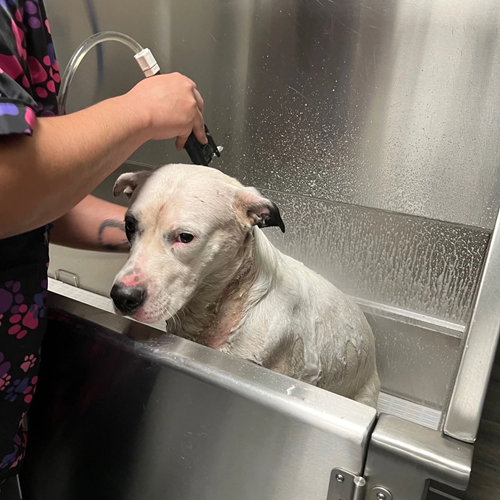
Initial treatment focused on cleaning and caring for affected areas of the skin. This step was essential to reduce the risk of infection and support the early stages of physical recovery.
Rehydration was introduced gradually under professional supervision. Controlled fluid intake is important in weakened animals, as sudden changes can place additional stress on internal systems.
Nutritional support was also carefully managed. Small, measured portions of food were provided to avoid overwhelming the digestive system after a period of deprivation.
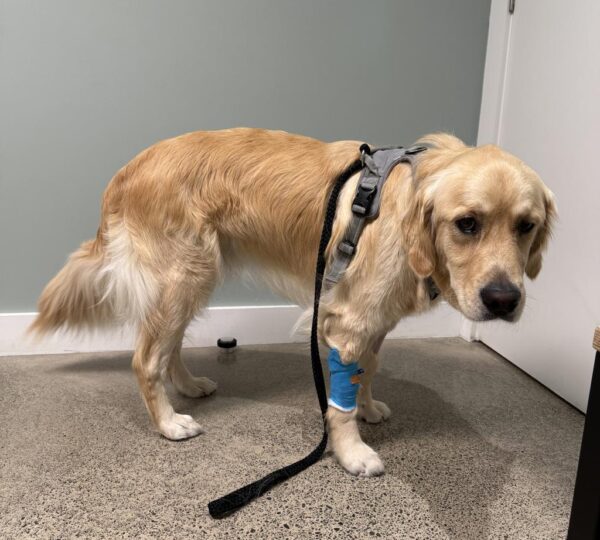
The veterinary team monitored his response closely, adjusting care based on how his body reacted. This type of gradual treatment is standard in recovery cases involving malnourished or neglected animals.
Throughout the early recovery phase, the focus remained on stability rather than speed. Medical professionals emphasized that healing requires patience, consistency, and continuous observation.
The rescue team chose the name T-Rex for the dog during this period. The name symbolized strength and survival, reflecting the resilience he demonstrated despite his difficult circumstances.
Naming rescued animals is often part of the rehabilitation process, helping caregivers form emotional connection and providing the animal with a sense of identity within a safe environment.
As days passed, small improvements began to appear. Subtle changes in energy levels, posture, and responsiveness indicated that his condition was slowly stabilizing under professional care.
Veterinarians noted that recovery from prolonged neglect often progresses in stages. Early improvements may be minimal, but they are important indicators of underlying healing processes.
Emotional recovery was also considered part of the rehabilitation process. Animals that experience isolation or hardship may require time to rebuild trust in human interaction.
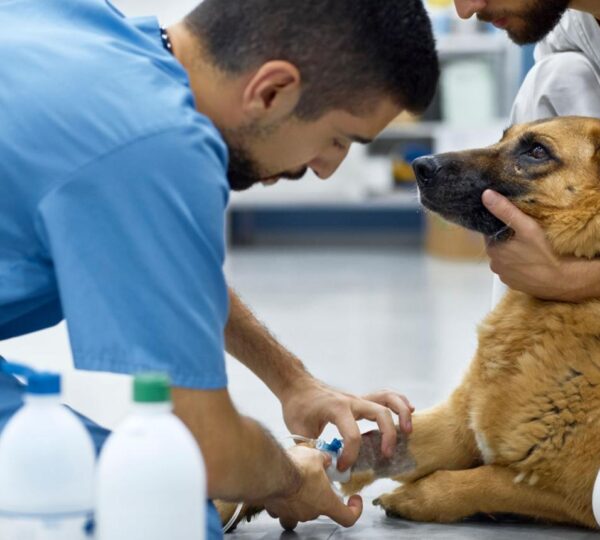
Caregivers spent time near the dog, offering calm presence and gentle interaction. These actions help reduce stress and support emotional stabilization during recovery.
Over time, the dog began to show increased comfort around humans. Reduced hesitation and calmer behavior suggested gradual rebuilding of trust and security.
Physical strength also improved slowly through continued care and monitored activity. Even small movements and attempts to stand were seen as positive indicators of progress.
The veterinary team documented each stage of recovery carefully, ensuring that treatment remained consistent and adapted to the dog’s evolving condition over time.
Nutrition continued to play a key role in recovery. Balanced feeding schedules supported energy restoration and contributed to gradual improvement in overall physical condition.
Hydration levels stabilized as the dog’s body adjusted to consistent care. Proper fluid balance is essential for organ function and general health recovery.
As weeks passed, visible transformation became more noticeable. Energy levels increased, movement became steadier, and signs of distress gradually decreased.
The dog’s behavior also reflected growing confidence. Increased curiosity and engagement with surroundings indicated emotional improvement alongside physical healing.
Caregivers reported that positive reinforcement and consistent presence helped strengthen trust between the animal and the rescue team.
Recovery was not immediate, but steady progress demonstrated the effectiveness of structured veterinary care and compassionate attention.
Eventually, the dog reached a stage where strength, stability, and behavior had significantly improved compared to the initial rescue condition.
The transformation illustrated how coordinated care, patience, and medical intervention can significantly improve outcomes for animals in critical condition.
T-Rex’s journey serves as a general reminder of the importance of animal welfare, responsible care, and timely assistance in situations of neglect or distress.
It also highlights the role of rescue organizations and veterinary professionals in providing life-saving support to vulnerable animals.
Most importantly, the story reflects how recovery is possible even after severe hardship, as long as consistent care and compassion are provided.
In the end, the simple gesture of a tail wag symbolized not just survival, but renewed trust and the beginning of a safer and healthier life.
