For many people, hair is more than just appearance. It becomes part of identity, shaping how someone sees themselves and how they are seen by others throughout different stages of life.
Over time, personal style often becomes deeply familiar. A consistent hairstyle can feel comfortable, stable, and connected to memories, routines, and personal growth experiences that define a person’s everyday life.
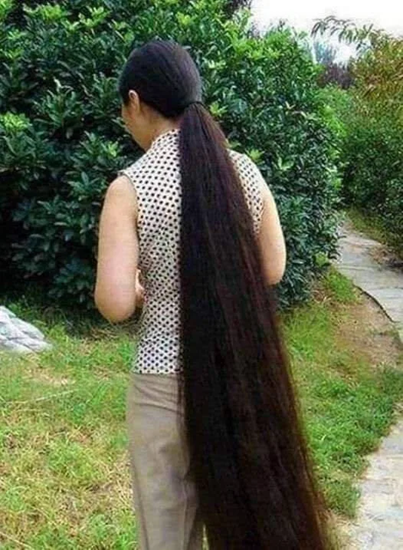
For Rosa Ramirez, her long hairstyle became part of her identity for approximately 25 years. During that time, it remained a constant feature of her appearance and personal expression.
While long-term familiarity can create comfort, change often requires courage. After so many years, Rosa made the decision to change her hairstyle, marking the beginning of a meaningful personal transition.
What started as a simple haircut soon became something more significant. Her decision would not only transform her appearance but also create an opportunity to help others in need.
Instead of discarding her long hair, Rosa chose to donate it to an organization known for supporting children experiencing medical-related hair loss through wig donation programs.
The organization, widely known for collecting donated hair, uses it to create wigs designed for children who have lost their hair due to health conditions or medical treatments.
This decision turned a personal moment into a meaningful contribution. Rosa’s choice reflected how individual actions, even small ones, can be connected to broader acts of kindness and support.
Hair donation programs play an important role in assisting children who experience hair loss due to medical conditions. These programs depend on voluntary contributions from individuals willing to donate their hair.
Children affected by conditions such as alopecia or treatments like chemotherapy often experience changes in appearance that can impact their emotional well-being and confidence during daily life.
Hair loss during childhood can be especially challenging because it may affect self-image and social interactions. Many children feel different from their peers during sensitive developmental years.
Wigs created from donated hair are designed to help restore a sense of normalcy. They are carefully made to look natural and provide comfort for children adjusting to medical challenges.
However, high-quality wigs can be expensive, and not all families have the financial resources to afford them. This creates a gap that donation programs aim to help address.
Through hair donations, individuals contribute directly to creating wigs that may otherwise be difficult for families to access. These contributions help improve both emotional and social well-being.
In Rosa’s case, her donation became part of this larger effort. Her decision connected a personal change with a broader humanitarian purpose that supports children in difficult situations.
Before making her decision, Rosa had maintained her hairstyle for nearly a quarter of a century. That long period made her hair a familiar and defining part of her appearance.
For many people, changing a long-established hairstyle can feel like stepping away from a part of themselves. It often involves emotional reflection and personal consideration.
Hair can carry emotional meaning, as it is often associated with memories, identity, and personal history. Letting go of it can feel like closing a chapter in life.
Despite this emotional connection, Rosa chose to move forward with her decision. She focused on the potential positive impact her hair could have if donated to children in need.
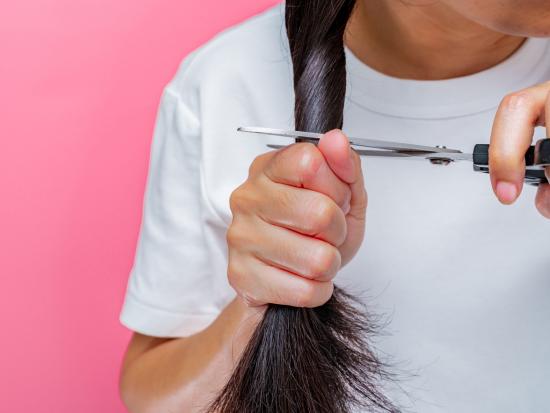
When the haircut finally took place, it represented more than a physical transformation. It symbolized generosity, empathy, and a willingness to contribute to something meaningful beyond personal change.
The hair she had grown over many years was no longer just a personal feature. It became a resource that could be transformed into something beneficial for others.
Acts of kindness often do not require large or complex efforts. Sometimes, simple decisions can create meaningful effects that extend far beyond the moment they occur.
Rosa’s haircut demonstrates how a single personal choice can create a chain of positive outcomes. Her donation became part of a process that helps children regain confidence.
For children receiving wigs made from donated hair, the impact can be significant. It may help them feel more comfortable in school, social environments, and daily activities.
Restoring a sense of normal appearance can reduce feelings of isolation. It allows children to focus more on their lives rather than the challenges they are facing medically.
For those who donate, the experience can also be meaningful. Knowing that a personal decision contributes to someone else’s well-being often brings emotional fulfillment and purpose.
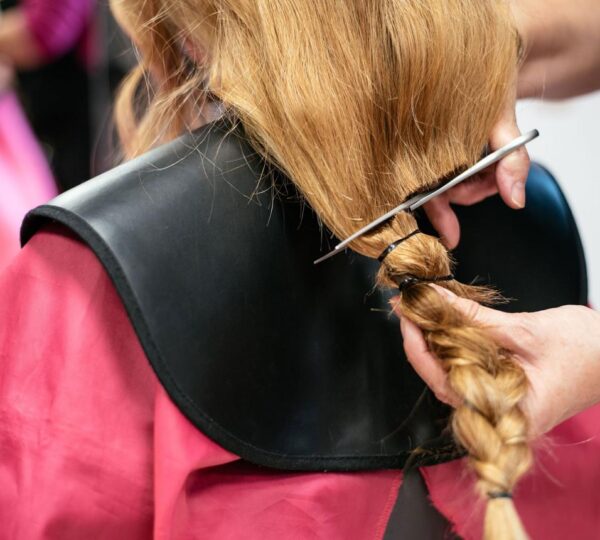
Rosa’s story highlights this connection between personal transformation and generosity. A simple haircut became a bridge between self-change and helping others in a practical way.
Hair often holds symbolic meaning in many cultures. It is associated with identity, expression, and personal style, making changes to it feel significant for many individuals.
Long hairstyles, in particular, are often connected with familiarity and routine. Maintaining the same style for years can create a sense of stability and personal consistency.
When individuals choose to change their long-standing appearance, the experience can feel both emotional and liberating. It often represents transition, renewal, or a new beginning in life.
For Rosa, the decision marked a shift in perspective. It was not only about appearance but also about embracing change while contributing to a meaningful cause.
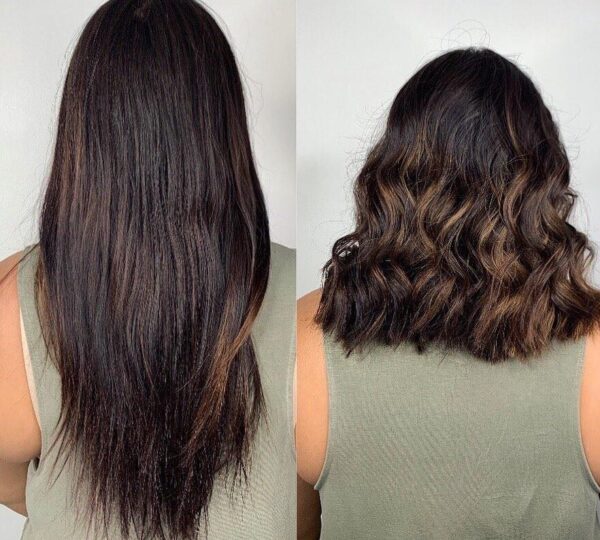
Following her haircut, her appearance changed noticeably. The shorter hairstyle created a fresh look that reflected a new stage in her personal journey.
Beyond physical change, many people experience emotional shifts after altering long-held aspects of their appearance. It can bring feelings of renewal and lightness.
In Rosa’s case, the transformation was both personal and meaningful. It combined self-renewal with a charitable contribution that extended beyond her individual experience.
Beauty standards have also evolved over time. Long hair has historically been associated with traditional ideas of femininity, but modern perspectives are more diverse and flexible.
Today, people choose hairstyles based on personal preference, lifestyle, and comfort rather than strict cultural expectations. Individual expression plays a stronger role than tradition.
Rosa’s decision reflects this modern understanding of personal choice. Her haircut demonstrates that beauty and identity are not limited to one specific style or expectation.
By donating her hair, she transformed a personal style change into an act that carried emotional and social significance beyond appearance alone.
Stories like Rosa’s also help raise awareness about hair donation programs. Many people are not fully aware that their hair can be used to help others in meaningful ways.
Hair donation relies on individuals willing to contribute a portion of their personal appearance to support wig-making programs for children facing medical challenges.
Each donation provides valuable material that helps create natural-looking wigs. These wigs support children emotionally and socially during difficult health-related experiences.
As awareness increases, more individuals may consider participating in such programs. Simple actions like hair donation can collectively create a significant positive impact.
Rosa Ramirez’s experience serves as an example of how personal decisions can connect to larger acts of kindness. Her story demonstrates the value of empathy and generosity.
It shows that meaningful change does not always require large actions. Sometimes, everyday choices can carry deeper impact when guided by compassion and awareness.
Her decision to donate her hair turned a routine personal change into something that may benefit others for a long time. It reflects the quiet power of giving.
In the end, Rosa’s story stands as a reminder that kindness can take many forms. Even small personal sacrifices can become meaningful contributions to the lives of others.
