
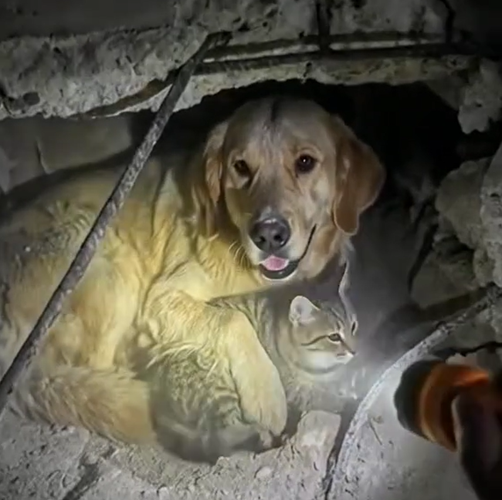
In many natural disasters around the world, stories often emerge that highlight the emotional and instinctive bonds between animals, especially when they are placed in extreme and unpredictable situations such as earthquakes.
One such widely shared type of narrative describes a peaceful village where animals live together in a calm environment before being suddenly affected by a powerful earthquake that changes everything within moments.
In this imagined scenario, a small home once filled with quiet warmth and safety becomes the center of a dramatic natural event that disrupts the lives of its animal inhabitants without warning or preparation.
Before the disaster begins, the environment is calm and familiar, with soft light entering the room and animals resting peacefully in their usual places, unaware of any approaching danger.
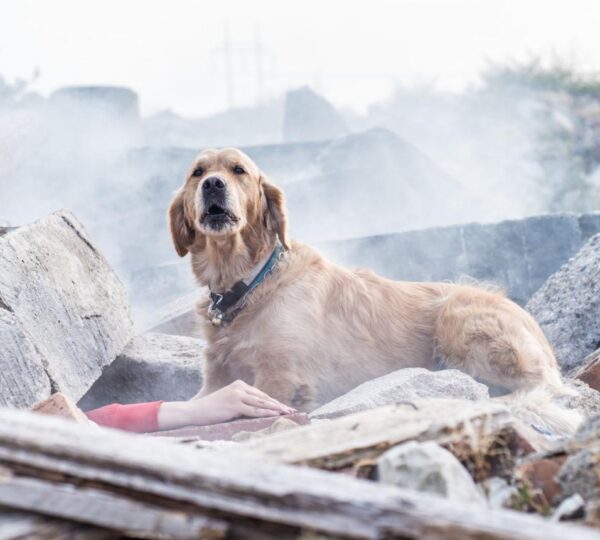
The sudden earthquake begins without notice, shaking the ground violently and causing the structure of the home to move in ways that create immediate confusion and distress.
Objects inside the room shift rapidly, and the stability of the environment is lost as walls, furniture, and household items begin to collapse under the force of the tremor.
In moments like these, animals rely heavily on instinct rather than understanding, reacting to movement, sound, and vibration as the safest guide for survival.
As the shaking intensifies, the structure of the home begins to break apart, creating dangerous conditions where visibility is reduced and movement becomes difficult for any living being inside.
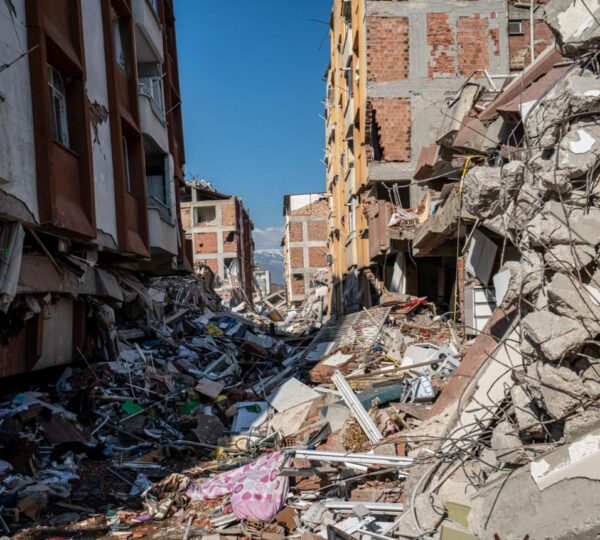
When the earthquake finally stops, the environment has changed completely, leaving behind debris, dust, and a silent space where a home once stood intact and secure.
In this narrative, one small animal finds itself trapped beneath fallen materials, unable to move freely and surrounded by the remains of what was once a safe indoor environment.
The surrounding silence after the earthquake can feel overwhelming, as dust settles slowly and the absence of movement creates a sense of isolation and uncertainty.
Despite the difficulty of the situation, animals in distress often remain alert, responding to faint sounds, vibrations, or familiar scents that may indicate the presence of another living being nearby.
In this type of story, a second animal, often described as a dog, enters the scene through instinctive behavior, guided not by understanding of disaster but by emotional attachment and familiarity.
The dog’s presence in such narratives is often portrayed as calm and steady, offering a sense of reassurance through proximity rather than actions that suggest human-like understanding.
By staying close to the injured animal, the dog provides comfort through physical presence, which can reduce stress and fear in situations where communication is not possible.
Animals in real-life disaster situations are known to rely heavily on companionship, especially when they have previously formed social bonds within domestic environments.
The injured animal, unable to escape the debris easily, may respond to the presence of its companion by remaining still and conserving energy while waiting for external help.
Over time, the environment beneath the rubble becomes colder and quieter, with only faint external sounds occasionally reaching the trapped space where survival depends on patience and resilience.
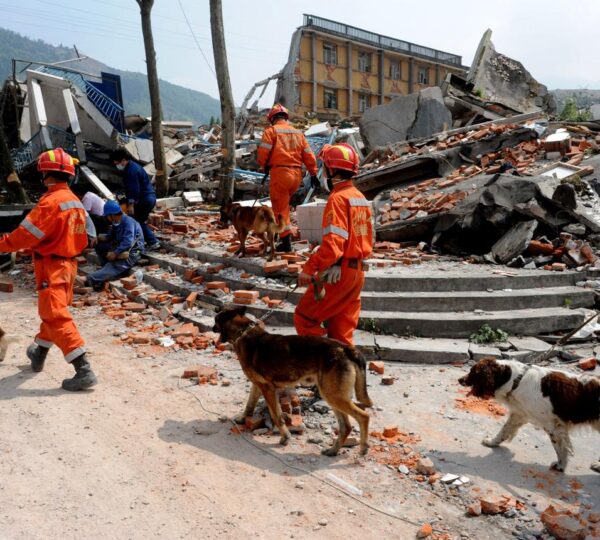
In many rescue scenarios, trained emergency teams search carefully through damaged areas, removing debris step by step in order to locate any surviving animals or humans.
Rescue operations after earthquakes often require patience, precision, and coordination, as unstable structures can pose additional risks to both survivors and rescuers.
As rescuers approach, animals may respond to unfamiliar sounds and movement, sometimes becoming more alert as they recognize changes in their surroundings.
The gradual removal of debris allows light to return to previously dark spaces, signaling progress in rescue efforts and increasing the chances of safe recovery.
When rescue teams finally reach trapped animals, they often provide immediate medical attention, focusing first on visible injuries and signs of distress before safely transporting them to secure care facilities.

Veterinary professionals in shelters play a crucial role in stabilizing injured animals, offering treatment for wounds, dehydration, and stress-related conditions caused by traumatic events.
In this type of narrative, both animals are typically taken to a shelter where they can recover in a controlled and safe environment away from further danger.
Shelters provide warmth, food, and medical attention, helping animals regain strength while also monitoring their emotional and physical recovery over time.
During recovery, animals that have experienced trauma often benefit from continued companionship, especially if they were already bonded before the disaster occurred.
The presence of a familiar animal can reduce anxiety, encourage eating, and support a smoother healing process both physically and emotionally.
As days pass in such stories, gradual improvement becomes visible, with injured animals slowly regaining mobility, strength, and confidence under proper care.
Caregivers and shelter staff often observe these changes closely, documenting progress and ensuring that both medical and emotional needs are being met consistently.

Visitors to shelters sometimes find these recovery stories deeply moving, as they highlight resilience, connection, and the importance of companionship during difficult circumstances.
In many cases, such narratives spread widely online because they reflect universal themes of loyalty, survival, and emotional support between animals.
However, it is important to understand that stories shared online about specific events involving animals in disasters are often simplified or dramatized for emotional impact.
Responsible storytelling requires careful distinction between verified reports and symbolic or inspirational narratives that are designed to highlight behavior rather than document a specific real incident.
In the broader context of animal behavior, it is well recognized that dogs and cats can form strong social bonds when raised together in domestic environments.
These bonds can influence how they react during stressful situations, often leading them to stay close to one another when faced with unfamiliar or threatening conditions.
Such behavior is rooted in instinct, familiarity, and emotional conditioning rather than conscious understanding of complex events like earthquakes.
As recovery continues in these narratives, animals gradually return to normal behavior patterns, showing signs of comfort, trust, and reduced stress as their environment stabilizes.
Their rehabilitation process often includes rest, nutrition, gentle interaction, and consistent monitoring to ensure long-term recovery after trauma.
Over time, the emotional bond between companion animals can remain strong, especially when they have experienced shared survival situations.
This connection is often observed as a form of mutual reassurance, where each animal provides comfort simply by being present with the other.
In conclusion, stories like this are often used to illustrate the emotional depth and resilience of animals during disasters, highlighting how companionship can provide comfort in extreme circumstances.
They remind readers of the importance of care, protection, and empathy toward animals, especially in situations where natural disasters disrupt normal life.
While such narratives may be inspired by real behaviors seen in animals, they should always be understood in a general and illustrative context unless confirmed by verified reports.
Ultimately, the idea of a loyal dog staying beside an injured cat reflects a broader truth about companionship in nature, where connection and presence can provide strength during moments of fear and uncertainty.

