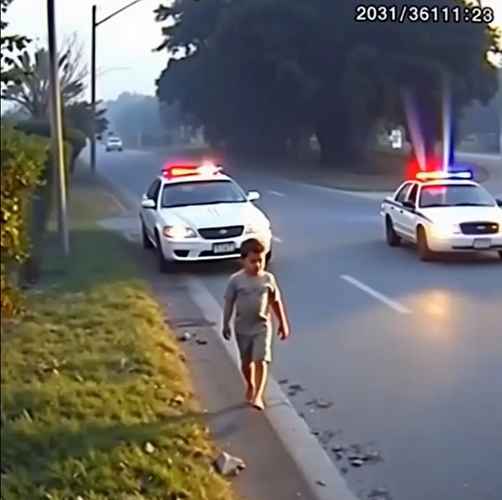
Authorities responded to a concerning situation involving a young boy named Ethan, who was later identified after being found alone near a busy roadway.
The discovery immediately raised concern among emergency responders. The child was taken to a local station for safety and evaluation, where officers ensured he was warm, calm, and protected while efforts began to identify his family or legal guardians.
Shortly after his photo was shared through official channels for identification purposes, a relative arrived at the station. His aunt, visibly emotional, confirmed his identity and expressed immediate relief upon seeing him safe.
Her reaction reflected both shock and deep concern, as she had reportedly been searching for Ethan for some time. She explained that she had been worried about his well-being prior to the incident.

According to the aunt’s account, Ethan had been living in a home environment that was unstable and difficult. She described ongoing concerns about neglect and lack of consistent care within the household.
She stated that both of Ethan’s parents were struggling with serious personal challenges, which significantly affected their ability to provide a structured and safe environment for their child.
The aunt explained that she had made several attempts in recent months to gain custody or formal guardianship of Ethan. However, these efforts were still in progress at the time of the incident.
She expressed that communication with the parents had been inconsistent, and there were ongoing disagreements regarding Ethan’s care. These challenges made intervention more complicated for family members.
Authorities later reviewed the situation carefully, taking into account the aunt’s statements, the child’s condition, and the circumstances in which he was found near the roadway.
Ethan’s presence alone in such a dangerous area raised immediate safety concerns among officers. Standard procedures were followed to ensure his protection and begin a welfare investigation.

During the initial assessment, officers observed that the child appeared exhausted, frightened, and in need of care. They provided food, water, and a safe environment while the situation was reviewed.
Medical professionals were also contacted to evaluate Ethan’s physical condition. This step was taken as part of standard safeguarding procedures in cases involving vulnerable minors.
As more information was gathered, the situation became clearer to those involved. The priority remained ensuring Ethan’s immediate safety while determining a long-term care solution.
The aunt continued to speak with authorities, providing details about her concerns over the child’s living conditions. She described a pattern of instability and lack of supervision at home.
She further explained that there were periods when Ethan’s parents were not consistently present, which contributed to concerns about his daily safety and overall well-being.
Officials carefully documented these statements as part of the ongoing review process. Child protection services were also involved to ensure proper evaluation of the situation.
Ethan’s condition suggested that he had been exposed to significant stress and neglect over time. Authorities treated the case with urgency due to the seriousness of the circumstances.
While specific details of the home environment were still under investigation, professionals emphasized the importance of prioritizing the child’s immediate safety and stability.
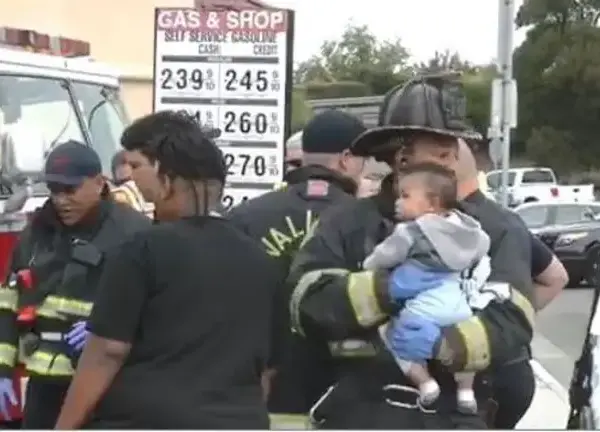
After evaluation, it was determined that placing Ethan with a trusted family member would be the most appropriate short-term solution while legal processes continued.
The aunt agreed to take responsibility for his care and expressed her commitment to providing a stable and supportive home environment moving forward.
Officials worked to complete the necessary legal steps to ensure the arrangement complied with child welfare regulations and provided Ethan with long-term protection.
The process involved coordination between local authorities, child welfare agencies, and family representatives to ensure all decisions were made in the child’s best interest.
Back at the station, officers reflected on the emotional nature of the case. Many described the situation as deeply impactful due to the child’s age and vulnerability.
The officer who initially found Ethan was formally acknowledged for acting quickly and ensuring the child’s immediate safety before further harm could occur.
Such cases often highlight the importance of public awareness regarding child safety and the responsibility of communities to report potential signs of neglect.
In the days following the incident, local community members began responding with support for Ethan and his aunt. Contributions included clothing, toys, and essential household items.
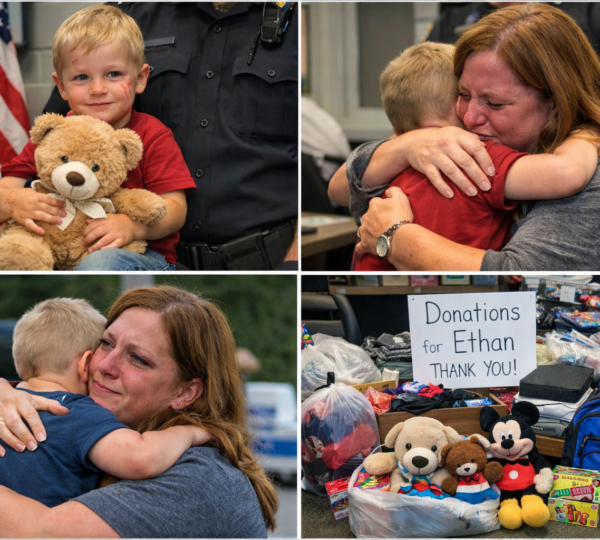
Community involvement played a significant role in helping the child transition into a more stable environment. Support networks often become crucial in such sensitive situations.
Local organizations also expressed interest in assisting the family, offering access to counseling services, childcare resources, and additional support programs where needed.
The case prompted renewed discussion among authorities about child welfare systems and how early warning signs can be identified more effectively in similar situations.
Professionals emphasized the importance of timely intervention when concerns about a child’s safety arise. Early reporting can significantly change outcomes in vulnerable cases.
Educational outreach programs were considered to help the public better understand how to recognize and report potential neglect or unsafe living conditions.
Ethan’s situation served as a reminder of the importance of coordinated efforts between families, authorities, and community services in protecting children at risk.
While his experience was deeply concerning, the response from authorities and family members aimed to ensure a safer and more stable future for him.
